
The CDPH is working with local health departments and federal partners to investigate an STEC O157:H7 outbreak linked to the consumption of beef kofta served at several California locations of The Kebab Shop restaurant chain. The Kebab Shop has voluntarily paused sales of grilled beef kofta at all locations. As of May 19, 2026, nine California residents have been infected with the outbreak strain of STEC O157:H7. Illness onset dates range from March 27 through April 30, 2026. Six illnesses are in children. Five individuals have been hospitalized, and two have developed HUS – acute kidney failure.
Sources, Characteristics, and Identification
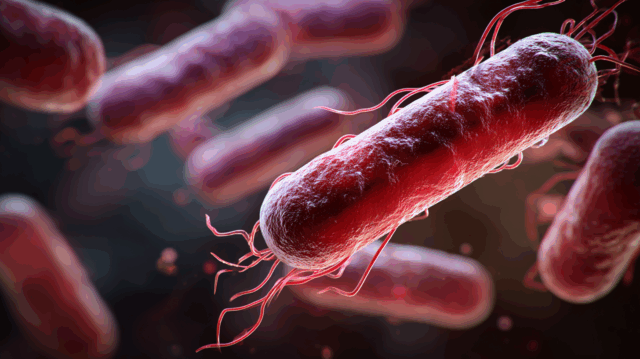
Escherichia coli (E. coli) is an archetypal commensal bacterial species that lives in mammalian intestines. E. coliO157:H7 is one of thousands of serotypes E. coli.[1] The combination of letters and numbers in the name of E. coliO157:H7 refers to the specific antigens (proteins which provoke an antibody response) found on the body, as well as on the tail, or flagellum,[2] and distinguish it from other types of E. coli.[3] Most serotypes of E. coli are harmless and live as normal flora in the intestines of healthy humans and animals.[4]
The E. coli bacterium is among the most extensively studied microorganisms.[5] The testing to distinguish E. coli O157:H7 from its other E. coli counterparts is called serotyping.[6] Pulsed-field gel electrophoresis (PFGE),[7]sometimes also referred to as genetic fingerprinting, is used to compare E. coli O157:H7 isolates to one another to determine if the strains are distinguishable.[8] A technique called multilocus variable number of tandem repeats analysis (MLVA) is used to determine precise classification when it is difficult to differentiate between isolates with indistinguishable or very similar PFGE patterns.[9]
E. coli O157:H7 was first recognized as a pathogen in 1982 during an investigation into an outbreak of hemorrhagic colitis[10] associated with consumption of hamburgers from a fast food chain restaurant.[11] Retrospective examination of more than three thousand E. coli cultures obtained between 1973 and 1982 found only one (1) isolationwith serotype O157:H7, and that was a case in 1975.[12] In the ten (10) years that followed there were approximately thirty (30) outbreaks recorded in the United States.[13] This number is likely misleading, however, because E. coliO157:H7 infections did not become a reportable disease in any state until 1987, when Washington became the first state to mandate its reporting to public health authorities.[14] As a result, only the most geographically concentrated outbreak would have garnered enough notice to prompt further investigation.[15]
E. coli O157:H7’s ability to induce injury in humans is a result of its ability to produce numerous virulence factors—most notably, Shiga-like toxins (SLT).[16] Shiga toxin (Stx) has multiple variants (e.g. Stx1, Stx2, Stx2c), and acts like the plant toxin ricin by inhibiting protein synthesis in endothelial and other cells.[17] Shiga toxin is one of the most potent toxins known.[18] In addition to Shiga toxins, E. coli O157:H7 produces numerous other putative virulence factors including proteins, which aid in the attachment and colonization of the bacteria in the intestinal wall and that can lyse red blood cells to liberate iron that helps support E. coli metabolism.[19]
E. coli O157:H7 evolved from enteropathogenic E. coli serotype O55:H7, a cause of non-bloody diarrhea, through the sequential acquisition of phage-encoded Stx2, a large virulence plasmid, and additional chromosomal mutations.[20]The rate of genetic mutation of E. coli O157:H7 indicates that the common ancestor of current E. coli O157:H7 clades[21] likely existed some 20,000 years ago.[22] E. coli O157:H7 is a relentlessly evolving organism[23], constantly mutating and acquiring new characteristics, including virulence factors that make the emergence of more dangerous variants a constant threat.[24] The CDC has emphasized the prospect of emerging pathogens as a significant public health threat for some time.[25]
Although foods of a bovine origin are the most common cause of both outbreaks and sporadic cases of E. coliO157:H7 infections,[26] outbreak of illnesses have been linked to a wide variety of food items. For example, produce has, since 1991, been the source of substantial numbers of outbreak-related E. coli O157:H7 infections.[27] Other unusual vehicles for E. coli O157:H7 outbreaks have included unpasteurized juices, yogurt, dried salami, mayonnaise, raw milk, game meats, sprouts, and raw cookie dough.[28]
According to updated CDC estimates, an estimated 97,000 illnesses are caused by domestically acquired E. coliO157:H7 each year in the United States.[29] It is estimated that STEC O157 infections result in approximately 3,270 hospitalizations and 30 deaths annually in the United States (CDC, Technical Information on E. coli).[30] The colitis caused by E. coli O157:H7 is characterized by severe abdominal cramps, diarrhea that typically turns bloody within twenty-four hours, and sometimes fevers.[31] The incubation period—which is to say the time from exposure to the onset of symptoms—in outbreaks is usually reported as three to four days, but may be as short as one day or as long as ten days.[32] Infection can occur in people of all ages but is most common in children.[33] The duration of an uncomplicated illness can range from one to twelve days.[34] Although the rate of death is 0-2 percent in reported outbreaks, in outbreaks that involve the elderly, like those that have occurred in nursing homes, the rate of death can run as high as 16-35%.[35]
What makes E. coli O157:H7 remarkably dangerous is its very low infectious dose,[36] and how relatively difficult it is to kill the bacteria.[37] Unlike Salmonella, for example, which usually requires something approximating an “egregious food handling error, E. coli O157:H7 in ground beef that is only slightly undercooked can result in infection,”[38] as few as twenty organisms may be sufficient to infect a person and, as a result, possibly kill them.[39] And unlike generic E. coli, the O157:H7 serotype multiplies at temperatures up to 44°F, survives freezing and thawing, is heat resistant, grows at temperatures up to 111°F, resists drying, and can survive exposure to acidic environments.[40] And, finally, to make it even more of a threat, E. coli O157:H7 bacteria are easily transmitted by person-to-person contact.[41]There is also the serious risk of cross-contamination between raw meat and other food items intended to be eaten without cooking. Indeed, a principle and consistent criticism of the USDA E. coli O157:H7 policy is the fact that it has failed to focus on the risks of cross-contamination versus that posed by so-called improper cooking.[42] With this pathogen, there is ultimately no margin of error. It is for this precise reason that the USDA has repeatedly rejected calls from the meat industry to hold consumers primarily responsible for E. coli O157:H7 infections caused, in part, by mistakes in food handling or cooking.[43]
Hemolytic Uremic Syndrome (HUS)
E. coli O157:H7 infections can lead to a severe, life-threatening complication called hemolytic uremic syndrome (“HUS”).[44] HUS accounts for the majority of the acute and chronic illness and death caused by E coli bacteria.[45]HUS occurs in 2-7% of victims who are primarily children, with onset occurring five to ten days after diarrhea begins.[46] HUS is the most common cause of renal failure in children.[47] Approximately half of the children who suffer HUS require dialysis, and at least 5% of those who survive have long-term renal impairment.[48] The same number suffers severe brain damage.[49] While somewhat rare, serious injury to the pancreas, resulting in death or the development of diabetes, can also occur.[50] There is no cure or effective treatment for HUS.[51] And, tragically, children with HUS too often die.[52]
HUS is believed to develop when SLT from the bacteria enters circulation in the body through the inflamed bowel wall.[53] SLT, and most likely other chemical mediators, attach to receptors on the inside surface of blood vessel cells (endothelial cells) and initiate a chemical cascade that results in the formation of tiny thrombi (blood clots) within these vessels.[54] Some organs seem more susceptible, perhaps due to the presence of increased numbers of receptors, and include the kidney, pancreas, and brain.[55] By definition, when fully expressed, HUS presents with the triad of hemolytic anemia (destruction of red blood cells), thrombocytopenia (low platelet count), and renal failure (loss of kidney function).[56]
As already noted, there is no known therapy to halt the progression of HUS. HUS is a frightening complication that even in the best American medical centers has a notable mortality rate.[57] Among survivors, at least five percent will suffer end stage renal disease (ESRD) with the resultant need for dialysis or transplantation.[58] But “[b]ecause renal failure can progress slowly over decades, the eventual incidence of ESRD cannot yet be determined.”[59] Other long-term problems include the risk for hypertension, proteinuria (abnormal amounts of protein in the urine that can portend a decline in renal function), and reduced kidney filtration rate.[60] Since the longest available follow-up studies of HUS victims are twenty-five years, an accurate lifetime prognosis is not really available and remains controversial.[61] All that can be said for certain is that HUS causes permanent injury, including loss of kidney function, and it requires a lifetime of close medical monitoring.
The Pathophysiology of Acute Hemolytic Uremic Syndrome
Post-diarrheal hemolytic uremic syndrome (D+HUS) is a severe, life-threatening complication that occurs in about 10 percent of those infected with E. coli O157:H7 or other Shiga toxin-producing (Stx) E. coli (STEC).
The cascade of events leading to HUS begins with ingestion of Stx-producing E. coli (e.g., E. coli O157: H7) in contaminated food, beverages, animal to person, or person-to-person transmission. The bacteria rapidly multiply in the gut, causing inflammation and diarrhea (colitis) as they tightly bind to cells that line the large intestine. This snug attachment becomes a route for the toxin to travel from the gut into the bloodstream, where it attaches to weak receptors on white blood cells (WBCs). From there, WBCs carry the toxin to the kidneys and other organs.
To induce toxicity in target cells, Shiga toxins must first bind to specific receptors on their surface (Gb3 receptors). Organ injury is primarily a function of Gb3 receptor location and density. They are found on epithelial, endothelial, mesangial, and glomerular cells of the kidney, as well as microvascular endothelial cells of the brain and intestine. Because this attachment causes these organs to be susceptible to the toxicity of Shiga toxins, this distribution explains the involvement of the gut, kidney, and brain in STEC-associated hemolytic uremic syndrome (HUS).[62]
Within the target organ, Shiga toxins disrupt the cellular machinery, resulting in cell injury and/or death. Within the intestine, infectious bacterial lesions cause derangements in the intestinal lining, disrupting the structure of the villi, affecting absorption in the gut, and eventually leading to watery diarrhea. Damage to the intestinal endothelium also causes mucosal/submucosal edema and, hemorrhage, introducing blood into the diarrhea.
Within the circulatory system, Shiga toxins are directly involved in platelet activation and aggregation (clot formation). The thrombotic microangiopathy that characterizes hemolytic uremic syndrome (HUS) occurs when platelet microthrombi (tiny clots) form in the walls of small blood vessels (arterioles and capillaries) causing platelet consumption. This pathologic reduction in platelets is called thrombocytopenia and is one of the hallmarks of HUS.[63]Within the microvasculature of the kidney these clots disturb blood flow to the organ, causing acute kidney injury and kidney failure.
How hemolytic uremic syndrome (HUS) causes permanent kidney damage
The kidney is the main target organ in STEC-mediated HUS. The nephron is the functional unit of the kidney. Each kidney contains approximately 1.2 million nephrons. At the heart of each nephron is a microscopic bundle of blood vessels called the glomerulus. The glomerulus represents the initial location of the renal filtration of blood.[64] Blood enters the glomerulus through the afferent arteriole at the vascular pole, undergoes filtration in the glomerular capillaries, and exits the glomerulus through the efferent arteriole at the vascular pole.
Bowman’s capsule surrounds the glomerular capillary loops and participates in the filtration of blood from the glomerular capillaries. Bowman’s capsule also has a structural function and creates a urinary space through which filtrate can enter the nephron and pass to the proximal convoluted tubule. Liquid and solutes of the blood must pass through multiple layers to move from the glomerular capillaries into Bowman’s space to ultimately become filtrate within the nephron’s lumen. This ends the first stage in the production of urine.
In the rare event that the results of renal biopsies are known, microthrombi have been identified in the glomerular capillaries, resulting in extensive endothelial damage and, frequently, death of the nephron.[65] Severe cases develop acute cortical necrosis affecting most cells in the renal cortex. Damage to tubular cells results in electrolyte disturbances, acidosis and decreased urine production.
As seen in other kidney diseases, in STEC-HUS patients the progression to CKD is the consequence of renal mass reduction due to the loss of nephrons during the acute stage. Hyperfiltration,[66] or abnormally elevated glomerular filtration rate (GFR), followed by significant and persistent albuminuria is the first marker of glomerular hypertension; however, it could appear several years later, especially in patients who have had a mild disease not requiring dialysis.[67]This is analogous to running a car 24 hours a day—it would be taxing on the vehicle, wearing it out faster. In the kidneys, it can lead to early nephron cell death.
Loss of the filtration units of the kidney—the nephrons—is permanent. Once a filter is gone, it is gone forever. When a lot of filters are gone, the remaining ones work harder because there are fewer of them. If enough filters are lost, the remaining filters experience “hyperfiltration,” which leads to enlargement, and over time, scarring, which in turn leads to the loss of more filters.
Studies have shown a correlation between an increased number of days of anuria (lack of urination) or oliguria (decreased urination) and worse prognosis.[68] Patients who have been anuric/oliguric and required dialysis are at the highest risk for late complications; however, even those who were not dialyzed are not spared. Research has consistently shown that these patients commonly progress to chronic kidney disease within 5 years.
Acute Kidney Injury (AKI) is the term that has recently replaced the term ARF. AKI is defined as an abrupt (within hours) decrease in kidney function, which encompasses both injury (structural damage) and impairment (loss of function).[69] There are usually no symptoms until kidney function is at least moderately to severely impaired. When present, signs and symptoms of serious kidney injury reflect reduced filter function leading to buildup of toxic wastes, and may include high blood pressure, protein in the urine, swelling of the lower extremities, loss of appetite, nausea/vomiting, sleepiness, confusion, and difficulty thinking. It is easy to get a rough estimate of kidney filter function by looking at the level of waste products, especially creatinine in the blood over time. There are also formulas to estimate filter function using the creatinine value. The key is whether filter function changes over time. Since one of the primary functions of the kidneys is to regulate blood pressure, the development of hypertension after HUS also signals serious kidney injury and is considered a bad prognostic sign. So too is proteinuria—the passage of protein molecules in the urine—which is a sign that the glomeruli have been damaged, and the remaining filters are hyperfiltrating—i.e., they are being overworked due to the loss of filtering capacity related to nephron loss.
If enough filters are lost either due to injuries suffered during the acute HUS illness, or later in life due to the process of hyperfiltration, a patient will reach end stage renal disease (“ESRD”). ESRD, truly a worst-case scenario for someone who has survived the acute HUS illness, is a very painful process that can take decades to play out. The demands on the kidneys increase through puberty and, for women, especially during pregnancy, adding another variable to issues of future renal health for girls who have suffered severe HUS.
Long-term consequences of hemolytic uremic syndrome (HUS)
Multiple studies have demonstrated that children with HUS who have apparently recovered will develop hypertension, urinary abnormalities and/or renal insufficiency during long-term follow-up. One of the best predictors is the duration of anuria and/or oliguria.
Milford, et al, (J Pediatrics, 1991) studied the importance of proteinuria at one year following the acute episode of HUS in 40 children. They found that a poor prognosis defined as hypertension, decreased renal function or end stage renal disease was strongly associated with proteinuria at the one year follow up.
Perlstein et al, (Arch Dis Child, 1991) reported results of oral protein loading in 17 children with a history of HUS; they demonstrated that functional renal reserve was reduced in children with a history of HUS who had normal renal function and normal blood pressure as compared to normal children. This study suggests that functional renal reserve in children with HUS is reduced although renal function and blood pressure are normal. The authors point out that the long-term significance of this finding is unknown and needs to be determined but the study suggests that functional renal reserve may be reduced despite normal recovery and that children with HUS need long term follow-up.
In the article by Gagnadouz, et al, (Clinical Nephrology, 1996) 29 children were evaluated 15-25 years after the acute phase of HUS. Only 10 of the 29 children were normal, 12 had hypertension, 3 had chronic renal failure and 4 had end stage renal disease (65.5%). Severe sequelae occurred in children with oligo/anuria for more than or equal to 7 days.
Other studies (Caletti, et al, Pediatric Nephrology, 1996) have demonstrated that histological finding of focal and segmental sclerosis and hyalinosis are observed several years following HUS. In that article, only 25% of the children had normal renal function during long-term follow-up.
Similarly, Moghal, et al. (Journal of Pediatrics, 1998) performed kidney biopsies in children with persistent proteinuria three to seven years following the acute episode of HUS. Global glomerulosclerosis was noted in six of the seven patients and two had segmental sclerosis as well. In addition, tubular atrophy and interstitial fibrosis was seen in all but one. Finally, the glomeruli in the children with HUS were significantly larger than those in normal children. These are finding that are typically found in individual with reduced nephron number and are consistent with changes of hyperperfusion and hyperfiltration is surviving nephrons. Hyperfiltration is a process that frequently leads to progressive renal damage and the development of end stage renal failure.
In 1997 Spizzirri, et al, (Pediatr Nephrol, 1997), reported that 69.2% of children with 11 or more days of anuria and 38.4% of children with 1-10 days of anuria had chronic sequelae. In addition, of patients with proteinuria at the 1-year follow-up, 86% had renal abnormalities at the end of the follow-up. The authors suggested that children with residual proteinuria with or without hypertension would probably develop progressive chronic renal failure.
In 2002, Blahova, et al, reported that long term follow-up of 18 children who had HUS 10 or more years previously, only 6 children were normal while the other 12 children had either residual renal symptoms, chronic renal insufficiency, or renal failure (66.6%). Many of the children with residual renal symptoms or chronic renal insufficiency/renal failure had appeared to have recovered normally at earlier checkups.
Lou-Meda, et al, reported that 14 patients with microabluminuria and no overt proteinuria at 6 to 18 months after the acute phase of HUS, on long term follow up three had a decreased glomerular filtration (GFR), one had overt proteinuria, and four had hypertension. Eight of the 14 patients had at least one sequelae for an incidence of 57.1%. Six children had overt proteinuria and at the most recent follow up, two had hypertension, four and a low renal function and two had continued proteinuria; four (66.6%) had at least one renal sequela.
Recently, Oakes, et al, determined the risk of later complications in children who had HUS several years earlier; they found that the incidence of late complications increased markedly in those with more than 5 days of anuria or 10 days of oliguria. Among children with greater than 10 days of oliguria 63.3% had a low glomerular filtration rate, 33.3% had hypertension and 88.7% had at least one long term complication.
In the manuscript by Vaterrodt, et. al, the investigators noted that in a retrospective single center study, clinical and laboratory data of the acute phase and 1-10 year follow up visits were analyzed. The authors conclude that although renal outcomes have improved over the investigated decades, patients with HUS still had a high risk of permanent renal damage and that these findings underline the importance of a consequent long-term follow-up in HUS patients.
In summary, many children who have recovered normal renal function following the acute episode of HUS have a high risk for the development of late complications from their acute episode of HUS. The risk is substantially lower in children who did not require dialysis and in children who were not oliguria or anuric while the risk is the highest in children who had oligo/anuria for more than 7 days. In one study, all children with oligo/anuria for 14 days had residual renal disease (100%).
As previously mentioned, some children who did not require dialysis had late complication of HUS. One third of the children in the study by Alconcher, et. al. (Pediat Neph, 2023 evolved into CKD after a median of 5 years. In addition, CKD appeared in some patients 15 years after the acute episode. In addition, these investigators reinforced that all non-dialyzed should be followed into adulthood.
It is important to note that the risks of long-term (more than 20 years) complications are unknown and are likely to be higher than risks at 10 years as many of the above studies describe.
Long-term side effects of hemolytic uremic syndrome (HUS)
Adolescents and young adults with chronic kidney disease face several complications from their chronic kidney disease (Andreoli SP, Acute and Chronic Renal Failure in Children, 2009) including alterations in calcium and phosphate balance and renal osteodystrophy (softening of the bones, weak bones and bone pain), anemia (low blood count and lack of energy), hypertension (high blood pressure) as well as other complications.
Renal osteodystrophy (softening of the bones) is an important complication of chronic renal failure. Bone disease is nearly universal in patients with chronic renal failure; in some patients’ symptoms are minor to absent while others may develop bone pain, skeletal deformities and slipped epiphyses (abnormal shaped bones and abnormal hip bones) and have a propensity for fractures with minor trauma. Treatment of the bone disease associated with chronic renal failure includes control of serum phosphorus and calcium levels with restriction of phosphorus in the diet, supplementation of calcium, the need to take phosphorus binders and the need to take medications for bone disease.
Anemia (low blood cell count that leads to a lack of energy) is a very common complication of chronic renal failure. The kidneys make a hormone that tells the bone marrow to make red blood cells, and this hormone is not produced in sufficient amounts in children with chronic renal failure. Thus, children with chronic renal failure gradually become anemic while their chronic renal failure is slowly progressing. The anemia of chronic renal failure is treated with human recombinant erythropoietin (a shot given under the skin one to three times a week or once every few weeks with a longer acting human recombinant erythropoietin).
Renal replacement therapy can be in the form of dialysis (peritoneal dialysis or hemodialysis) or renal transplantation. The average waiting time for a deceased donor kidney for children aged 0-17 years is approximately 275-300 days while the average waiting time for patient’s aged 18-44 years is approximately 700 days (United States Renal Data Systems, Table 7.8, 2005).
Following transplantation, a patient will need to take immunosuppressive medications for the remainder of his/her life to prevent rejection of the transplanted kidney. Medications used to prevent rejection have considerable side effects. Corticosteroids are commonly used following transplantation. The side effects of corticosteroids are Cushingnoid features (fat deposition around the cheeks and abdomen and back), weight gain, emotional liability, cataracts, decreased growth, osteomalacia and osteonecrosis (softening of the bones and bone pain), hypertension, acne and difficulty in controlling glucose levels.
Cyclosporine and/or tacrolimus are also commonly used as immunosuppressive medications following transplantation. Side effects of these drugs include hirsutism (increased hair growth), gum hypertrophy, interstitial fibrosis in the kidney (damage to the kidney), as well as other complications. Meclophenalate is also commonly used after transplantation (sometimes imuran is used); each of these drugs can cause a low white blood cell count and increased susceptibility to infection. Many other immunosuppressive medications and other medications (anti-hypertensive agents, anti-acids, etc.) are prescribed in the postoperative period.
Lifelong immunosuppression as used in patients with kidney transplants is associated with several complications including an increased susceptibility to infection, accelerated atherosclerosis (hardening of the arteries) and increased incidence of malignancy (cancer) and chronic rejection of the kidney.
A patient may need more than one kidney transplant during his/her life. United States Renal Data Systems (USRDS) report that the half-life (time at which 50% of the kidneys are still functioning and 50% have stopped functioning) is 10.5 years for a deceased transplant in children aged 0-17 years and 15.5 years for a living related transplant in children 0-17 years. Similar data for a transplant at age 18 to 44 years is 10.1 years and 16.0 years for a deceased donor and a living related donor, respectively. Thus, depending upon age when the patient receives his/her first transplant he/she may need 1-2 transplants. The life expectancy of a person with a kidney transplant is significantly less than the general population and the life expectancy of person on dialysis a markedly less than the general population.
If a child needs a second kidney transplant after loss of his/her first transplant, he/she will need dialysis until a subsequent transplant can be performed. He/She can be on peritoneal dialysis or on hemodialysis. Peritoneal dialysis has been a major modality of therapy for chronic renal failure for several years. Continuous Ambulatory Peritoneal Dialysis (CAPD) and automated peritoneal dialysis also called Continuous Cycling Peritoneal Dialysis (CCPD) are the most common form of dialysis therapy used in children with chronic renal failure. In this form of dialysis, a catheter is placed in the peritoneal cavity (area around the stomach); dialysate (fluid to clean the blood) is placed into the abdomen and changed 4 to 6 times a day. Parents and adolescents can perform CAPD/CCPD at home. Peritonitis (infection of the fluid) is major complication of peritoneal dialysis.
E. coli O157:H7 and other Shiga-toxin producing E. coli are very dangerous bacteria – especially to children. The acute phase – even for those who do not progress to hemolytic uremic syndrome (HUS) – can be a painful and frightening experience. For those who progress to HUS, the risk of death is real. HUS has a mortality rate of 3-5%. And, even if the child survives, it may well be left with chronic health problems for the remainder of his/her life.
Other Medical Complications
Reactive Arthritis
Formerly referred to as Reiter Syndrome, the term reactive arthritis refers to an inflammation of one or more joints, following an infection localized at a site distant from the affected joints. The predominant site of the infection is the gastrointestinal tract. And reactive arthritis can be post-infection, meaning that the infection may not be active when diagnosed. Several other bacteria, including Salmonella, can cause reactive arthritis.[70] And although the resulting joint pain and inflammation can resolve completely over time, permanent joint damage can occur.[71]
The symptoms of reactive arthritis include pain and swelling in the knees, ankles, feet, and heels. Less frequently, the upper extremities may be affected, including the wrists, elbows, and fingers. Tendonitis (inflammation of the tendons) or enthesitis (inflammation where tendons attach to the bone) can occur. Other symptoms may include prostatitis, cervicitis, urethritis (inflammation of the prostate gland, cervix, or urethra), conjunctivitis (inflammation of the membrane lining the eyelid), or uveitis (inflammation of the inner eye). Ulcers and skin rashes are less common. Symptoms can range from mild to severe and can occur anywhere from three days to six weeks after the antecedent infection and may involve one or more joints, though usually six or fewer. Although most cases recover within a few months, some continue to experience complications for years. Treatment focuses on relieving the symptoms.[72]
Irritable Bowel Syndrome
Irritable bowel syndrome (IBS) is a functional disorder of the gastrointestinal tract. The hallmark symptoms of IBS are abdominal pain and altered bowel habits, ranging from constipation to diarrhea, or alternating diarrhea and constipation. Abdominal pain is usually crampy in nature, but character and sites can vary. In some patients, the pain is relieved by defecation but, in others, defecation may worsen the pain. Additional symptoms may include bloating, straining at stools, and a sense of incomplete evacuation. The observation that the onset of IBS symptoms can be precipitated by gastrointestinal infection dates back to the 1950s. Mechanisms are not known but include changes in the microbiome, use of antibiotics to treat the infection, and an increase in enteroendocrine cells.
Another consequence of infective gastroenteritis is the disruption of normal gut flora. Studies on postinfectious IBS have provided etiological insights into the pathogenesis of IBS. It is well documented that following infective gastroenteritis, more than 10% of affected individuals go on to develop postinfectious IBS.[73] The risk of postinfectious IBS appears greater with bacterial gastroenteritis compared to viral gastroenteritis.
[1] E. coli bacteria were discovered in the human colon in 1885 by German bacteriologist Theodor Escherich. Feng, Peter, Stephen D. Weagant, Michael A. Grant, Enumeration of Escherichia coli and the Coliform Bacteria, in BACTERIOLOGICAL ANALYTICAL MANUAL (8th Ed. 2002), http://www.cfsan.fda.gov/~ebam/bam-4.html. Dr. Escherich also showed that certain strains of the bacteria were responsible for infant diarrhea and gastroenteritis, an important public health discovery. Id. Although the bacteria were initially called Bacterium coli, the name was later changed to Escherichia coli to honor its discoverer. Id.
[2] Not all E. coli are motile. For example, E. coli O157:H7 which lack flagella are thus E. coli O157:NM for non-motile.
[3] CDC, Escherichia coli O157:H7, General Information, Frequently Asked Questions: What is Escherichia coli O157:H7?, http://www.cdc.gov/ncidod/dbmd/diseaseinfo/escherichiacoli_g.htm.
[4] Marion Nestle, Safe Food: Bacteria, Biotechnology, and Bioterrorism, 40-41 (1st Pub. Ed. 2004).
[5] James M. Jay, MODERN FOOD MICROBIOLOGY at 21 (6th ed. 2000). (“This is clearly the most widely studied genus of all bacteria.”)
[6] Beth B. Bell, MD, MPH, et al. A Multistate Outbreak of Escherichia coli O157:H7-Associated Bloody Diarrhea and Hemolytic Uremic Syndrome from Hamburgers: The Washington Experience, 272 JAMA (No. 17) 1349, 1350 (Nov. 2, 1994) (describing the multiple step testing process used to confirm, during a 1993 outbreak, that the implicated bacteria were E. coli O157:H7).
[7] Jay, supra note 5, at 220-21 (describing in brief the PFGE testing process).
[8] Id. Through PFGE testing, isolates obtained from the stool cultures of probable outbreak cases can be compared to the genetic fingerprint of the outbreak strain, confirming that the person was in fact part of the outbreak. Bell, supra note 6, at 1351-52. Because PFGE testing soon proved to be such a powerful outbreak investigation tool, PulseNet, a national database of PFGE test results was created. Bala Swaminathan, et al. PulseNet: The Molecular Subtyping Network for Foodborne Bacterial Disease Surveillance, United States, 7 Emerging Infect. Dis. (No. 3) 382, 382-89 (May-June 2001) (recounting the history of PulseNet and its effectiveness in outbreak investigation).
[9] Konno T. et al. Application of a multilocus variable number of tandem repeats analysis to regional outbreak surveillance of Enterohemorrhagic Escherichia coli O157:H7 infections. Jpn J Infect Dis. 2011 Jan; 64(1): 63-5.
[10] “[A] type of gastroenteritis in which certain strains of the bacterium Escherichia coli (E. coli) infect the large intestine and produce a toxin that causes bloody diarrhea and other serious complications.” The Merck Manual of Medical Information, 2nd Home Ed. Online, http://www.merck.com/mmhe/sec09/ch122/ch122b.html.
[11] L. Riley, et al. Hemorrhagic Colitis Associated with a Rare Escherichia coli Serotype, 308 New. Eng. J. Med. 681, 684-85 (1983) (describing investigation of two outbreaks affecting at least 47 people in Oregon and Michigan both linked to apparently undercooked ground beef). Chinyu Su, MD & Lawrence J. Brandt, MD, Escherichia coli O157:H7 Infection in Humans, 123 Annals Intern. Med. (Issue 9), 698-707 (describing the epidemiology of the bacteria, including an account of its initial discovery).
[12] Riley, supra note 11 at 684. See also Patricia M. Griffin & Robert V. Tauxe, The Epidemiology of Infections Caused by Escherichia coliO157:H7, Other Enterohemorrhagic E. coli, and the Associated Hemolytic Uremic Syndrome, 13 Epidemiologic Reviews 60, 73 (1991).
[13] Peter Feng, Escherichia coli Serotype O157:H7: Novel Vehicles of Infection and Emergence of Phenotypic Variants, 1 Emerging Infect. Dis. (No. 2), 47, 47 (April-June 1995) (noting that, despite these earlier outbreaks, the bacteria did not receive any considerable attention until ten years later when an outbreak occurred 1993 that involved four deaths and over 700 persons infected).
[14] William E. Keene, et al. A Swimming-Associated Outbreak of Hemorrhagic Colitis Caused by Escherichia coli O157:H7 and Shigella Sonnei, 331 New Eng. J. Med. 579 (Sept. 1, 1994). See also Stephen M. Ostroff, MD, John M. Kobayashi, MD, MPH, and Jay H. Lewis, Infections with Escherichia coli O157:H7 in Washington State: The First Year of Statewide Disease Surveillance, 262 JAMA (No. 3) 355, 355 (July 21, 1989). (“It was anticipated the reporting requirement would stimulate practitioners and laboratories to screen for the organism.”)
[15] See Keene, supra note 14 at 583. (“With cases scattered over four counties, the outbreak would probably have gone unnoticed had the cases not been routinely reported to public health agencies and investigated by them.”) With improved surveillance, mandatory reporting in 48 states, and the broad recognition by public health officials that E. coli O157:H7 was an important and threatening pathogen, there were a total of 350 reported outbreaks from 1982-2002. Josef M. Rangel, et al. Epidemiology of Escherichia coli O157:H7 Outbreaks, United States, 1982-2002, 11 Emerging Infect. Dis. (No. 4) 603, 604 (April 2005).
[16] Griffin & Tauxe supra note 12, at 61-62 (noting that the nomenclature came about because of the resemblance to toxins produced by Shigella dysenteries).
[17] Sanding K, Pathways followed by ricin and Shiga toxin into cells, Histochemistry and Cell Biology, vol. 117, no. 2:131-141 (2002). Endothelial cells line the interior surface of blood vessels. They are known to be extremely sensitive to E. coli O157:H7, which is cytotoxigenic to these cells making them a primary target during STEC infections.
[18] Johannes L, Shiga toxins—from cell biology to biomedical applications. Nat Rev Microbiol 8, 105-116 (February 2010). Suh JK, et al. Shiga Toxin Attacks Bacterial Ribosomes as Effectively as Eucaryotic Ribosomes, Biochemistry, 37 (26); 9394–9398 (1998).
[19] Welinder-Olsson C, Kaijser B. Enterohemorrhagic Escherichia coli (EHEC). Scand J. Infect Dis. 37(6-7): 405-16 (2005). See alsoUSDA Food Safety Research Information Office E. coli O157:H7 Technical Fact Sheet: Role of 60-Megadalton Plasmid (p0157) and Potential Virulence Factors, http://fsrio.nal.usda.gov/document_fsheet.php?product_id=225.
[20] Kaper JB and Karmali MA. The Continuing Evolution of a Bacterial Pathogen. PNAS vol. 105 no. 12 4535-4536 (March 2008). Wick LM, et al. Evolution of genomic content in the stepwise emergence of Escherichia coli O157:H7. J Bacteriol 187:1783–1791(2005).
[21] A group of biological taxa (as species) that includes all descendants of one common ancestor.
[22] Zhang W, et al. Probing genomic diversity and evolution of Escherichia coli O157 by single nucleotide polymorphisms. Genome Res 16:757–767 (2006).
[23] Robins-Browne RM. The relentless evolution of pathogenic Escherichia coli. Clin Infec Dis. 41:793–794 (2005).
[24] Manning SD, et al. Variation in virulence among clades of Escherichia coli O157:H7 associated with disease outbreaks. PNAS vol. 105 no. 12 4868-4873 (2008). (“These results support the hypothesis that the clade 8 lineage has recently acquired novel factors that contribute to enhanced virulence. Evolutionary changes in the clade 8 subpopulation could explain its emergence in several recent foodborne outbreaks; however, it is not clear why this virulent subpopulation is increasing in prevalence.”)
[25] Robert A. Tauxe, Emerging Foodborne Diseases: An Evolving Public Health Challenge, 3 Emerging Infect. Dis. (No. 4) 425, 427 (Oct.-Dec. 1997). (“After 15 years of research, we know a great deal about infections with E. coli O157:H7, but we still do not know how best to treat the infection, nor how the cattle (the principal source of infection for humans) themselves become infected.”)
[26] CDC, Multistate Outbreak of Escherichia coli O157:H7 Infections Associated With Eating Ground Beef—United States, June-July 2002, 51 MMWR 637, 638 (2002) reprinted in 288 JAMA (No. 6) 690 (Aug. 14, 2002).
[27] Rangel, supra note 15, at 605.
[28] Feng, supra note 13, at 49. See also USDA Bad Bug Book, Escherichia coli O157:H7, http://www.fda.gov/food/foodsafety/foodborneillness/foodborneillnessfoodbornepathogensnaturaltoxins/badbugbook/ucm071284.htm.
[29] Scallan E, et al. Foodborne illness acquired in the United States –major pathogens, Emerging Infect. Dis. Jan. (2011), http://www.cdc.gov/EID/content/17/1/7.htm. Note: CDC has since updated its estimates. Current figures (2024) report 97,000 illnesses, 3,270 hospitalizations, and 30 deaths annually from STEC O157. See CDC, Technical Information on E. coli, https://www.cdc.gov/ecoli/php/technical-info/index.html.
[30] Id., Table 3.
[31] Griffin & Tauxe supra note 12, at 63.
[32] Centers for Disease Control, Division of Foodborne, Bacterial and Mycotic Diseases, Escherichia coli general information, http://www.cdc.gov/nczved/dfbmd/disease_listing/stec_gi.html. See also PROCEDURES TO INVESTIGATE FOODBORNE ILLNESS, 107 (IAFP 5th Ed. 1999) (identifying incubation period for E. coli O157:H7 as “1 to 10 days, typically 2 to 5”).
[33] Su & Brandt, supra note 11 (“the young are most often affected”).
[34] Tauxe, supra note 25, at 1152.
[35] Id.
[36] Griffin & Tauxe supra note 12, at 72. (“The general patterns of transmission in these outbreaks suggest that the infectious dose is low.”)
[37] V.K. Juneja, O.P. Snyder, A.C. Williams, and B.S. Marmer, Thermal Destruction of Escherichia coli O157:H7 in Hamburger, 60 J. Food Prot. (vol. 10). 1163-1166 (1997) (demonstrating that, if hamburger does not get to 130°F, there is no bacterial destruction, and at 140°F, there is only a 2-log reduction of E. coli present).
[38] Griffin & Tauxe supra note 12, at 72 (noting that, as a result, “fewer bacteria are needed to cause illness that for outbreaks of salmonellosis”). Nestle, supra note 4, at 41. (“Foods containing E. coli O17:H7 must be at temperatures high enough to kill all of them.”) (italics in original)
[39] Patricia M. Griffin, et al. Large Outbreak of Escherichia coli O157:H7 Infections in the Western United States: The Big Picture, in RECENT ADVANCES IN VEROCYTOTOXIN-PRODUCING ESCHERICHIA COLI INFECTIONS, at 7 (M.A. Karmali & A. G. Goglio eds. 1994). (“The most probable number of E. coli O157:H7 was less than 20 organisms per gram.”) There is some inconsistency with regard to the reported infectious dose. Compare Chryssa V. Deliganis, Death by Apple Juice: The Problem of Foodborne Illness, the Regulatory Response, and Further Suggestions for Reform, 53 Food Drug L.J. 681, 683 (1998) (“as few as ten”) with Nestle, supra note 4, at 41 (“less than 50”). Regardless of these inconsistencies, everyone agrees that the infectious dose is, as Dr. Nestle has put it, “a miniscule number in bacterial terms.” Id.
[40] Nestle, supra note 4, at 41.
[41] Griffin & Tauxe supra note 12, at 72. The apparent “ease of person-to-person transmission…is reminiscent of Shigella, an organism that can be transmitted by exposure to extremely few organisms.” Id. As a result, outbreaks in places like daycare centers have proven relatively common. Rangel, supra note 15, at 605-06 (finding that 80% of the 50 reported person-to-person outbreak from 1982-2002 occurred in daycare centers).
[42] See, e.g. National Academy of Science, Escherichia coli O157:H7 in Ground Beef: Review of a Draft Risk Assessment, Executive Summary, at 7 (noting that the lack of data concerning the impact of cross-contamination of E. coli O157:H7 during food preparation was a flaw in the Agency’s risk-assessment), http://www.nap.edu/books/0309086272/html/.
[43] Kriefall v. Excel, 265 Wis.2d 476, 506, 665 N.W.2d 417, 433 (2003). (“Given the realities of what it saw as consumers’ food-handling patterns, the [USDA] bored in on the only effective way to reduce or eliminate food-borne illness”—i.e., making sure that “the pathogen had not been present on the raw product in the first place.”) (Citing Pathogen Reduction, 61 Fed. Reg. at 38966).
[44] Griffin & Tauxe, supra note 10, at 65-68. See also Josefa M. Rangel, et al., Epidemiology of Escherichia coli O157:H7 Outbreaks, United States, 1982-2002, 11 Emerging Infect. Dis. (No. 4) 603 (April 2005) (noting that HUS is characterized by the diagnostic triad of hemolytic anemia—destruction of red blood cells, thrombocytopenia—low platelet count, and renal injury—destruction of nephrons often leading to kidney failure); Richard L. Siegler, MD, The Hemolytic Uremic Syndrome, 42 Ped. Nephrology, 1505 (Dec. 1995) (noting that the diagnostic triad of hemolytic anemia, thrombocytopenia, and acute renal failure was first described in 1955).
[45] Siegler, supra note 35 at 1505. (“[HUS] is now recognized as the most frequent cause of acute renal failure in infants and young children.”) See also Beth P. Bell, MD, MPH, et al., Predictors of Hemolytic Uremic Syndrome in Children During a Large Outbreak of Escherichia coli O157:H7 Infections, 100 Pediatrics 1, 1 (July 1, 1997), at http://www.pediatrics.org/cgi/content/full/100/1/e12.
[46] Tauxe, supra note 17, at 1152. See also Nasia Safdar, MD, et al., Risk of Hemolytic Uremic Syndrome After Treatment of Escherichia coliO157:H7 Enteritis: A Meta-analysis, 288 JAMA (No. 8) 996, 996 (Aug. 28, 2002). (“E. coli serotype O157:H7 infection has been recognized as the most common cause of HUS in the United States, with 6% of patients developing HUS within 2 to 14 days of onset of diarrhea.”); Amit X. Garg, MD, MA, et al., Long-term Renal Prognosis of Diarrhea-Associated Hemolytic Uremic Syndrome: A Systematic Review, Meta-Analysis, and Meta-regression, 290 JAMA (No. 10) 1360, 1360 (Sept. 10, 2003). (“Ninety percent of childhood cases of HUS are…due to Shiga-toxin producing Escherichia coli.”)
[47] Su & Brandt, supra note 9.
[48] Safdar, supra note 37, at 996 (going on to conclude that administration of antibiotics to children with E. coli O157:H7 appeared to put them at higher risk for developing HUS).
[49] Richard L. Siegler, MD, Postdiarrheal Shiga Toxin-Mediated Hemolytic Uremic Syndrome, 290 JAMA (No. 10) 1379, 1379 (Sept. 10, 2003).
[50] Pierre Robitaille, et al., Pancreatic Injury in the Hemolytic Uremic Syndrome, 11 Pediatric Nephrology 631, 632 (1997) (“although mild pancreas involvement in the acute phase of HUS can be frequent”).
[51] Safdar, supra note 37, at 996; see also Siegler, supra note 35, at 1379. (“There are no treatments of proven value, and care during the acute phase of the illness, which is merely supportive, has not changed substantially during the past 30 years.”)
[52] Su & Brandt, supra note 9 (“the mortality rate is 5-10%”). See also Kriefall, 265 N.W.2d at 483 (“three-year old Brianna Kriefall died from food that everyone party to this appeal…recognize was cross-contaminated by E. coli O157:H7 bacteria from meat sold by Excel.”)
[53] Garg, supra note at 1360.
[54] Id. Siegler, supra note, at 1509-11 (describing what Dr. Siegler refers to as the “pathogenic cascade” that results in the progression from colitis to HUS).
[55] Garg, supra note at 1360. See also Su & Brandt, supra note 11, at 700.
[56] Garg, supra note, at 1360. See also Su & Brandt, supra note 11, at 700.
[57] Siegler, supra note, at 1519 (noting that in a “20-year Utah-based population study, 5% dies, and an equal number of survivors were left with end-stage renal disease (ESRD) or chronic brain damage.”)
[58] Garg, supra note at 1366-67.
[59] Siegler, supra note, at 1519.
[60] Id. at 1519-20. See also Garg, supra at 1366-67.
[61] Garg, supra note at 1368.
[62] Chan, Y.S., Ng, T.B. Shiga toxins: From structure and mechanism to applications. (2016). Appl Microbiol Biotechnol 100, 1597–1610. https://doi.org/10.1007/s00253-015-7236-3
[63] HUS is thrombotic microangiopathy characterized by the presence of a triad of symptoms: thrombocytopenia, acute renal impairment, and microangiopathic hemolytic anemia. Bhandari, J., & Sedhai, Y. R. Hemolytic uremic syndrome (HUS). (2020). State University of New York. https://www.researchgate.net/publication/341925697
[64] Falkson SR, Bordoni B. Anatomy, Abdomen and Pelvis, Bowman Capsule. In: StatPearls. StatPearls Publishing, Treasure Island (FL); 2022. PMID: 32119361. https://europepmc.org/article/NBK/nbk554474
[65] Renal biopsies are not routinely carried out as HUS diagnoses are usually clinically derived and patients are usually thrombocytopenic. Obrig, T. G., & Karpman, D. (2012). Shiga toxin pathogenesis: kidney complications and renal failure. Ricin and Shiga Toxins: Pathogenesis, Immunity, Vaccines and Therapeutics, 105-136. https://www.ncbi.nlm.nih.gov/pmc/articles/PMC3779650/
[66] Helal, I., Fick-Brosnahan, G. M., Reed-Gitomer, B., & Schrier, R. W. (2012). Glomerular hyperfiltration: definitions, mechanisms and clinical implications. Nature Reviews Nephrology, 8(5), 293-300.
[67] Alconcher, L. F., Lucarelli, L. I., & Bronfen, S. (2023). Long-term kidney outcomes in non-dialyzed children with Shiga-toxin Escherichia coli associated hemolytic uremic syndrome. Pediatric Nephrology, 38(7), 2131-2136. https://link.springer.com/article/10.1007/s00467-022-05851-4
[68] Pundzienė, B., Dobilienė, D., Čerkauskienė, R., Mitkienė, R., Medzevičienė, A., Darškuvienė, E., Jankauskienė, A. (2015). Long-term follow-up of children with typical hemolytic uremic syndrome. (2015). Medicina 51(3)146-151. https://doi.org/10.1016/j.medici.2015.06.004
[69] Makris, K., & Spanou, L. (2016). Acute Kidney Injury: Definition, Pathophysiology and Clinical Phenotypes. The Clinical biochemist. Reviews, 37(2), 85–98.
[70] See “Reactive Arthritis.” Questions and Answers About. N.p., n.d. Web. 12 Nov. 2015.
[71] Id.
[72] “Reactive Arthritis.” National Institute of Arthritis and Musculoskeletal and Skin Diseases, Oct. 2016. Available at: https://www.niams.nih.gov/health-topics/reactive-arthritis.
[73] Ng, Q. X., Soh, A., Loke, W., Lim, D. Y., & Yeo, W. S. (2018). The role of inflammation in irritable bowel syndrome (IBS). Journal of inflammation research, 11, 345–349. https://doi.org/10.2147/JIR.S174982