

(Alternate title: Jammin’ With The Cell Boys)
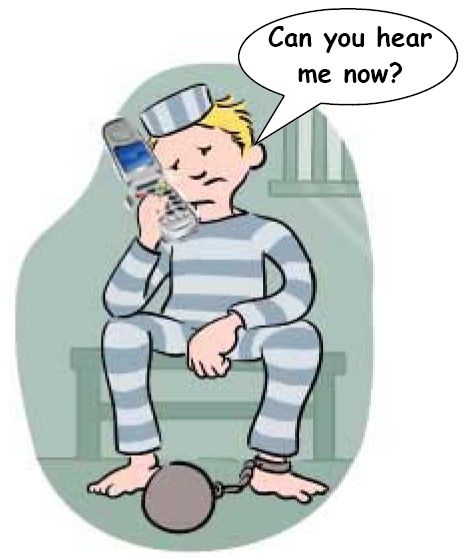 We have previously reported (here and here) on various aborted efforts of a company called CellAntenna to conduct tests of cell phone jamming technology around the country, including here in Washington, D.C. CellAntenna seems to have gotten the support of many state correctional officials to test its method of jamming cell phone calls made from prisons – that is, calls made on cellular phones, not calls from prison cells. Such calls are a continuing headache to the corrections communities, who would dearly love to jam them. The problem is that the jamming technology tends to interfere with spectrum licensed to cellular and PCS carriers who are gravely concerned that other legitimate cell phone calls in the vicinity of prisons will be interrupted. More broadly, the cellular community is worried that this jamming technology could spread like the swine flu to concert halls, schools, libraries, etc., resulting in general disruption of cell phone traffic over their networks. So they have vigorously opposed real world testing of the CellAntenna equipment, even when the FCC has been somewhat willing to accommodate the tests.
Now a company called Telcore Networks seems to have gotten all parties on board. On September 1 the FCC gave Telcore an experimental authorization to test its jamming technology at the Maryland State Correctional Facility in Jessup, Maryland. Telcore’s device apparently jams only the bad calls (those from prisoners) while letting the good, legitimate calls go through. Telcore worked with the prevailing cellular carriers in the vicinity to ensure that no interference to normal traffic would occur, and the carriers’ consent and cooperation with the test was no doubt key in getting FCC approval. It was not clear from publicly available material how the good will be separated from the bad (this side of Judgment Day, anyway), but the technology – if it works – may provide a means of dealing with a problem weighty enough to earn Congressional hand-wringing and proposed legislation. The frequencies on which the experiment are authorized include 824 -829 MHz, 869-894 MHz, 1850-1910 MHz, and 1930-1990 MHz. The test will be conducted on September 3, so interested parties expecting phone calls from prisoners in the Jessup facility on that day may be disappointed.