

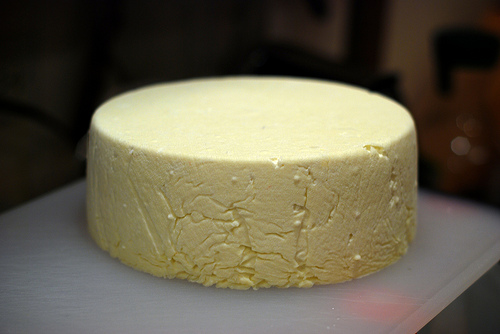
 The New Jersey Department of Health and Senior Services issued a warning today against consuming cheese products manufactured by El Ranchero Del Sur, LLC, of South River, New Jersey. The warning comes following the confirmed diagnosis of Listeria monocytogenes in a 38-week pregnant woman who was treated at a New Brunswick hospital. Her infection was investigated by the Middlesex County Health Department and samples of product were analyzed by NJDHSS Public Health Environmental and Agricultural labs, who confirmed the presence of Listeria monocytogenes in a sample of Los Corrales Queso Fresco Fresh Cheese and Banana Leaf code dated 03/16/12.
The product is manufactured by El Ranchero del Sur. The company has pledged to conduct a voluntary recall through the FDA and is contacting its customers to arrange for the retrieval of all of their cheese products. El Ranchero del Sur cheese products can be found primarily in Mexican and Latin American grocery stores, restaurants, and other hispanic food establishments under the name brands El Ranchero, Los Corrales, and Carnes Don Beto with the plant number 34-0013669 marked on the label. All products are 14 ounces in weight except for the Queso Hebra Oaxaca String Cheese ball in 10 pound packages.
This is not the first time listeria has been associated with queso fresco. According to Outbreak Database, in 1985, a massive outbreak of listeriosis caused 142 confirmed illnesses, including 28 deaths.
Adults can get listeriosis by eating food contaminated with Listeria, but babies can be born with listeriosis if their mothers eat contaminated food during pregnancy. The mode of transmission of Listeria to the fetus is either transplacental via the maternal blood stream or ascending from a colonized genital tract (Silver, 1998). Infections during pregnancy can cause premature delivery, miscarriage, stillbirth, or serious health problems for the newborn. Although healthy persons may consume contaminated foods without becoming ill, those at increased risk for infection can probably get listeriosis after eating food contaminated with even a few bacteria.