

With the federal government back in action, the FTC wasted no time continuing enforcement of its Made in USA standard this week. We have written from time to time about the strict standard for Made in the USA claims but apparently we (and the FTC) have yet to reach some people out there.
The FTC’s complaint was filed against E.K. Ekcessories, Inc. (EK), a Utah-based marketer of must-have products such as waterproof iPhone accessories, dog collars, leashes, lens cleaners, eyewear retainer, and bottle holders. The FTC complaint included an allegation that the company had provided means and instrumentalities to third-party retailers for the commission of deceptive acts or practices. (Essentially, as you’ll see below, that they provided third-party marketing materials to use that contained the allegedly deceptive claim.) The company advertised on its website that “for 28 years EK has been producing superior quality made accessories in our 60,000 sq. ft. facility in Logan, Utah” and “our source of pride and satisfaction abounds from a true ‘Made in the USA’ product,” along with the image below.
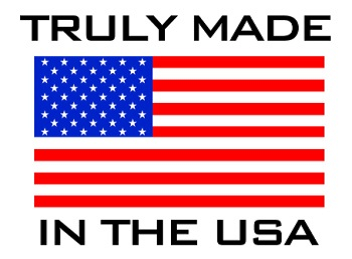
However, the company imports many of its products and components, which the FTC asserted made the advertisements false and misleading.
The consent order placed several obligations on EK. First, there is the standard requirement enjoining the company from representing that a product was made in the U.S. unless “all or virtually all [was] made in the United States.”
What makes this consent order particularly interesting is its treatment of third-party communications. The company must send a notice to its distributors notifying them of the order and its requirements and asking that they stop using EK’s marketing materials that described any product as Made in USA. Finally, the FTC ordered EK to request that the distributors place stickers included with the notice on any EK products to cover up U.S.-origin claims on the packaging materials.
It is somewhat unusual for the FTC to push for changes to the packaging of products that are already in the distribution chain, particularly when the claim at issue is fairly benign, probably not material to many consumers’ reasons for purchasing, and doesn’t raise issues relating to health or safety. So why is the requirement present here? The FTC already takes the view that as a general matter advertising and promotional materials must be in compliance with any order obligations as of the date the order becomes effective. So perhaps it is not such a stretch for the Commission to impose through an order provision an analogous requirement on product packaging. We will watch to see if this is an isolated incident or the start of a trend, and keep you in the loop, as well.
*Mark Goodrich is not yet admitted to practice law.