

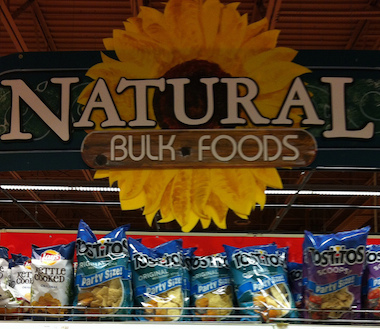
In a letter to three district court judges, the Food and Drug Administration refused to redefine “natural” foods as being able to include genetically modified organisms (GMOs) or not in response to several civil suits brought against companies who call their products natural.
The national debate about food labeling has been heating up since voters in Washington and California rejected propositions that would require all genetically engineered foods to be marked in their states. Since 2011, General Mills, Campbell Soups and Gruma have had civil suits filed against them for their labeling.
Even with the attention on labeling natural foods, this has not been the focus of the FDA, which stands by their 1993 policy that natural foods should not include anything synthetic or artificial, writes Leah Brndjar of Goldberg Segalla for the firm’s blog, Project Liability & Consumer Fraud Defense.
The FDA implied that though creating a formal definition may be something it considers doing in the future, it is not a priority, and in any event would require input from other agencies, the public, and of course, stakeholders in the food industry. Such a process is a timely endeavor and will not bring a change anytime soon. Accordingly, it appears that the influx of mislabeling lawsuits will not slow down, and may even gain speed. With no firm guidance from the FDA, plaintiffs will likely rely more on state consumer protection acts, resulting in different rulings depending on the jurisdiction. Ultimately, this will complicate a company’s ability to ensure that its labels are in compliance with all applicable rulings.
While the FDA sits back, customers, food manufactures and related associations are certainly making their opinions known.
According to USDA guidelines, GMOs are prohibited from organically certified products, and while the USDA keeps no data on organic food sales, reports from the industry have shown steady sales growth from 2004 to 2012.
General Mills recently announced that Cheerios will be GMO-free, which All About Advertising Law from Venable notes isn’t that farfetched because most of Cheerios’ ingredients don’t have a GMO alternative. John McDuling at Quartz called this a “marketing stunt,” but All About Adverting Law also mentions that due to current FDA guidelines, GMO-free claims are “likely false or misleading.”
The food industry is lobbying for any potential changes to the FDA definitions. The Grocery Manufacturers Association—whose members include Kraft, McDonalds, Pepsi and 300 other businesses—plans to petition the government organization to allow foods with GMO ingredients to be placed under the “natural” label, reported Food Safety News.
This may not be a mere petition but a bill instead, said Nathanael Johnson of Grist, even though “there’s no telling yet whether politicians have an appetite for this law.”
Without a modern and standardized definition of what a “natural” food is, it is unlikely that the debate—and lawsuits—will end. Only two states, Maine and Connecticut, passed labeling laws, but they cannot go into effect until other states pass similar legislation. Until then, it will be as Brndiar said, companies and consumers will be held to the myriad state consumers laws.