

Environmental groups continue their attack on long-standing rule provisions under the Clean Air Act that limit or exclude liability related to “startup, shutdown, and malfunction” events. Historically, USEPA has acknowledged that it may be impracticable, if not impossible, for industry to meet emissions standards during certain periods, including during startup, shutdown or malfunction events, when emissions are typically higher than during normal operation. However, in May 2015, in response to prior challenges, USEPA instructed 36 states to revise their implementation plans with regard to SSM events.
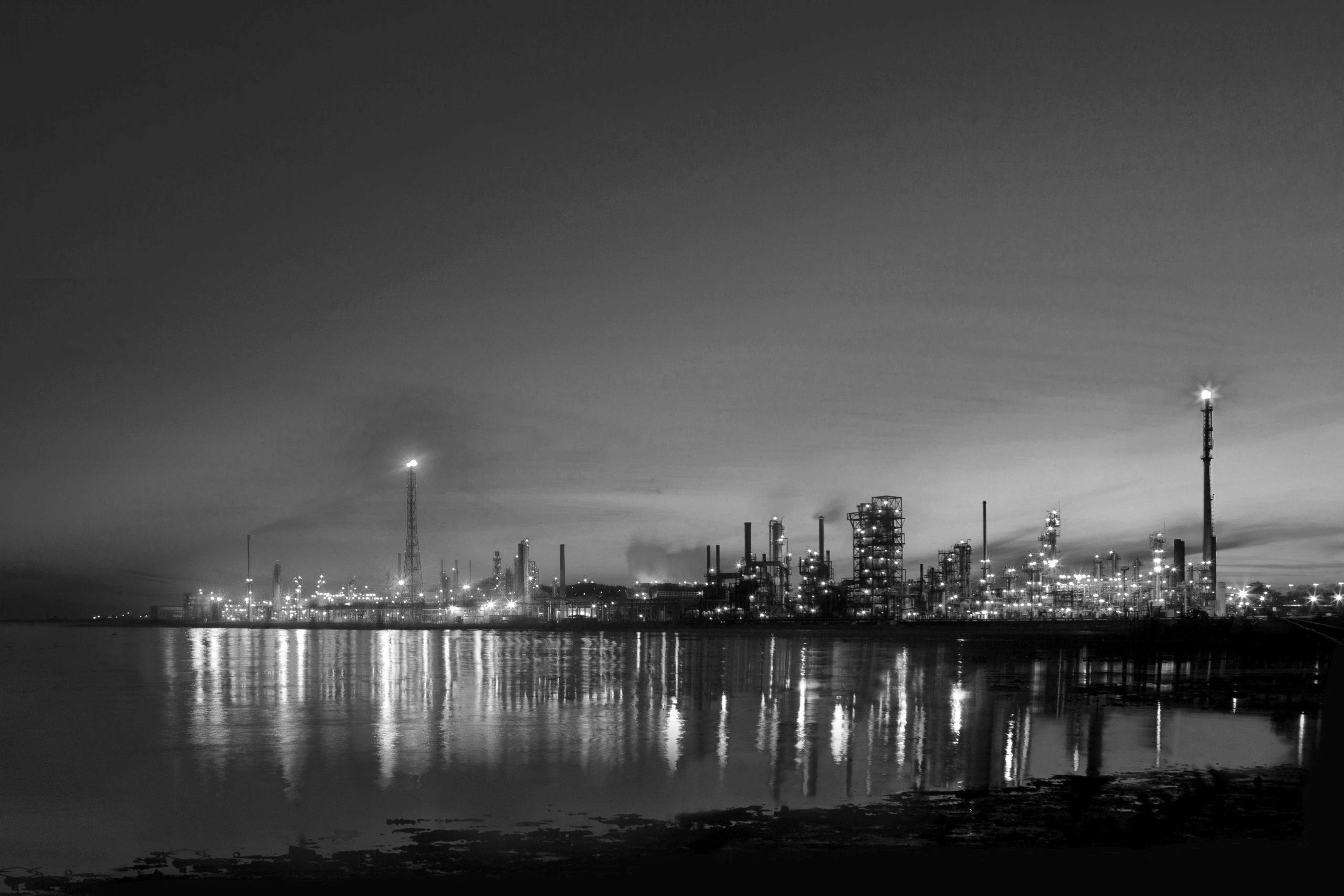
Last week, 11 environmental groups continued their attack by filing a petition seeking judicial review of USEPA’s recent rulemaking addressing emissions at petroleum refineries.[1] USEPA originally proposed to completely eliminate the longstanding exemption for malfunction-related emissions from petroleum refineries. However, in the final rule (published December 1, 2015), USEPA backed off of the absolute dissolution of the malfunction exemption, instead promulgating three limited malfunction exemptions. Specifically, the final rule requires that malfunction-related emissions be counted towards a source’s compliance with applicable emission standards except during any of the following:
- Up to two releases from each pressure relief device (PRD) during a three-year period;
- Up to two instances of visible emissions by each flare during a three-year period; OR
- Releases caused by force majeure events like natural disasters, terrorism, or loss of utility service.
In their petition for review, environmental groups argue that all three of these limited malfunction exemptions are unlawful. First, the groups contend that the exemptions for PRD releases and visible flaring are unlawful, based on two recent D.C. Circuit cases that struck down both USEPA’s original broad SSM exemption and affirmative defenses available in citizen suits for violations as a result of malfunctions.[2] Additionally, the groups claim that these exemptions may encourage refineries to install unnecessary PRDs and engage in excessive flaring. The groups argue that, together, these two narrow exemptions grant refineries “a free pass to pollute.”
Next, the environmental groups challenge the force majeure exemption. This exemption allows for emissions where certain events occur that are completely outside a refinery’s ability to control. They claim that the concept of force majeure does not exist in the context of federal environmental law. Force majeure, they argue, can only be used in voluntary contracts, not binding regulations. Further, the groups complain that the “[force majeure] exemption is so broad that it could swallow all of the standards themselves.”
The environmental groups’ challenges could have important impacts for the petroleum and other industries. The Schiff Hardin Environmental Group will continue to follow developments regarding these challenges.
[1] Air Alliance Houston, et al. v. USEPA, No. 16-1035 (D.C. Cir. filed Feb. 1, 2016).
[2] Sierra Club v. USEPA, 551 F.3d 1019 (D.C. Cir. 2008); Natural Resources Defense Council v. USEPA, 749 F.3d 1055 (D.C. Cir. 2014).