

Prospective advertisers come to your station and describe their ideas for local ads. A realtor’s ad ends with “There’s no place like home.” A boat builder says he will tell buyers, “You’re going to need a bigger boat.” And, a used car salesperson wants to say “I’m gonna make you an offer you can’t refuse.” These are pretty clever and, after all, they are everyday catchphrases, right?
Just don’t do it.
Advertising campaigns can be a source of legal liability for broadcasters when they merely allude to famous creative content that is protected under intellectual property laws. The recent decision in Lion’s Gate Entertainment, Inc. v. TD Ameritrade Services Company, Inc. demonstrates how broadcasters that publish ads containing pop culture references can run afoul of trademark rights and other legal issues.
Many lists of most famous movie quotes include “Nobody puts baby in the corner,” spoken by Patrick Swayze to Jennifer Grey in the Oscar-winning 1987 film, “Dirty Dancing.” The line precedes the final dance scene, culminating in the iconic image of Swayze lifting Grey above his head.
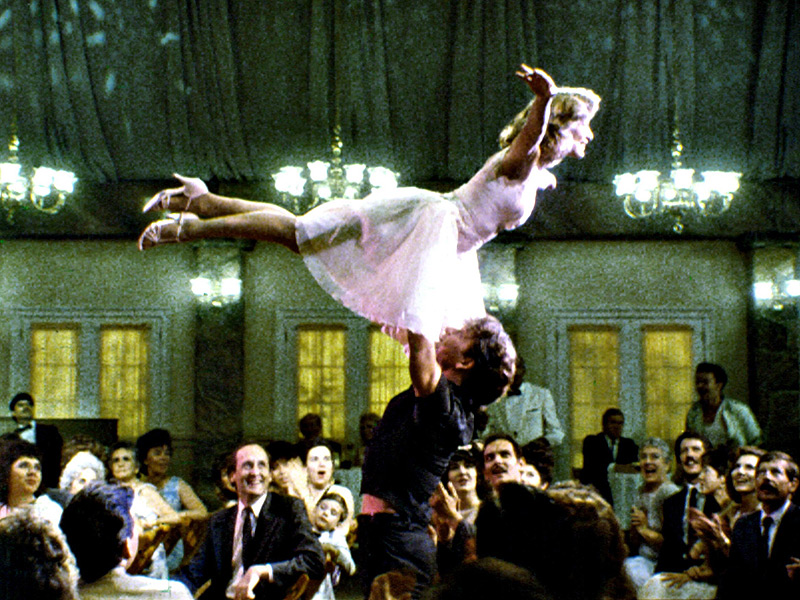
Almost thirty years after the film’s release, TD Ameritrade ran a national advertising campaign with the tagline “Nobody puts your old 401(k) in the corner.” The accompanying visual featured a man performing a dance lift with a piggy bank, sometimes to the score of “(I’ve Had) the Time of My Life.” Lion’s Gate Entertainment, the copyright holder of “Dirty Dancing” and the owner of the trademark NOBODY PUTS BABY IN THE CORNER®, which is registered for various types of merchandise (but not for entertainment or advertising services), sent a cease-and-desist letter to TD Ameritrade. Although TD Ameritrade agreed to stop running the ads, it refused to pay Lion’s Gate for its claimed damages for the alleged copyright and trademark infringement. When settlement discussions between the two parties fell through, Lion’s Gate sued TD Ameritrade and the advertising firm that created the campaign, Havas Worldwide New York.
Widely known phrases like “Nobody puts baby in the corner” can become so identified with particular providers of goods or services that they can function in the consumer’s mind as de facto trademarks. Even if the providers never register them, federal and state laws may recognize and protect them as “common law” marks. Advertising slogans, sports cheers and celebrity catchphrases have all been registered, licensed and litigated over the years, so it is unsurprising that Lion’s Gate would assert that it has a trademark interest in its iconic movie quote.
These kinds of claims are often brought by recognizable companies and public figures on the ground that consumers may interpret the use of their catchphrase as an endorsement of the alleged infringer’s goods or services. And, safeguarding goodwill and preventing consumer deception by keeping the marketplace clear of confusingly similar branding or ads is the whole point of trademark law.
Trademark infringement is just one of the many legal issues that arise when someone like TD Ameritrade attempts to drop pop cultural references in its products, services, or ads. For example, Clara Peller, the actress who boldly asked, “Where’s the beef?” was fired from Wendy’s for violating her non-compete agreement when she later answered, “I found it, I really found it. Boy, did I find it!” in a Prego’s spaghetti sauce ad. Other disputes involving popular phrases have been more traditional:
- After wrangling with the NFL and the New Orleans Saints regarding trademark rights over WHO DAT?®, Who Dat, Inc., the phrase’s registered trademark holder, triumphed and now aggressively protects its rights against unlicensed vendors appropriating the cheer for their wares.
- Michael Buffer says that he has earned more than $400 million from licensing and enforcing his rights over his trademarked catchphrase LET’S GET READY TO RUMBLE® – he is also a particularly aggressive trademark owner against advertisers, as well as against broadcasters who have used an audio clip of him in programming.
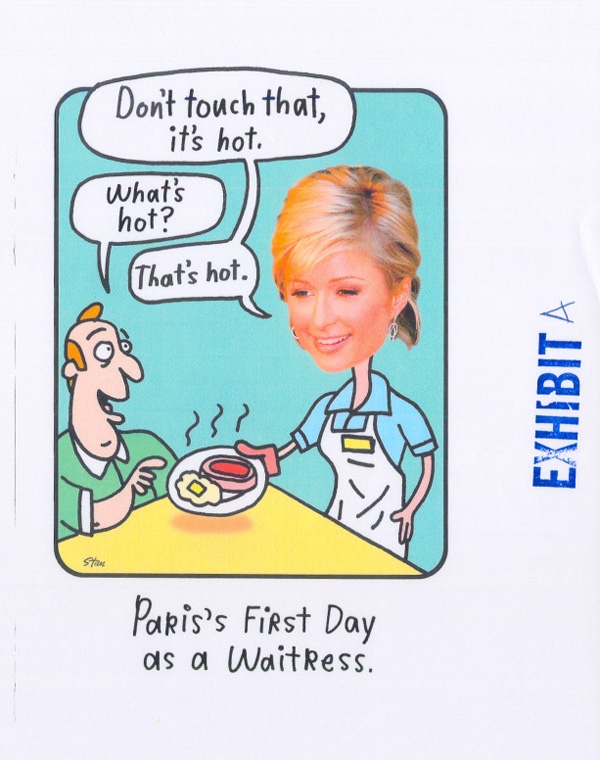
- When Hallmark used Paris Hilton’s image and registered THAT’S HOT® mark in a greeting card, they also received a cease-and-desist letter, alleging, among other things, a violation of Hilton’s right of publicity and trademark infringement. Hilton’s case was ultimately litigated all the way to the Ninth Circuit before it was eventually settled out-of-court.
In the “Dirty Dancing” case, Lion’s Gate’s trademark claims were dismissed because the Court of Appeals found them to be too similar to its copyright claims. However, the defendants’ woes are not yet over; TD Ameritrade and its ad agency must still contend with the ongoing copyright and unfair competition issues arising out of the same ad campaign. And, of course, even if they ultimately prevail on all the claims, they will have incurred substantial legal fees.
Broadcasters may have limited liability if they merely air someone’s advertising that infringes a trademark, but not if they assist their client in creating the advertisement. And, they are open to copyright infringement claims based on advertising that they carry. Problems of this nature can be avoided if the advertiser (or broadcaster) obtains a license from the trademark owner. Otherwise, broadcasters will be assuming an unnecessary risk, especially if they are at all involved in creating the advertising.
Ultimately, the Lion’s Gate decision serves as a reminder to carefully review any advertising or promotional materials (whether for broadcast or for social media feeds or websites) to make sure that they don’t incorporate popular phrases that may ultimately get you into legal hot water. Consulting your intellectual property counsel before investing significant resources into a public advertising campaign that can expose you to legal risk can actually save you time, money, and heartache in the long run.
If you don’t … may the Force be with you.