

Skip to content

Menu

LexBlog, Inc. logo
NetworkSub-MenuBrowse by SubjectBrowse by PublisherJoin the NetworkGet StartedSubscribeSupportContact
Search
Close

U.S.-Mexico-Canada Agreement (USMCA) Passes Senate

By Cortney Morgan, Julia Banegas & Camron Greer on January 16, 2020
Email this postTweet this postLike this postShare this post on LinkedIn

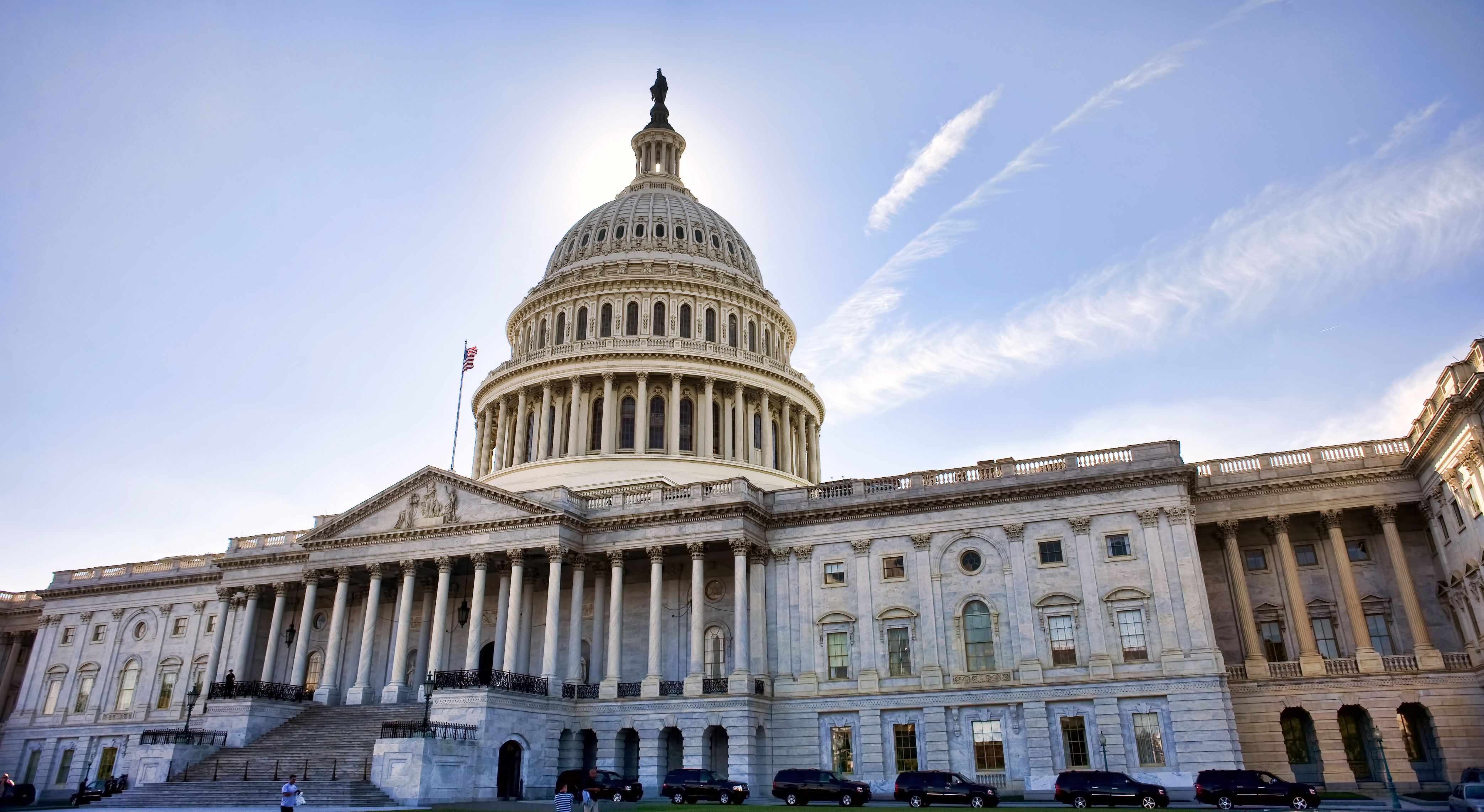
Today, the U.S.-Mexico-Canada Agreement (USMCA) passed the U.S. Senate by a vote of 89 to 10.  While some Senators expressed disapproval over the deal for various reasons, passage of the USMCA enjoyed a great deal of bipartisan support after Democrats in the House of Representatives negotiated for more labor enforcement mechanisms that earned the endorsement of the AFL-CIO.  Now that the USMCA has been approved by the Senate, it will be submitted to the President to be signed into public law and thereafter implemented through presidential proclamation. Mexico passed the deal in December, however, the deal will not take full effect until Canada passes the deal. The House of Commons is expected to hold a vote in the next few weeks.

While similar to the North American Free Trade Agreement (“NAFTA”) in many ways, the USMCA makes several key changes to NAFTA.  Among the changes are provisions for digital trade, allowing data to flow more freely across borders.  It also implements new local wage requirements and stricter local content requirements for the automotive sector, in addition to establishing a system to monitor workers’ conditions in Mexico.  Depending on the product in question, the USMCA rules of origin may or may not change from those currently applied under NAFTA.  For certain products, it is possible that the USMCA rules of origin could even provide for more flexibility than those under NAFTA.  As a result, U.S. importers should not assume that NAFTA-eligible products will remain eligible under the USMCA (or vice versa) and should evaluate the new rules of origin carefully for their products.

We continue to monitor the USMCA implementation process closely and will provide future updates as more information becomes available.  Should you have any questions regarding the USMCA or its implementation, please contact Husch Blackwell’s International Trade and Supply Chain team.

Photo of Cortney Morgan Cortney Morgan

An experienced attorney in the area of international trade and supply chain issues, Cortney advises foreign and domestic clients on all aspects of international trade regulation, planning and compliance, including import (customs), export controls, economic sanctions, embargoes, international trade agreements and preference programs.

Read more about Cortney MorganEmailCortney's Linkedin Profile
Photo of Julia Banegas Julia Banegas

Julia is an associate in the Washington, DC office of Husch Blackwell. She advises clients doing business in the heavily-regulated Government Contracts and International Trade sectors.

Email
Photo of Camron Greer Camron Greer

A trade analyst, Camron researches transitions in global trade policy and their impact on client business matters. Camron assists clients, attorneys and legal teams when trade, business and the law intersect.

Email
  • Posted in:
    Business and Commercial
  • Blog:
    International Trade Insights
  • Organization:
    Husch Blackwell LLP
  • Article: View Original Source

Call us at 1-800-913-0988 or email sales@lexblog.com.

Facebook LinkedIn Twitter RSS
The Library at LexBlog
  • About LexBlog
  • The Field We Built
  • Library at LexBlog
  • Our Beliefs
  • Our Team
  • Contact LexBlog
  • Disclaimer
  • Editorial Policy
  • Terms of Service
  • Get Started
  • Publishing Solutions
  • Compass
  • Submit a Request
  • Support Center
  • System Status
Copyright © 2026, LexBlog, Inc. All Rights Reserved.
Law blog design & platform by LexBlog LexBlog Logo