

Folks who experience homelessness and chronic illness, and those charged with or convicted of crimes, and children at risk, and asylum seekers, and any number of other groups of human beings treated as “less than” in our society– and those who work with them— have long known that we often fail at taking care of one another. Like, this is a pass-fail situation, and we get an F-.
Four years ago today, my friend and Habeas Project clinic client Josh Bishop was executed in a cynical, expensive, senseless charade. Killing him made no one safer or more whole. It was the culmination of a life treated as expendable since his birth. And it expanded the trauma of crimes from over two decades ago to all those who met and spent time with a man who, knowing love and support, made life funnier and more beautiful for those on death row and those beyond the prison walls.
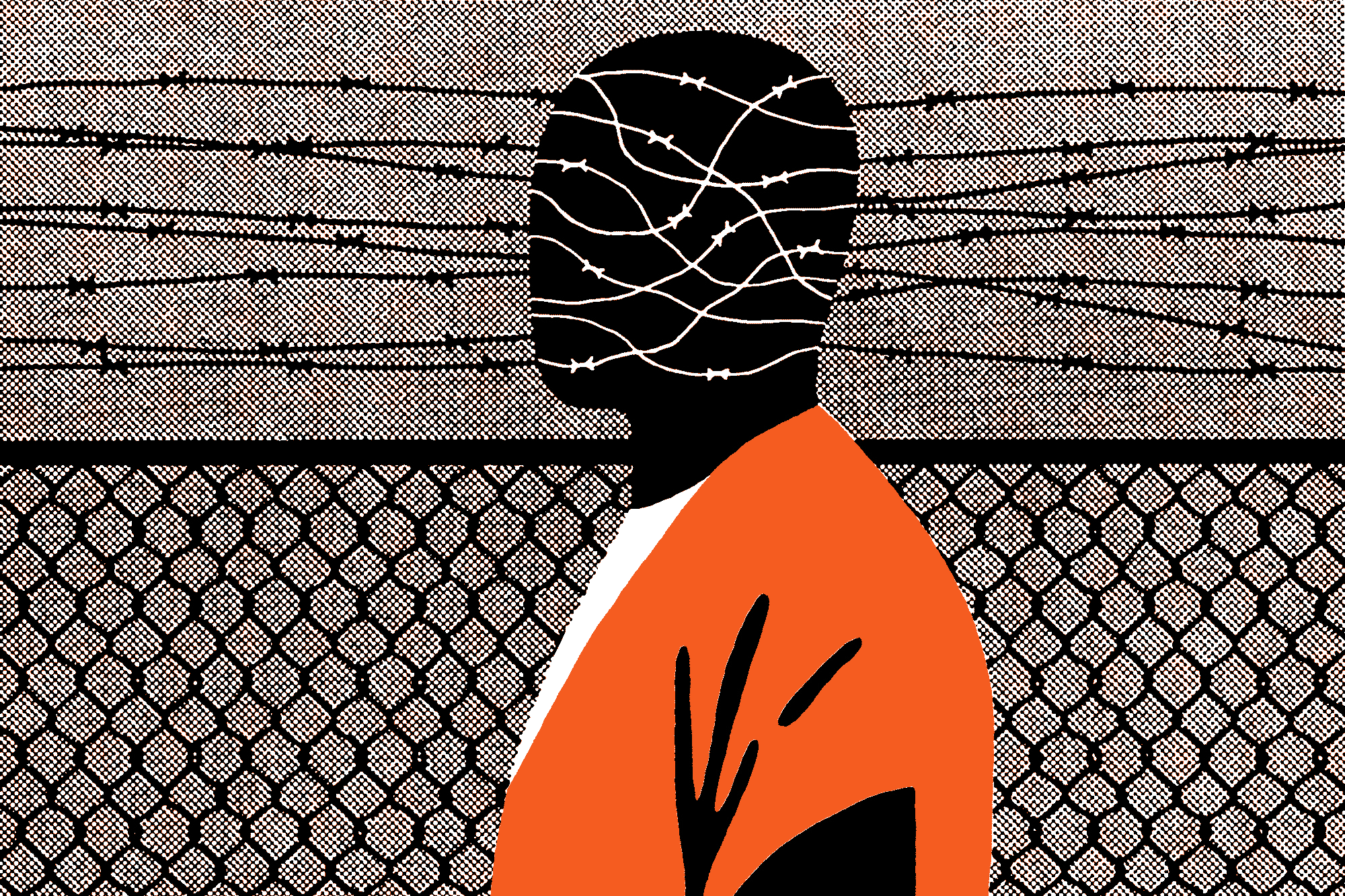
And despite the fact that I watched with my own eyes as the State of Georgia stole the life of a healthy, kind, remorseful man, I can still hardly believe it– or how a country that sets itself up as the model of human rights continues to execute its citizens.
I don’t think this pandemic is happening for a reason. The earth is not healing itself and it is not sending us a message to laugh and dance more. That’s bad theology; the world is not healing for the thousands dying alone on ventilators. Lives on the fringes have gotten measurably worse– including those children, like Josh, who are tortured at home and barely surviving on ketchup sandwiches.
But what human beings can do– at our best– is make meaning out of suffering, and one of the things I hope we can do is see with new eyes our failures. To acknowledge the cruelty at worst and indifference at best of our policies of cash bail, mass incarceration, capital punishment, and immigration detention, as well as the horror of our overwhelmed health care system.
No crime should be a capital crime, but with the pandemic sweeping through spaces (especially crowded ones), innocent people awaiting trial but who cannot make bail are facing the death penalty for their unproven charges. People serving time for nonviolent offenses will suffer capital punishment by neglect. As will children in cages at the border— innocents brought here by parents seeking a better life through the legal process of requesting asylum.
If you feel moved to protect your own family from covid-19, consider what it means for anyone to be incarcerated right now. If you remember the cruelty of the State killing a good man for the crimes of a throw-away child, consider the terror of capital punishment in any form. May we awaken in this time when life feels fragile and precious to the lives and needs of others.
We miss you, Josh, and we remember. You died for no reason, but may your story — and your life– help us see through our privileged windows darkly to a better time when we say “never again.”
— Professor Sarah Gerwig-Moore