

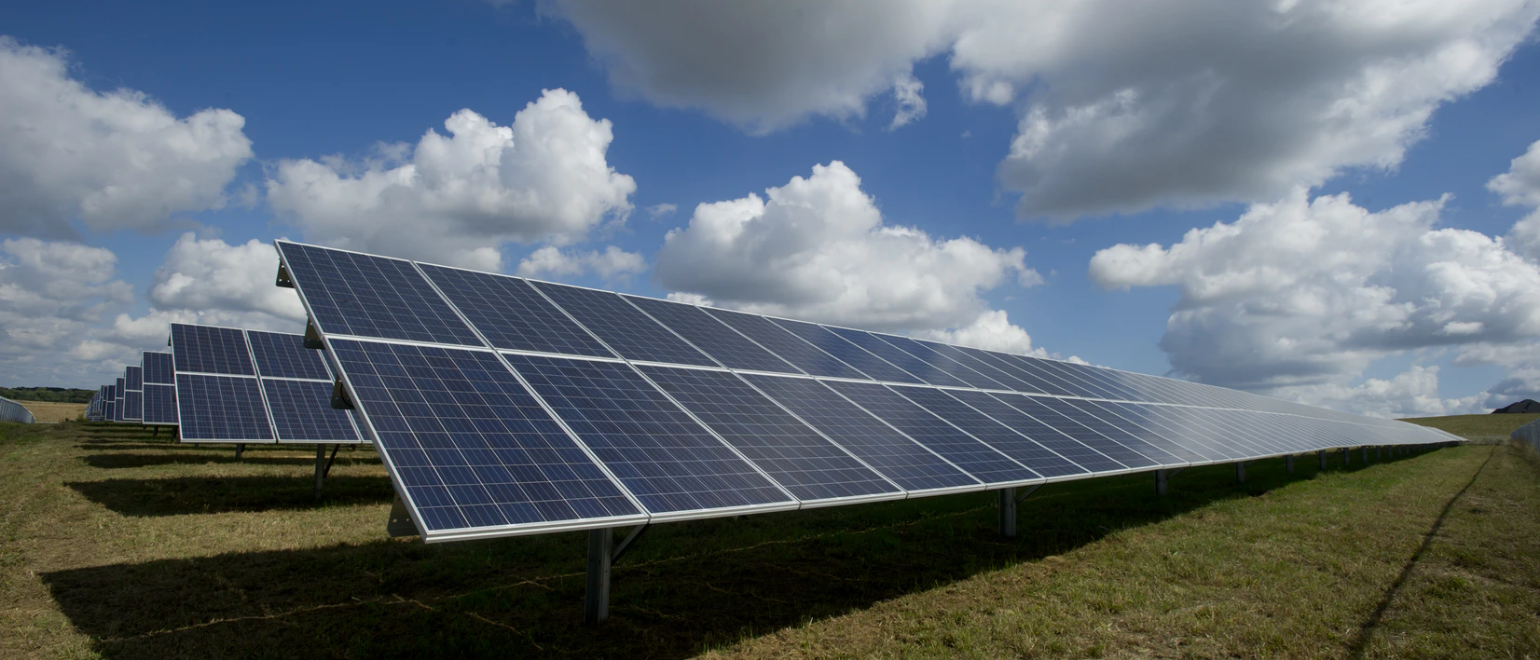
- U.S. Customs halts the import of silica-based products from made by Hoshine Silicon Industry Co. because the products are suspected of being produced using forced labor.
- For future imports of solar energy equipment sourced from Xinjiang, China, the United States may use Withhold Release Orders (WROs) to block entry into the United States if there is reasonable suspicion of forced labor in the supply chain.
- The renewables industry is working together and with regulators to find ways to certify its supply chains are free of forced labor.
The Silica Products WRO
On June 24, the White House announced the first strike against forced labor in the solar equipment manufacturing industry. Customs and Border Protection (CBP) issued a Withhold Release Order (WRO) stopping the import of silica-based products made by Hoshine Silicon Industry Co., Ltd. and its subsidiaries. Hoshine is located in Xinjiang. The WRO states that CBP has information reasonably indicating that the company used forced labor to manufacture its products. As we reported here, the importer may obtain release of goods subject to a WRO if the importer can prove to CBP’s satisfaction that the goods were not produced using forced labor. Such proof might take the form of a certificate of origin by the supplier, and a supply chain audit report demonstrating adequate anti-forced-labor procedures in the supply chain.
Based on the wording of the WRO, we believe it is likely that more and broader import controls on equipment critical to the solar industry may follow.
Separately, the U.S. Department of Commerce, Bureau of Industry and Security has designated Hoshine Silicon Industry (Shanshan) and four other Xinjiang companies to the Entity List. Generally, no person may export or reexport commodities, software, or technology subject to U.S. export controls to companies on the Entity List.
Finally, the U.S. Department o of Labor published a notice that updates its “List of Goods Produced by Child Labor or Forced Labor.” That list now includes polysilicon produced with forced labor in the PRC. Normally, the Department of Labor updates its list every two years. The fact that this updated is the first made outside of that two-year cycle, demonstrates how seriously the Biden administration takes the ongoing human rights abuses against Uyghurs and other minority groups in Xinjiang. It also signals that further restrictions on imports from and trade with the Xinjiang region are likely to follow.
What is a WRO?
CBP can withhold release of imported goods when information “reasonably but not conclusively” indicates that the merchandise was produced using forced labor.[1] Forced labor is defined as “all work or service which is exacted from any person under the menace of any penalty for its nonperformance and for which the worker does not offer himself voluntarily” as well as forced child labor or indentured child labor.[2]
A WRO prevents the goods from entering the United States. Importers have two options: either export the shipments back out of the United States, or submit information showing that the goods were not made with forced labor. If an importer pursues the latter option, it must do so within 3 months of importation and submit a certificate of origin as well as a detailed statement demonstrating that the subject merchandise was not produced with forced labor, e.g., a supply chain audit report.
More Anti-Forced Labor Actions to Follow
Bills working their way through the U.S. House and Senate would impose various restrictions related to China’s Xinjiang Uyghur Autonomous Region, including prohibiting certain imports from Xinjiang and imposing sanctions on those responsible for human rights violations there.
The legislation, or further executive actions could prohibit the entry into the United States of goods manufactured or produced in Xinjiang unless CBP (1) determines that the goods were not manufactured by convict labor, forced labor, or indentured labor under penal sanctions; and (2) reports such a determination to Congress and to the public.
Additionally, the legislation could require issuers of securities to file annual or quarterly reports with the Securities Exchange Commission to disclose instances where the issuer knowingly engaged in activities related to Xinjiang such as working with an entity building detention facilities or surveillance systems there. The President would then review those disclosures to determine whether sanctions or criminal charges are warranted.
How the Renewables Industry is Responding
We understand that U.S. renewable energy industry associations are working with foreign suppliers of modules and other silica-based goods. The goal is to identify suppliers that are able to certify that their goods are free of forced labor, and to enable those suppliers to adequately document their processes.
In our view, these efforts are important. One difficulty, though, is that CBP is poorly staffed to respond to forced labor issues on large scales, and the timing of U.S. renewable energy project imports are often tight. So it remains to be seen whether proactive solutions can be established in time, at the right scale, to protect future imports to supply the industry.
Contact:
Scott Maberry: smaberry@sheppardmullin.com
Reid S. Whitten: rwhitten@sheppardmullin.com
[1] 19 C.F.R. § 12.42(e)
[2] 19 C.F.R. § 12.42(a).