

As one law professor wrote, this oral “argument delve[d] into the philosophy of attorney regulation and the appropriate role of disciplinary counsel in a way that few cases do.”
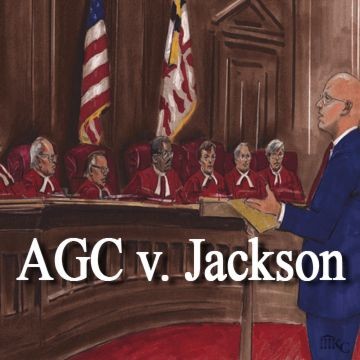
The Court’s upcoming opinion in this case may help to define the purposes and parameters of our disciplinary system. This case involves a D.C. Bar member charged with the unauthorized practice of law from a Maryland office that Bar Counsel tacitly approved years before. Visiting this office on an unrelated matter in 2015, Bar Counsel’s senior assistant knew the lawyer wasn’t licensed to practice law in the State. But rather than prosecute her for this “continuous and systematic presence,” the assistant offered recommendations for maintaining it.
Over three years after she followed this advice, Bar Counsel took a different view of the office that her former assistant toured, accused the lawyer of committing a crime for staying there, and ultimately demanded her disbarment.
Finding no evidence of sinister motives or any other wilful infraction, the trial judge believed Bar Counsel’s “extraordinary delay” in pressing charges to be highly prejudicial. Lacking evidence that this lawyer actually handled Maryland cases, Bar Counsel’s own witnesses confirmed that the respondent focused on D.C. cases and left Maryland matters to staff attorneys licensed to handle them.
Moving to dismiss all charges, Irwin Kramer urged the Court to preclude Bar Counsel from prosecuting an attorney who followed her assistant’s recommendations. As Georgetown Legal Ethics Professor Michael Frisch wrote, “the argument delve[d] into the philosophy of attorney regulation and the appropriate role of disciplinary counsel in a way that few cases do.” Having repeatedly held that the purpose of attorney discipline is “to protect the public, not to punish the erring attorney,” several members of the Court seemed poised to apply equitable defenses to disciplinary charges for the very first time and questioned the need to prosecute her. The Court’s answer to that pivotal question may set significant parameters on the administration of justice for lawyers.
Argued: September 13, 2021