

There’s no exact number of drinks to determine if you’re over the limit. However, you can approximate if you are approaching or have exceeded the legal limit.
Measuring the amount of alcohol in the blood, also known as Blood Alcohol Concentration (BAC), helps you know if you are over the legal limit. If your BAC is high, it means your alcohol level in the blood is high.
It’s illegal in all states to drive with a high BAC. A high BAC in most states is usually .08% and above. Drinking and driving with a BAC of .08% or higher is over the legal limit and can cause accidents and injuries. If such accidents happen, you need to know what the injury law says.
How Much Can You Drink Before Driving?
Depending on your state laws, driving a car with a .08% BAC or higher is illegal. This applies to drivers who are 21 years or older.
Drivers below 21 years might have a BAC limit of .01% to .03%, and in some cases, any amount of alcohol in their blood is not allowed while driving. The DUI lawyers also suggest the same.
What To Do After an Accident
It’s important to ensure your BAC is not over the limit before driving or walking home. Drunk driving has serious consequences. Besides causing severe injuries to pedestrians or other passengers, drunk drivers pay huge fines, lose licenses, and pay for higher insurance. If such accidents occur, here’s what you should do.
- Get medical help
Stay calm and keep yourself safe. If you have company, check to see that they are safe, then call for help. Depending on the seriousness of the injuries, you can call 911. Make sure you see a doctor and get medical attention.
- Call personal injury lawyers
Call a pedestrian accident lawyer who will investigate your case and help you rebuild your life. An experienced lawyer will negotiate on your behalf and ensure your case is handled successfully. An injury lawyer is willing to look at all injury cases, including serious injuries like brain damage.
- Call brain damage attorney
In cases of brain damage, a brain injury attorney can help. They’ll advise you on your rights, make injury claims on your behalf if possible, and help with any defenses.
Drunk driving has serious consequences that can cause accidents leading to paralysis, a disfigured body, brain damage, or even death.


How Can You Know If You Are Approaching the Drinking Limit?
Everyone absorbs alcohol differently in their bodies. That makes it difficult to know the exact drinking limit for each person.
That’s why factors like your body weight, amount of time you spend drinking, and the amount of alcohol you drink can help you know if you’re approaching the drinking limit.
- Weight
Someone around 100 lbs can only have one serving of alcohol before reaching or passing the .08% mark. Another person who weighs more, for example, 160 lbs, can have three servings and stay below the .08% legal limit.
As a rule, having more than three servings will likely increase your chances of going beyond .08%.
- Time spent drinking
The amount of time you spend drinking can determine the amount of alcohol in your blood. For example, if you drink at intervals of more than one hour, you will likely have a lower BAC. If you drink the same amount in one hour or less, your BAC will likely be higher.
- Amount of alcohol
The amount of alcohol that can keep you above the legal limit varies depending on the type of alcoholic drink. For example, 12oz of a strong alcoholic drink can have a stronger impact on your body than 12oz of beer.
It indicates that one serving of a type of alcoholic drink can have the same impact as three servings of a different type of alcoholic drink. It’s important to check the amount of alcohol you take depending on the type of drink.
Checking the type and the amount of alcohol you consume will help you avoid exceeding legal limits.
- Fatigue
Fatigue is another factor that can increase a person’s alcohol level in the blood. A person’s BAC can significantly increase if they are exhausted and drinking at the same time. Exhaustion is likely to increase as you take alcohol.
This is because the liver is not working efficiently in eliminating alcohol from your system, leading to an increased BAC. An exhausted and drunk person has impaired judgment, increasing the likelihood of causing an accident and injuries.
- Medication
Some medications can have serious side effects if you take them while drinking alcohol. Ensure you check the warning labels of each medication before consuming alcohol. Check all warnings, including over-the-counter medicine labels.
If you get into an accident and get hurt after taking medicine and alcohol, get help. Find out your legal rights according to state laws. A personal injury lawyer may be able to help you know if you can make bodily injury claims.
- Food
Taking alcohol on an empty stomach can increase BAC more than taking alcohol after eating food. Drinking without taking food increases the rate of alcohol absorption into your bloodstream.
Drinking alcohol after eating food lowers the rate of alcohol absorption into your bloodstream. Mixing alcohol with specific drinks can also lower or increase the rate of alcohol absorption in the blood.
For example, mixing alcohol with water or juice can slow down the rate of alcohol absorption into your blood. Other drinks might increase absorption.
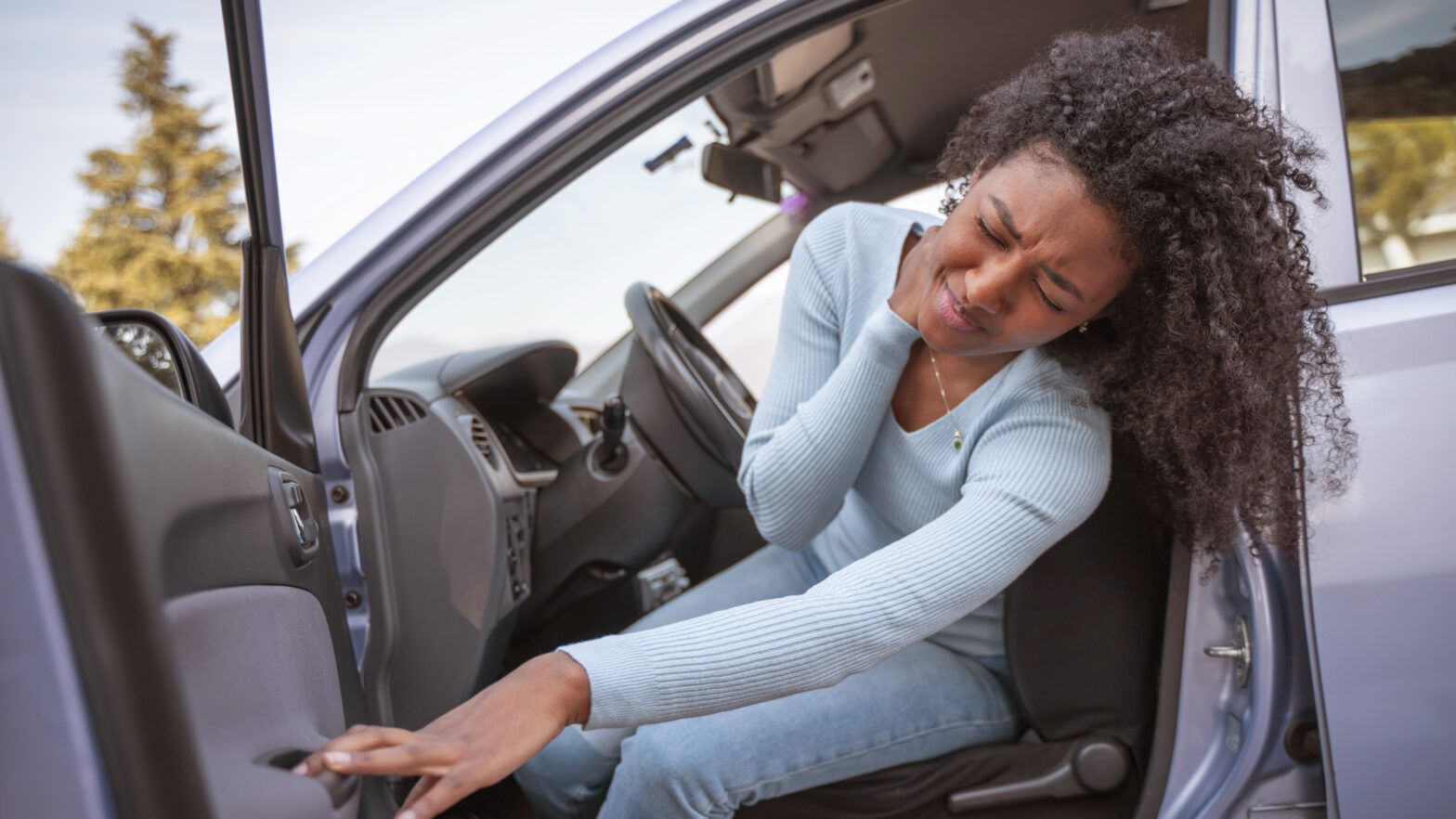
Suffering injuries in an accident can be traumatic and painful, especially when the accident is not your fault. In addition, there are…
Key Takeaway
Blood alcohol concentration is .08% for most states. Different factors contribute to high BAC, including the number of drinks and how the body metabolizes alcohol. So, a person can approximate if they are about to go over the legal limit.
Checking the type of alcohol, the number of drinks, and the space in between the drinks is helpful. Other factors include eating before drinking, not drinking while on medication, and not drinking while exhausted.
Checking these factors will help you stay within the right BAC. Having over-the-limit alcohol in your blood leads to impaired judgment, which can cause serious accidents and consequences.