

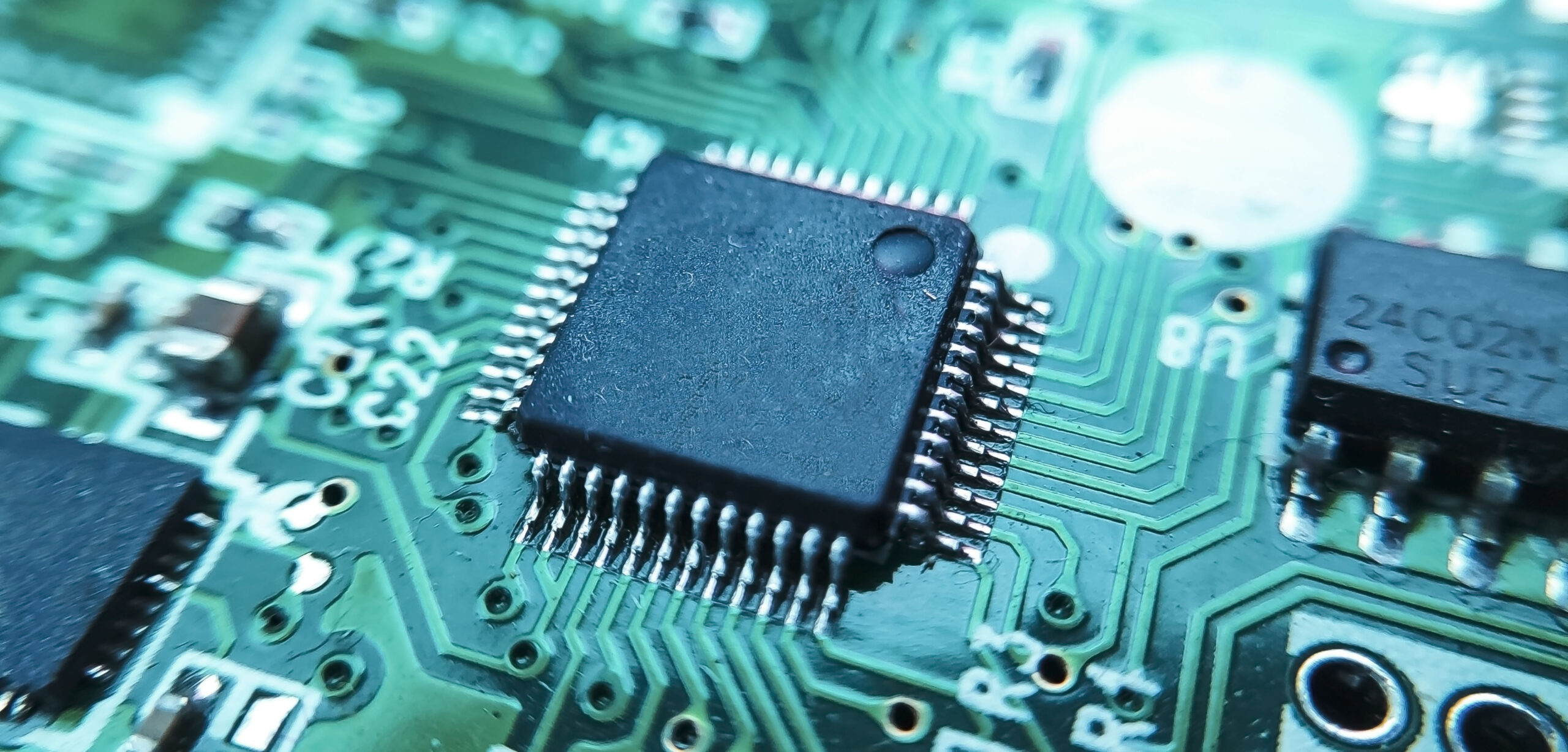
As you may have heard here (and here and here), in October 2022, the United States issued sweeping measures aimed at the semiconductor industry in China. The new regulations restrict the export of semiconductors and related technology, manufacturing equipment, software, and even U.S.-person support, to China. The regulations are part of a high-stakes chess match between the United States and China, as they compete for technological and economic dominance. One important result of this struggle is that the global semiconductor industry is being squeezed by the regulatory and geopolitical pressure exerted by both sides.
Now, as 2022 comes to a close, the United States is calling on its allies to impose similar export restrictions on China. This move is a strong expansion of the efforts to restrict China’s access to advanced semiconductors and related know-how. In our view, it is also a throwback to the old Truman Doctrine concept of containment. The Biden administration made it clear that the United States wants its allies to align with aggressive U.S. export controls on China.
More than two months after the release of the October 2022 regulations, discussions with U.S. allies on the issue are still continuing. The first two countries to come on board appear to be Japan and the Netherlands. White House national security adviser Jake Sullivan said discussions with Japan and the Netherlands have taken place, without providing further details. Bloomberg reported that Japan and the Netherlands have reportedly agreed to join U.S. efforts to impose similar export restrictions. According to the report, both countries will join in banning “machines capable of making 14-nanometer or more advanced chips to China.”
Both Japan and the Netherlands are important players in the development of semiconductor technology and manufacturing. The U.S. government has been working hard to convince those particular allies to align, because they both have leading roles in cutting edge technologies. The Netherlands is a hub of chip manufacture and design, and the country also creates some of the most advanced chip production machines in the world. Japan is home to numerous chip designers and manufacturers as well as suppliers of chip manufacturing equipment.
We are still waiting for any official statements from the Netherlands and Japan outlining any specific measures they will adopt. However, the reported response by Japan and the Netherlands to what is clearly a concerted U.S. diplomatic effort may indicate that other countries will continue to be pushed to choose sides in this semiconductor cold war. On the other side, China is imposing its own export controls, “unreliable entity list,” and foreign direct investment restrictions. Additionally, on December 12, China’s Commerce Minister announced that the country had filed a trade dispute with the World Trade Organization to challenge the new U.S. export restrictions.
We will continue to follow the geopolitical developments and report here on how they impact global trade and, as in this case, specific industries.