

To meet the complexities of government contracts requirements, companies often form teams to combine their strengths and offer the best possible solutions. The Federal Acquisition Regulation (FAR) specifically recognize the importance of contractor teaming arrangements to complement contractor capabilities and offer the Government an optimal combination of performance, cost, and delivery in acquisition. Such teaming arrangements are a powerful tool, but they require careful planning to ensure regulatory compliance. For instance, under FAR 9.603, contractors must fully disclose their teaming arrangements and company relationships in their proposals. Alternatively, if the teaming arrangements are entered into after proposal submissions, the arrangements must be disclosed before they become effective.
Experienced contractors understand that forming teaming arrangements requires a detailed due diligence process to ensure strict compliance with all applicable laws and regulations. In addition to internal considerations and the FAR’s requisite disclosure of the planned teaming arrangements, contractors should also be mindful of anti-trust laws impacting their proposed teaming arrangements as part of their due diligence reviews. For instance, international firms teaming with U.S. contractors to compete on U.S. federal government contracts should especially seek a review by counsel of the potential anticompetitive aspects of their prospective teaming arrangement.
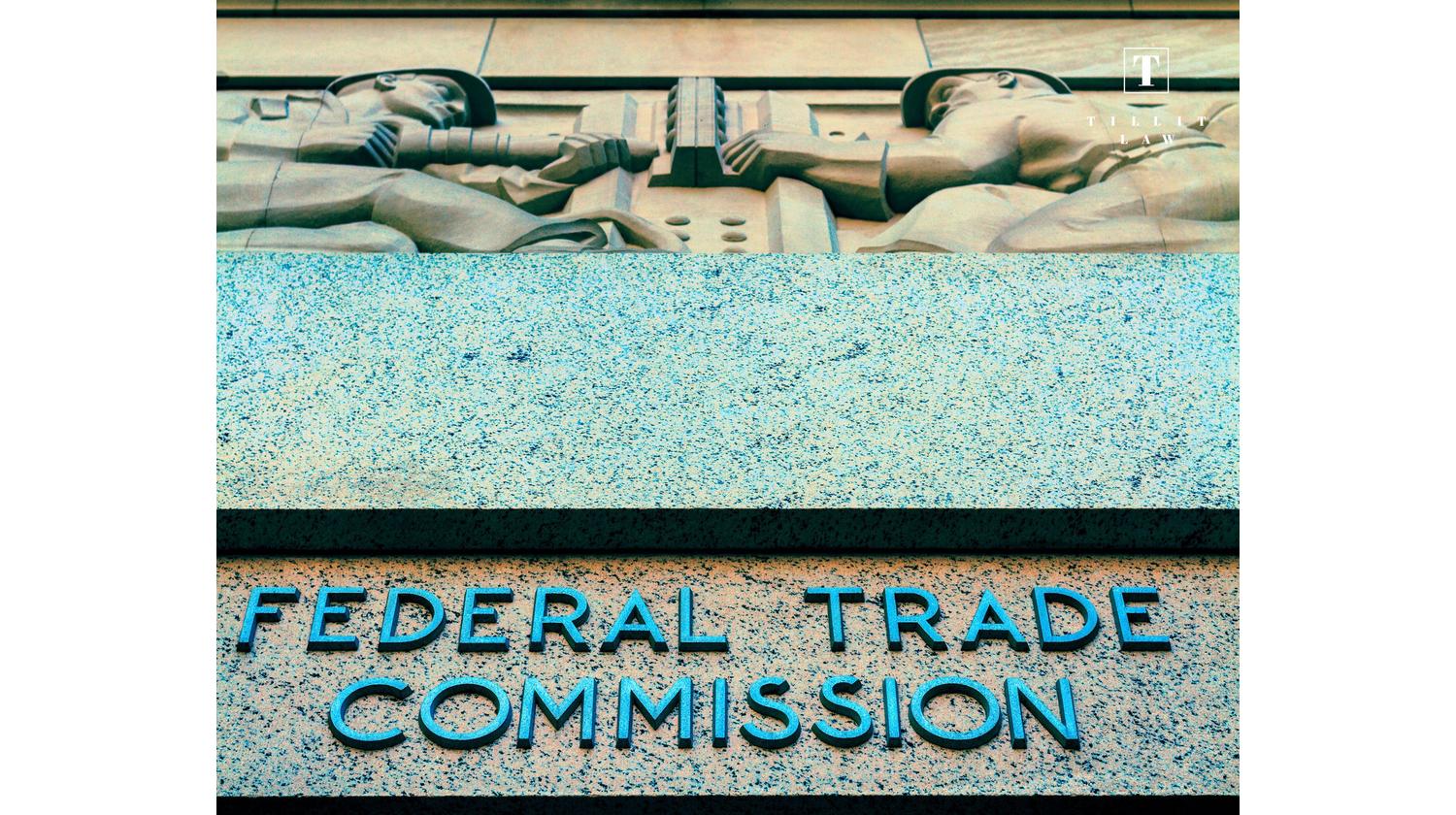
The Department of Justice (DOJ) and the Federal Trade Commission (FTC) are the U.S. federal agencies responsible for enforcing anti-trust laws. Both agencies have issued several guidelines on the proper application of anti-trust laws to contractor teaming arrangements. While these guidelines warn contractors against forming anticompetitive teaming arrangements that reduce competition or raise prices, they have also recognized that the complexities of the government’s constantly evolving requirements often necessitate collaboration between competitors. A few critical anti-trust laws that could impact contractors’ teaming arrangements are briefly described below.
o Sherman Act — first enacted in 1890, the Sherman Act prohibits contracts, combinations, or conspiracies that restrain trade or commerce. This includes agreements between competitors to fix prices, rig bids, or divide markets. The Sherman Act is often used to review allegations of rigged bids by competing companies.
o Federal Trade Commission Act (FTCA) — signed into law in 1914 by President Woodrow Wilson, the FTCA prohibits unfair or deceptive acts or practices in commerce, including agreements between competitors that unreasonably restrain trade. The FTCA, under which the FTC was created, allows the agency to bring challenges against teaming arrangements that violate other anti-trust laws, such as the Sherman Act and the Clayton Act.
o Clayton Act — also enacted in 1914, the Clayton Act prohibits mergers and acquisitions, purchase of stock or assets, and certain types of price discrimination that have the effect of substantially lessening competition or creating a monopoly.
Teaming arrangements are a win-win for contractors and government agencies, provided contractors understand applicable regulations and take proactive steps to ensure compliance. When assessing if a possible partnership between contractors breaches anti-trust laws, regulatory bodies consider various factors, including the type of goods and services involved, the market share of the companies involved, the current level of competition in the market, and the potential effects of the collaboration on competition overall. Contractors should consider the impact of any applicable anti-trust laws on their prospective teaming arrangements in addition to performing standard due diligence checks on their prospective teammates, such as considering the teammate’s past performance history and financial conditions, along with conducting reviews for organizational conflict of interests and contractor responsibility using the System of Award Management (SAM). Should any issues or concerns arise in either review, contractors should contact counsel for clarification to ensure compliance with applicable regulations.
This Federal Procurement Insight is provided as a general summary of the applicable law in the practice area and does not constitute legal advice. Contractors wishing to learn more are encouraged to consult the TILLIT LAW PLLC Client Portal or Contact Us to determine how the law would apply in a specific situation.