

On October 30, 2023, the U.S. District Court for the Eastern District of Louisiana found that the rule established by the U.S. Supreme Court in Robins Dry Dock & Repair Co. v. Flint1 applied to the case at hand, barring claimants from recovering economic damages for deferred oil production.2
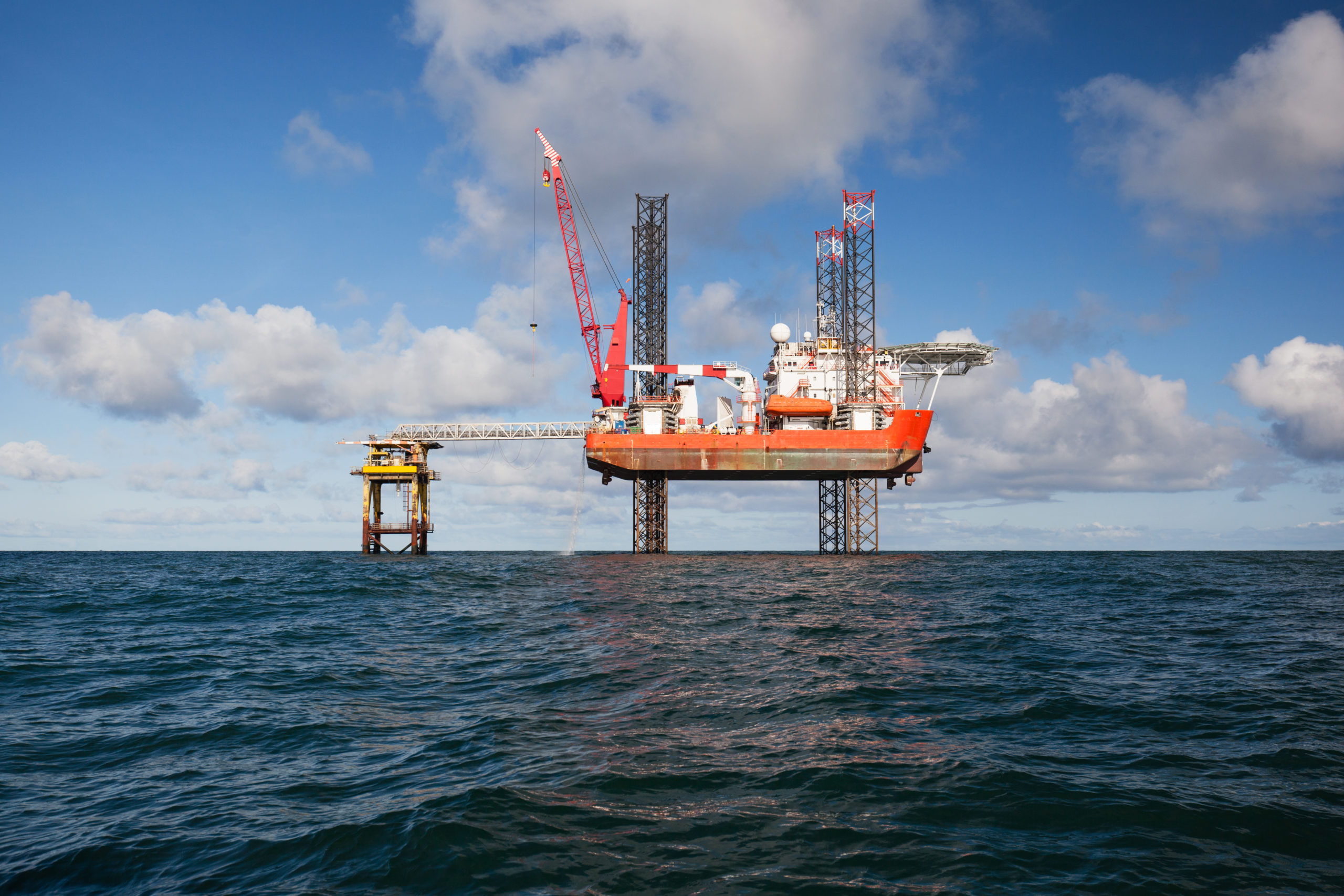
The claimants brought claims against L/B SEACOR POWER, a liftboat that capsized due to severe weather conditions. Claimants sought damages for alleged pipeline damage caused by the SEACOR POWER as well as economic damages from deferred oil production.
On a motion for summary judgment, Seacor sought dismissal of claimants’ claims for economic damages based on the rule set forth by Robins Dry Dock. This case required a complex analysis of Robins Dry Dock due to separate entities, under claimants’ parent company, owning the pipeline, and leasing the wells and platforms.
Robins Dry Dock provides that a party cannot recover for economic loss absent personal injury to a proprietary interest. An important aspect of Robins Dry Dock is that the claimant must be the actual or tantamount owner of the property. Ownership, in either case, can be determined through possession or control, responsibility for repair, and responsibility for maintenance.
In this case, due to claimants’ corporate structure, they could not show that the entity that suffered economic damages also had a proprietary interest in the damaged pipeline. Claimants offered a creative argument that they could recover for economic damages based on the integrated unit exception to Robins Dry Dock because the platform and wells were physically attached and operated as a collective unit under the claimants’ umbrella of companies. The Court was not persuaded.
The Court’s finding can be summed up as this: “[T]o treat the claimants as ‘separate entities for tax and limited liability purposes but a single entity for Robins Dry Dock purposes would be a dichotomy without foundation in law or logic.’”
The Court maintained Robins Dry Dock’s status as a bright line rule. A party cannot recover for economic loss absent physical injury to a proprietary interest.
Contact Liskow attorneys Elizabeth Strunk, Michael Golemi, and David Reisman for further questions regarding this topic.
1 275 U.S. 303 (1927).
2 In re Falcon Global Offshore II, No. 21-1062, 2023 WL 7128849 (E.D. La. Oct. 30, 2023).
Disclaimer: This Blog/Web Site is made available by the law firm of Liskow & Lewis, APLC (“Liskow & Lewis”) and the individual Liskow & Lewis lawyers posting to this site for educational purposes and to give you general information and a general understanding of the law only, not to provide specific legal advice as to an identified problem or issue. By using this blog site you understand and acknowledge that there is no attorney-client relationship formed between you and Liskow & Lewis and/or the individual Liskow & Lewis lawyers posting to this site by virtue of your using this site. The Blog/Web Site should not be used as a substitute for legal advice from a licensed professional attorney in your state regarding a particular matter.
Privacy Policy: By subscribing to Liskow & Lewis’ E-Communications, you will receive articles and blogs with insight and analysis of legal issues that may impact your industry. Communications include firm news, insights, and events. To receive information from Liskow & Lewis, your information will be kept in a secured contact database. If at any time you would like to unsubscribe, please use the SafeUnsubscribe® link located at the bottom of every email that you receive.