

Skip to content

Menu

LexBlog, Inc. logo
NetworkSub-MenuBrowse by SubjectBrowse by PublisherJoin the NetworkGet StartedSubscribeSupportContact
Search
Close

New Treasury Guidance Silent on Biomass Electricity Credits

By Andrew Eastman on June 7, 2024
Email this postTweet this postLike this postShare this post on LinkedIn

On May 29, 2024, the U.S. Treasury Department and the Internal Revenue Service issued a notice of proposed rulemaking (“NPRM”) that includes guidance on two of the Inflation Reduction Act of 2022’s renewable electricity tax credits – but which notably failed to provide guidance with respect to the eligibility of clean electricity generated by biogas or renewable natural gas (“RNG”) for those credits, leaving RNG developers with lingering questions. 

According to the NPRM, the existing Section 45 production tax credit and the existing Section 48 investment tax credit available to renewable electricity projects will be phased out by limiting their availability to projects beginning construction prior to 2025. The Section 45Y clean electricity production tax credit and the Section 48E clean electricity investment tax credit will replace them with respect to projects placed in service after December 31, 2024. Those replacement credits are designed to incentivize green energy facilities achieving net-zero greenhouse gas emissions.   

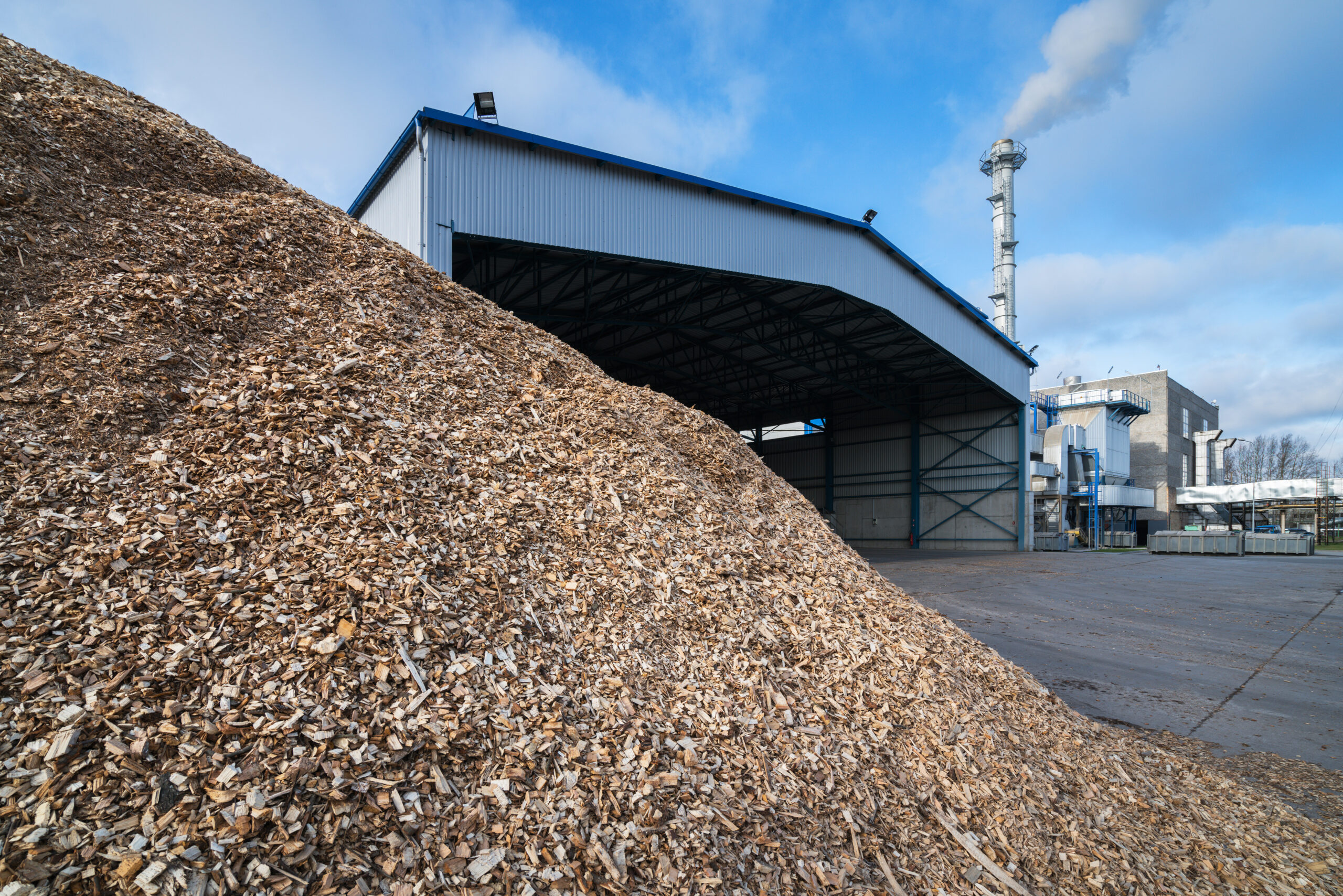
Achieving net-zero status will require that projects relying on combustion or gasification processes to produce electricity undergo a lifecycle greenhouse gas emissions analysis. Those projects will include facilities that generate electricity from biogas, RNG, and other forms of biomass.

Pursuant to the NPRM, electricity-generating wind, solar, hydropower, marine and hydrokinetic, nuclear fission and fusion, and geothermal projects, and certain types of waste energy recovery projects, that achieve net-zero goals as determined by that analysis will qualify for the replacement credits. Although RNG projects are subject to that analysis, they are not specifically identified as eligible generators of electricity for purposes of producing the replacement credits.  

The NPRM seeks comments on many issues related to the lifecycle emissions analysis. “Treasury, in consultation with interagency experts, will carefully review comments received and continue to evaluate how additional clean energy technologies, including combustion and gasification technologies, will be able to qualify for the clean electricity credits,” according to an agency statement. Presumably, many of those comments will be from RNG developers seeking clarity with respect to the qualification of biomass-derived electricity to win those credits.

Photo of Andrew Eastman Andrew Eastman

An accomplished corporate attorney with extensive litigation experience, Andrew represents clients with a dual emphasis on commercial success and risk mitigation. Andrew brings industry-focused insight to his work at Husch Blackwell. Having previously served as general counsel to a national developer of renewable

…

An accomplished corporate attorney with extensive litigation experience, Andrew represents clients with a dual emphasis on commercial success and risk mitigation. Andrew brings industry-focused insight to his work at Husch Blackwell. Having previously served as general counsel to a national developer of renewable natural gas (RNG) and related projects, Andrew oversaw that company’s transactional, commercial, and litigation matters, including its $347 million acquisition by a special purpose acquisition company with a green energy mandate.

Read more about Andrew EastmanEmail
Show more Show less
  • Posted in:
    Energy and Utilities
  • Blog:
    Climate Solutions Legal Digest
  • Organization:
    Husch Blackwell LLP
  • Article: View Original Source

Call us at 1-800-913-0988 or email sales@lexblog.com.

Facebook LinkedIn Twitter RSS
The Library at LexBlog
  • About LexBlog
  • The Field We Built
  • Library at LexBlog
  • Our Beliefs
  • Our Team
  • Contact LexBlog
  • Disclaimer
  • Editorial Policy
  • Terms of Service
  • Get Started
  • Publishing Solutions
  • Compass
  • Submit a Request
  • Support Center
  • System Status
Copyright © 2026, LexBlog, Inc. All Rights Reserved.
Law blog design & platform by LexBlog LexBlog Logo