

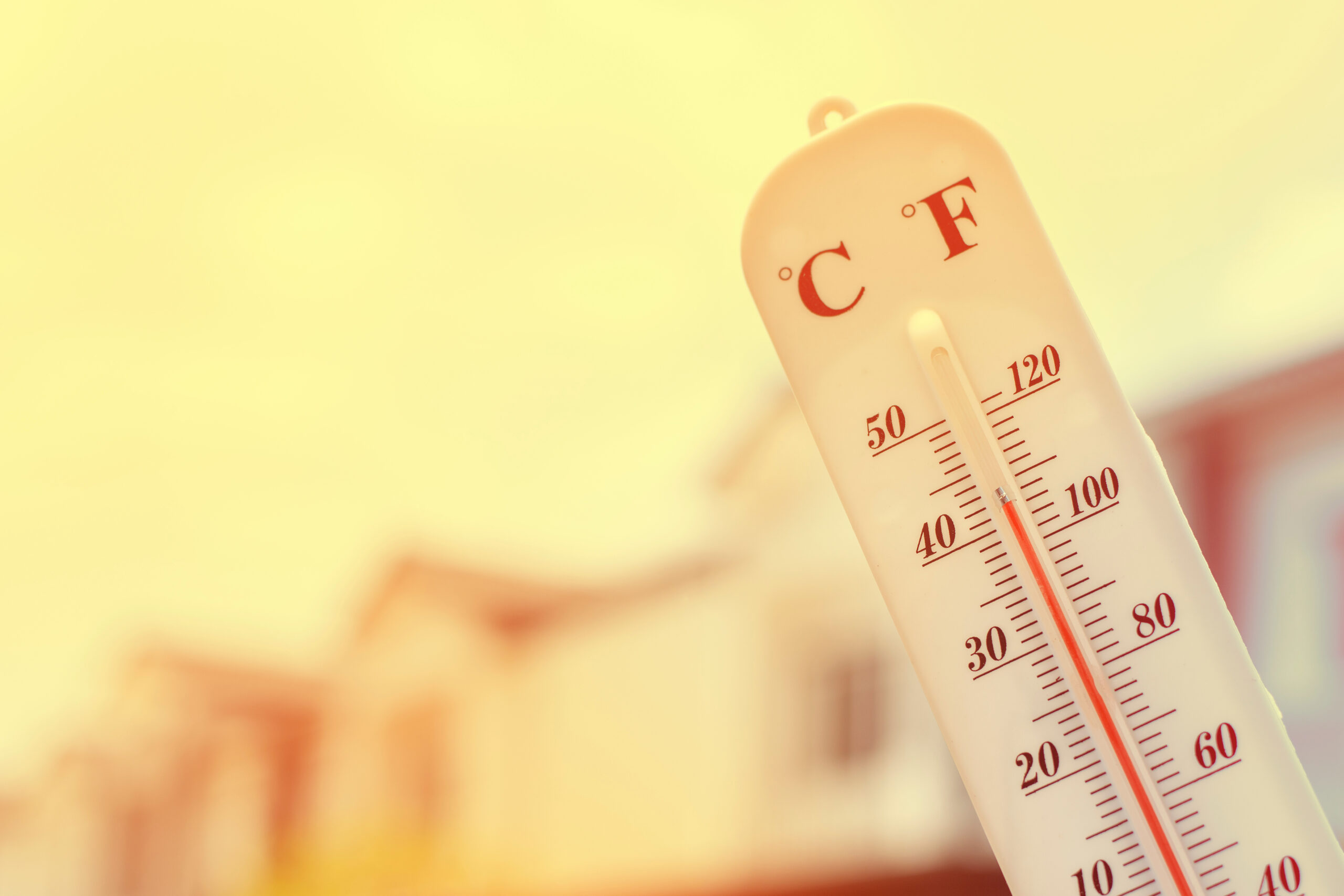
On July 2, OSHA unveiled its proposed heat safety rule, currently awaiting official publication in the Federal Register. This rule aims to protect employees from heat-related injuries and illnesses by establishing comprehensive requirements for employers, as outlined in a White House Fact Sheet.
The proposed rule is part of broader effort by the Biden Administration to respond to the impacts of climate change. Once the proposed rule is published in the Federal Register, the public is encouraged to submit written comments on the rule. Key rule provisions include:
Scope and Exemptions
The proposed rule broadly applies to most employers, with exemptions for activities involving minimal heat exposure, indoor work areas or vehicles consistently kept below 80°F through air conditioning, and certain emergency response operations. Telework and sedentary indoor activities are also exempt.
Key Requirements
- Heat Injury and Illness Prevention Plan (HIIPP): Employers must develop a site-specific HIIPP that includes a list of covered work activities, policies to comply with the rule, and a method to identify heat conditions. The HIIPP must also designate a heat safety coordinator responsible for ensuring compliance.
- Heat Triggers: Employers must monitor heat conditions using an approved heat metric to determine when certain requirements apply. There are two main triggers: the initial heat trigger and the high heat trigger. Generally, the initial heat trigger is at a heat index of 80°F, and the high heat trigger is at a heat index of 90°F.
- Initial Heat Trigger: When temperatures reach or exceed the initial heat trigger, employers must implement safety measures, such as providing cool drinking water and break areas either in the shade or in an air-conditioned space. Employers must encourage employees to take paid rest breaks if needed and effectively communicate with employees about the conditions.
- High Heat Trigger: More rigorous safety measures apply when temperatures reach or exceed the high heat trigger. Employers must provide a minimum 15-minute paid rest break every two hours and notify employees about the importance of drinking water, their right to take rest breaks, and how to seek help in a heat emergency. Employers are also required to implement a preapproved method for observing employees for signs and symptoms of heat-related illness.
- Acclimatization, Training, and Emergency Response: Employers must implement a preapproved protocol to help new and returning employees acclimatize to heat conditions. Annual training on safely working in the heat is required for all employees. Supervisors must also receive annual training on how to supervise employees working in conditions at or above the initial heat trigger. Additionally, employers must develop and implement a heat emergency response plan that aligns with the rule’s requirements.
Status of the Proposed Rule
As a proposed rule, these regulations are not yet in effect. Once published in the Federal Register, there will be a period for public comment before the rule can be finalized and enforced. If you wish to see certain changes made to the proposed rule, contact a Husch Blackwell Workplace Safety and Health attorney to find out about making comments to the rule.