

Skip to content

Menu

LexBlog, Inc. logo
NetworkSub-MenuBrowse by SubjectBrowse by PublisherJoin the NetworkGet StartedSubscribeSupportContact
Search
Close

The Dueling Views of FTC Commissioners Ferguson and Holyoak on the Scope of Agency Authority

By Leonard L. Gordon, Mary M. Gardner & Jay Prapaisilp on December 5, 2024
Email this postTweet this postLike this postShare this post on LinkedIn
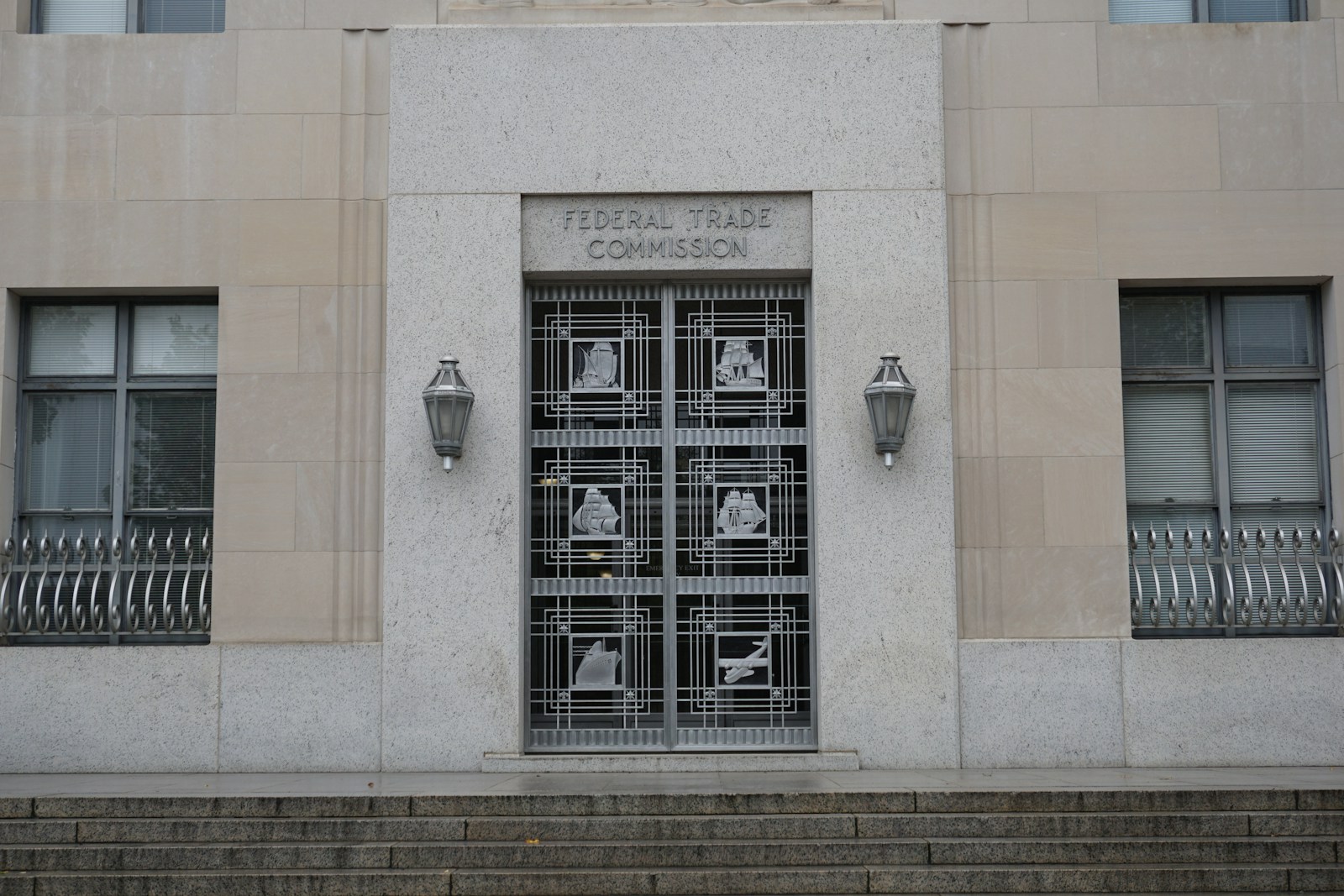
The Federal Trade Commission.
Ian Hutchinson, Unsplash

Last month, the Federal Trade Commission (FTC) announced an enforcement action against Evolv Technologies, alleging that the company made deceptive claims about the capabilities of its AI-powered security screening system, including in school settings. Among other allegations, the complaint alleged that Evolv advertised that its systems could reliably detect all weapons, but the systems consistently failed to detect guns and knives and routinely gave false alarms.

The FTC also announced a proposed settlement. Interestingly, the two sitting Republican commissioners, one of whom will likely be the acting chair after January 20, disagreed on the scope of the proper remedy under Section 13(b) of the FTC Act. While commissioners Andrew Ferguson and Melissa Holyoak both supported the FTC’s settlement with Evolv, they disagreed on the FTC’s authority to provide relief in the form of contract cancellation for school customers.

Holyoak disagreed with the agency’s decision to order Evolv to notify its school customers of their right to unilaterally cancel multi-year subscription contracts with Evolv. Citing the Supreme Court’s decision in AMG Capital Management, Holyoak argued that rescission (invalidating a contract and restoring parties to their pre-contract positions) and consumer redress are outside the FTC’s Section 13(b) authority. Rather, Section 13(b) only permits prospective relief in the form of injunctions to prevent future violations, while rescission and redress are explicitly authorized under Section 19(b).

Ferguson agreed that the FTC could allow customers to withdraw from contracts but that the remedy was on the “very edge” of the FTC’s authority. Ferguson distinguished the contract cancellations from rescission because the agency was not providing retrospective relief. Rather, the order allowing customers to cancel their contracts with Evolv acted as a “permanent injunction” to address the ongoing violation of the FTC Act’s prohibition on deception because Evolv continues to benefit from contracts obtained through misrepresentations.

Under chair Lina Khan, the FTC has taken a very aggressive view of its remedial authority, with Republican commissioners often dissenting. Observers will be curious to see who will be named acting chair, and what if anything that will mean for how the FTC interprets its remedial authority.

For more insights into advertising law, bookmark our All About Advertising Law blog and subscribe to our monthly newsletter. To learn more about Venable’s Advertising Law services, click here or contact one of the authors. And listen to the Ad Law Tool Kit Show—a podcast from Venable.

Photo of Leonard L. Gordon Leonard L. Gordon

Len Gordon, chair of Venable’s Advertising and Marketing Group, is a skilled litigator who leverages his significant experience working for the Federal Trade Commission (FTC) to help protect his clients’ interests and guide their business activity. Len regularly represents companies and individuals in…

Len Gordon, chair of Venable’s Advertising and Marketing Group, is a skilled litigator who leverages his significant experience working for the Federal Trade Commission (FTC) to help protect his clients’ interests and guide their business activity. Len regularly represents companies and individuals in investigations and litigation with the FTC, state attorneys general, the Department of Justice (DOJ), and the Consumer Financial Protection Bureau (CFPB). Len also represents clients in business-to-business and class action litigation involving both consumer protection and antitrust issues. He also counsels clients on antitrust, advertising, and marketing compliance issues.

Read more about Leonard L. GordonEmail
Show more Show less
Mary M. Gardner

Mary M. Gardner helps clients identify, evaluate, and prioritize their risks; implement practices to minimize, monitor, and control those risks; and find satisfactory outcomes when those risks turn into potential liabilities. Mary is a versatile counselor, litigator, and negotiator, representing companies in all…

Mary M. Gardner helps clients identify, evaluate, and prioritize their risks; implement practices to minimize, monitor, and control those risks; and find satisfactory outcomes when those risks turn into potential liabilities. Mary is a versatile counselor, litigator, and negotiator, representing companies in all aspects of risk management, including litigation, arbitration, mediation, and counseling.

Read more about Mary M. GardnerEmail
Show more Show less
  • Posted in:
    Administrative and Regulatory, Technology and AI
  • Blog:
    All About Advertising Law
  • Organization:
    Venable LLP
  • Article: View Original Source

Call us at 1-800-913-0988 or email sales@lexblog.com.

Facebook LinkedIn Twitter RSS
The Library at LexBlog
  • About LexBlog
  • The Field We Built
  • Library at LexBlog
  • Our Beliefs
  • Our Team
  • Contact LexBlog
  • Disclaimer
  • Editorial Policy
  • Terms of Service
  • Get Started
  • Publishing Solutions
  • Compass
  • Submit a Request
  • Support Center
  • System Status
Copyright © 2026, LexBlog, Inc. All Rights Reserved.
Law blog design & platform by LexBlog LexBlog Logo