

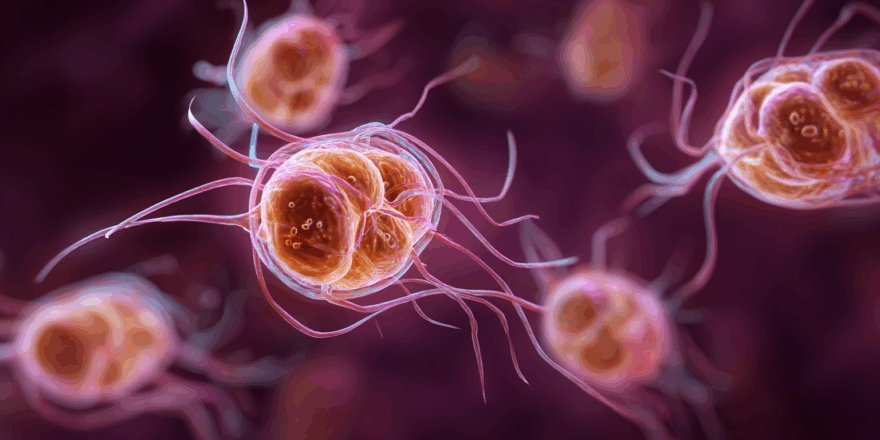
Giardia is a microscopic parasite that causes giardiasis, an intestinal infection. This parasite is a single-celled organism known as a protozoan, specifically from the genus Giardia. Infection with Giardia can lead to gastrointestinal symptoms such as diarrhea, abdominal cramps, bloating, nausea, and fatigue.
Where does Giardia come from?
Giardia is commonly found in the intestines of infected humans and animals, particularly in their feces. It is often spread through contaminated water, food, or surfaces. The parasite can thrive in various environments, including:
- Contaminated Water: Drinking or swimming in water that has been contaminated with feces from infected individuals or animals.
- Food: Consuming food that has been washed with contaminated water or handled by someone who is infected.
- Person-to-Person Transmission: If someone with giardiasis does not wash their hands properly after using the bathroom and then prepares food for others, it can spread the infection.
Can Giardia be found in food?
Yes, Giardia can be found in food, although it is more commonly associated with contaminated water. Foods can become contaminated with Giardia when:
- They are washed or rinsed with contaminated water.
- Handlers who are infected do not practice proper hygiene.
Raw fruits and vegetables are contaminated in the field or during processing.
What type of food can Giardia be found in?
While Giardia is primarily associated with contaminated water, it can potentially be found on any food item that has been contaminated. Giardia outbreaks have been linked to a variety of foods, particularly those that are consumed raw or unwashed. Here are some common food types that have been associated with Giardia contamination:
- Leafy Greens: Salads and raw vegetables, especially those washed with contaminated water, have been linked to Giardia outbreaks. Spinach and lettuce are common culprits.
- Fruits: Fresh fruits, especially those that are washed with contaminated water, can be a source. Berries and other soft fruits are particularly susceptible.
- Herbs: Fresh herbs like cilantro, basil, and parsley can become contaminated if washed with tainted water.
- Uncooked Foods: Any food that is consumed raw and has been contaminated, either during growing, washing, or preparation, can pose a risk.
- Drinking Water: While not a food, contaminated drinking water is one of the most significant sources of Giardia infection, which can also affect food safety when used for washing produce.
What is the treatment for Giardia?
Giardiasis is usually treated with medications. The most common treatments include:
- Metronidazole (Flagyl): An antibiotic that is effective against giardiasis.
- Tinidazole (Tindamax): Another medication that can be used to treat giardiasis.
- Nitazoxanide (Alinia): An option for treating Giardia infections.
How can Giardia be prevented?
Preventing giardiasis involves several strategies:
- Practice Good Hygiene: Wash hands thoroughly with soap and water, especially after using the bathroom and before preparing or eating food.
- Safe Drinking Water: Drink treated or filtered water, especially when traveling to areas where water quality is questionable.
- Avoid Contaminated Water: Be cautious when swimming in lakes, rivers, or pools that may be contaminated.
- Food Safety: Wash fruits and vegetables thoroughly, especially if they are to be eaten raw. Avoid food from sources that may not practice proper hygiene.
- Educate Others: Inform those around you about the importance of hygiene and safe food practices to reduce the risk of transmission.
By following these preventive measures, the risk of giardiasis can be significantly reduced.