

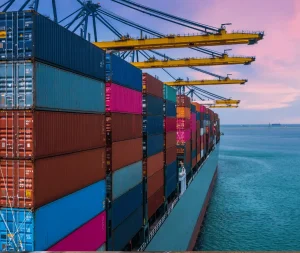
 SHIPPING LAW: BILL OF LADING LAW IN NIGERIA LEGAL IMPORTANCE IN SHIPPING TRANSACTION
If you are involved in the shipping industry in Nigeria whether as a shipper, importer, freight forwarder, or logistics company, there is one document you cannot conduct business without, and that is the Bill of Lading. Many people in the trade know its name but do not fully understand its legal weight, the different types that exist, and what makes it valid specifically within the Nigerian context. That gap in knowledge has cost many businesses dearly.
This article aims to give you a comprehensive understanding of what a Bill of Lading is, its legal functions in shipping transactions, the types recognized in Nigeria, and the specific requirements that every importer and shipper must know.
What Exactly Is A Bill of Lading?
A Bill of Lading (BL or BoL) is a shipping document that serves as a receipt for the transfer of cargo from a shipper or customer to a carrier or freight forwarder. In many cases, it also functions as the contract of carriage between the carrier and the shipper, and can additionally serve as a document of title, transferable from one party to another.
In Nigerian jurisprudence, the Supreme Court’s decision in Niger Benue Transport Co. Ltd v. Narumal & Sons Ltd (1986) affirmed that a properly endorsed Bill of Lading transfers constructive possession of goods and delivery rights confirming that its legal significance goes beyond mere paperwork.
The primary legislation governing bills of lading and carriage of goods by sea in Nigeria is the Merchant Shipping Act 2007, alongside the Carriage of Goods by Sea Act 1926, which incorporated the international Hague Rules into Nigerian law.
Three Core Legal Functions of A Bill of Lading
Before diving into the types and requirements, it is important you understand the three fundamental legal functions the Bill of Lading performs;
Receipt for Goods
The Bill of Lading serves as written confirmation from the carrier that the goods described have been received on board the vessel. The case of Brawal Shipping v. F.I.O. Enterprises Ltd (2015) confirmed that only original bills constitute prima facie evidence of goods receipt meaning a copy or unofficial version does not carry the same legal weight.
Evidence of the Contract of Carriage
In situations where no separate contract of carriage exists between the shipper and the carrier, the Bill of Lading can stand in its place. It outlines the terms and conditions of carriage, including liabilities, responsibilities, limitations, and the rights of each party. Any dispute arising from the carriage of goods will largely be resolved by what is written in this document.
Document of Title
When a Bill of Lading is marked as negotiable, it becomes a document of title. Meaning ownership of the goods can be transferred from one party to another simply by endorsement and delivery of the bill. This function is what makes it particularly powerful in commercial and banking transactions. As landmark cases such as Lickbarrow v. Mason (1794) and Sanders v. Maclean (1883) established internationally, a bill of lading is “transferable in its nature” and has been described as a “symbol of property traveling on the sea.”
Types of Bill of Lading in Nigeria
It is worthy to note that there are several types of Bills of Lading, each serving a different purpose. Understanding which one applies to your transaction is critical.
Classification Based on Negotiability
Straight Bill of Lading
This is a non-negotiable document in which delivery is made exclusively to a designated consignee. It cannot be endorsed or transferred to another party, hence making it ideal for transactions where the consignee has already paid for the goods or where transfer of ownership during transit is not intended.
Order Bill of Lading
The Order Bill of Lading is a negotiable document that allows the transfer of ownership of goods. The consignee named in the document can endorse it to another party, enabling that party to claim the goods upon arrival. Commercial transactions involving multiple buyers and sellers commonly use this type because of the flexibility and market liquidity it offers.
Sea Weighbill
The Sea Weighbill is a non-negotiable document mainly used for electronic transactions. While it allows for faster processing by eliminating the need for physical document delivery, it lacks the legal protection and transferability of the Order Bill of Lading, and is therefore not suitable for transactions involving multiple parties or ownership transfer.
Telex Release Bill of Lading
This is an electronic instruction sent from the carrier or freight forwarder to its local office or bonded warehouse, authorizing the release of cargo to the importer without the presentation of an original bill of lading. Telex releases are commonly used today in the form of emails and are favored for their speed and cost-efficiency in cargo clearance.
Classification Based on Transportation Mode
Through Bill of Lading
This type is used when multiple modes of transportation such as sea, rail, and road are involved in a single shipment. It covers the entire journey from origin to final destination, even where multiple carriers are involved.
Multimodal Bill of Lading
Similar to the Through Bill of Lading, but issued by a single carrier who takes full responsibility for the entire transport journey across different modes of transportation.
Charter Party Bill of Lading
This is used in cases where a vessel is chartered or hired for the transportation of goods. It outlines the terms and conditions of the charter agreement and serves as both a receipt and evidence of the contract between the charterer and the ship-owner.
Classification Based on State of Goods
Clean Bill of Lading
A Clean Bill of Lading is issued when the goods received are in apparent good condition, without any damage or discrepancy noted. It confirms that goods were loaded as expected.
Dirty Bill of Lading
Also called a Claused Bill of Lading, this is issued when there are discrepancies, damages, or irregularities in the shipped goods. It includes specific notations describing the issues observed, and immediately puts all parties on notice that the goods were not received in the expected condition.
Classification Based on the Issuer
Master Bill of Lading
This is the contract of carriage issued by the carrier to the shipper or freight forwarder after cargo has been transferred to the carrier. For less than container loads (LCL), the master bill of lading is typically issued to the forwarder, not the end shipper.
House Bill of Lading (HBL)
The House Bill of Lading is issued by the freight forwarder or a Non-Vessel Operating Common Carrier (NVOCC) to the shipper. It serves as a receipt for the goods and evidence of the contract of carriage between the shipper and the forwarder. The HBL plays a particularly vital role in Nigeria’s shipping industry because most cargoes to Nigeria are less than container loads (LCL). It’s important to note, however, that no shipping company in Nigeria releases cargo based on the HBL alone — the master bill is what the shipping company requires.
Nigeria-Specific Bill of Lading Requirements
In addition to all general international requirements, bills of lading in Nigeria must comply to some specific domestic requirements that every importer must be aware of;
Form M Numbers
Every bill of lading for goods bound for Nigeria must clearly state the Form M number. The Form M is a mandatory import document unique to Nigeria, issued by commercial banks and required by the Central Bank of Nigeria as part of the foreign exchange documentation process. Failure to include this on the bill of lading can delay cargo clearance significantly.
Shipped On Board Date
The shipped on board date and the date of issuance of the bill of lading are not the same, and this distinction matters greatly in Nigeria. Even if both dates coincide, banks require that the on board date be stated separately and explicitly. Furthermore, the shipped on board date must come after the Form M registration date. This means you must obtain your Form M before the goods are shipped. Actually this is a requirement that sounds straightforward but has delayed many shipments when violated.
Original Bill of Lading
Most Nigerian banks require exporters to courier the original bill of lading to the bank for PAAR (Pre-Arrival Assessment Report) issuance. This is a Central Bank of Nigeria policy and is non-negotiable for most transactions. A copy or electronic version will not suffice for this purpose.
Carrier’s Liability and Limitations Under Nigerian Law
The law does not place unlimited liability on carriers for damaged or lost goods. Under the Carriage of Goods by Sea Act 1926 which incorporated the Hague Rules into Nigerian law carriers are required to “properly and carefully” load, handle, stow, carry, keep, care for, and discharge the goods carried. However, carriers are also entitled to specific exceptions from liability, including;
- Loss or damage caused by nautical faults, that is, errors in navigation or vessel management
- Perils of the sea, covering damage from violent natural occurrences that cannot be prevented by ordinary human skill
- Inherent vice or insufficient packing where the damage results from the nature of the goods themselves or poor packing by the shipper
Additionally, there is a strict one-year time bar for claims against carriers, meaning any cargo claimant who fails to file a claim within one year of delivery or the expected date of delivery may lose their right to pursue the matter in court.
Electronic Bills of Lading
It is also important to know that the shipping world is gradually shifting towards electronic bills of lading (eBLs), and Nigeria is beginning to navigate this transition. While jurisdictions like the UK through the Electronic Trade Documents Act 2023 and Singapore through its Electronic Transactions (Amendment) Act 2021 have explicitly recognized electronic bills of lading as legally equivalent to paper documents, Nigeria’s existing legislation remains somewhat ambiguous on the subject.
The Merchant Shipping Act 2007 and Nigeria’s Electronic Transactions Act provide gradual accommodation for electronic alternatives, but there is still much ground to cover. For now, original paper bills of lading remain the standard for most banking and cargo clearance transactions in Nigeria and stakeholders should plan accordingly.
Final Words
Now we come to the end of this piece. If you read to this point, congratulations as you’ve read a thorough breakdown of what the Bill of Lading is, its three core legal functions, its various types, and the specific requirements you must comply with when dealing with goods bound for Nigeria. Whether you are an importer, a shipping company, a freight forwarder, or a logistics operator, understanding the Bill of Lading is not optional it is a fundamental requirement for anyone serious about conducting lawful and efficient shipping transactions in Nigeria.
If you need expert legal guidance on shipping documentation, maritime contracts, or cargo disputes, reach out to us via the contact details on our website. We are here to help, seek help from best and experienced lawyers in Lagos, Nigeria via www.bamandgadsolicitors.com.ng