

Skip to content

Menu

LexBlog, Inc. logo
NetworkSub-MenuBrowse by SubjectBrowse by PublisherJoin the NetworkGet StartedSubscribeSupportContact
Search
Close

California’s Automated License Plate Recognition Law Draws Increased Litigation Exposure

By Alicia A. Baiardo, Anthony Q. Le, Payam Khodadadi & Christian Hochhausler on July 17, 2026
Email this postTweet this postLike this postShare this post on LinkedIn
1784313157-3852858-1938-lxb_photoKng5Nrbi3UMlxb_photo-
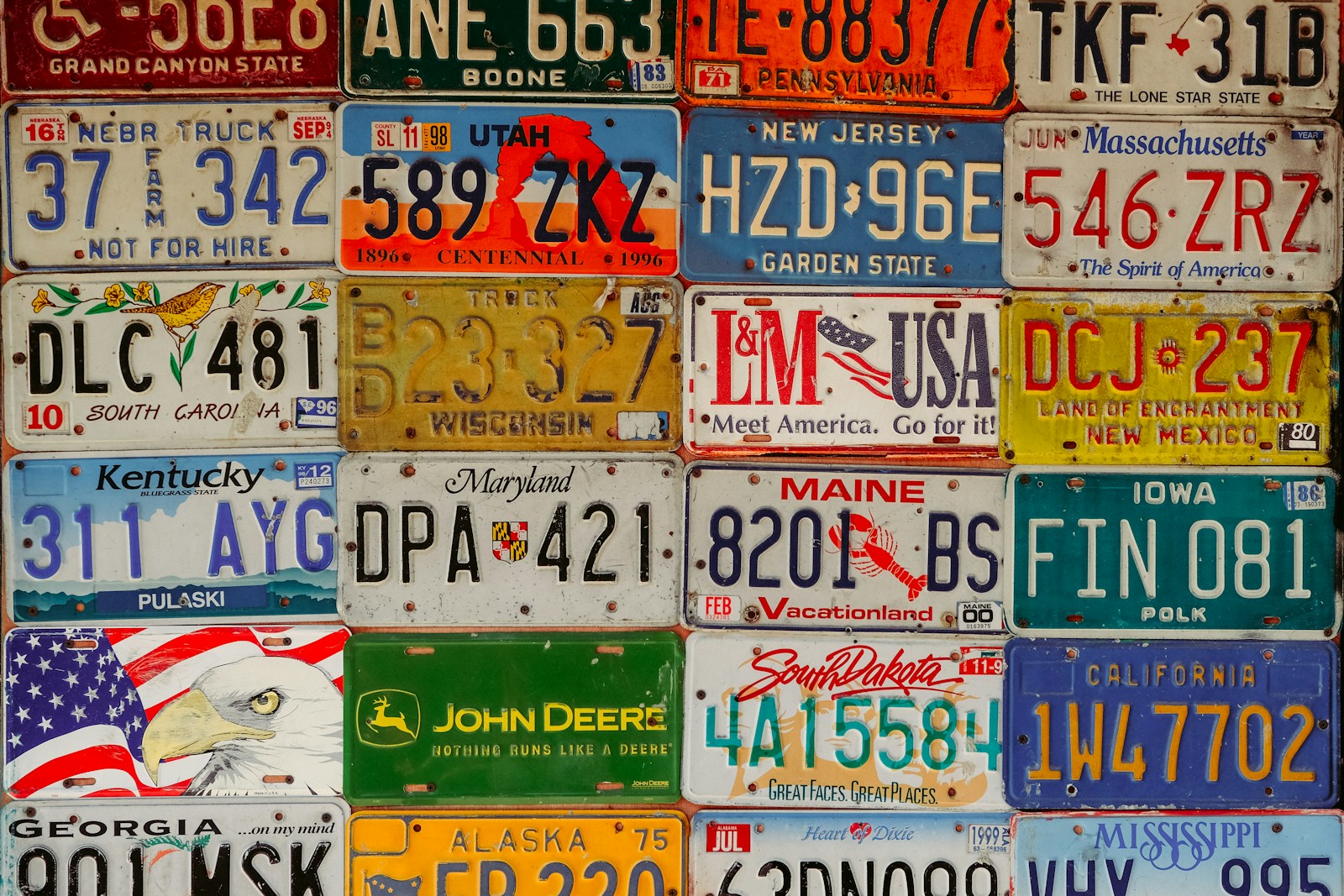
Semyon Borisov, Unsplash

In February 2026, the California First District Court of Appeal held that, at the pleading stage, the plaintiff had sufficiently pled that a parking garage’s failure to publicly display an automated license plate recognition (“ALPR”) usage and privacy policy violated California Civil Code Section 1798.90.51(b).

The case, Bartholomew v. Parking Concepts, Inc., 118 Cal. App. 5th 438 (1st Dist. Feb. 5, 2026), as modified on denial of reh’g (Feb. 27, 2026), review denied (May 13, 2026), has driven a new wave of putative class action filings, plaintiff recruitment campaigns, and investigations into ALPR operators and vendors, including shopping malls, hotels, office parks, and medical centers.

Businesses using an ALPR system, even those that maintain only a single camera or collect ALPR information from only a single, easily avoidable location, may be sued under the statute without sending a pre-suit cure notice. Importantly, a court may award “[a]ctual damages, but not less than liquidated damages in the amount of two thousand five hundred dollars ($2,500),” as well as punitive damages, attorney fees, and injunctive relief. Cal. Civ. Code § 1798.90.54(b).

The ALPR Statute’s Requirements

Under Section 1798.90.51(b), an ALPR system operator must implement a usage and privacy policy that ensures “the collection, use, maintenance, sharing, and dissemination of ALPR information is consistent with respect for individuals’ privacy and civil liberties.” The statute requires various disclosures to be listed in the policy, including why the operator uses the ALPR system to collect information, how and why the operator may share information with third parties, how the operator will ensure the accuracy and security of the information, and how long the operator will retain the information.

The statute does not define the authorized purposes for using an ALPR system nor prescribe how an operator should protect or share ALPR information. Rather, the statute requires transparency: an operator must make the policy “available to the public in writing” and, if the operator has a website, post the policy conspicuously on that website.

Section 1798.90.53(b) also has substantially similar requirements for ALPR end-users with some subtle differences covering the access of ALPR information, the designation of an owner of ALPR information, and the implementation of a process for periodic system audits.

Subsequent Class Action Lawsuits

Following this appellate decision, there has been a noticeable increase in putative class actions filed across California courts. ALPR operators and end-users in high-traffic areas, such as healthcare facilities and retail chains, are particularly vulnerable to inflated class sizes (or mass arbitration actions) due to the potential recoverable statutory damages.

Recommendations for Compliance

Businesses using an ALPR system, whether as an operator or an end-user, should first ensure they have an ALPR usage and privacy policy in compliance with this law. Businesses should also confirm whether vendors receive ALPR information and implement contractual safeguards with them to mitigate any potential violations of this law.

Photo of Alicia A. Baiardo Alicia A. Baiardo

Ali, a partner in the San Francisco office of McGuireWoods, is a commanding commercial litigator trusted by three of the largest U.S. banks and numerous Fortune Global 500 companies to defend high-stakes, multimillion-dollar class actions and other complex litigation. Her practice spans nationwide…

Ali, a partner in the San Francisco office of McGuireWoods, is a commanding commercial litigator trusted by three of the largest U.S. banks and numerous Fortune Global 500 companies to defend high-stakes, multimillion-dollar class actions and other complex litigation. Her practice spans nationwide consumer class actions involving millions of class members, California-wide cases alleging unfair competition, fraud, violation of various consumer protection statutes, complex Ponzi-scheme matters brought against financial institutions, and the rapidly evolving landscape of mass arbitrations. She has a strong track record of successfully representing clients through trial, including defending major national banks in multidistrict class action litigation and individual class actions, skillfully navigating the regulatory implications that often accompany such matters.

Read more about Alicia A. BaiardoEmail
Show more Show less
Photo of Anthony Q. Le Anthony Q. Le

Anthony has a broad array of experiences assisting with compliance issues, regulatory and enforcement matters, internal investigations, and individual and class litigation. His diverse practice helps him achieve the most efficient and practical results for his clients spanning the financial services, technology, automobile…

Anthony has a broad array of experiences assisting with compliance issues, regulatory and enforcement matters, internal investigations, and individual and class litigation. His diverse practice helps him achieve the most efficient and practical results for his clients spanning the financial services, technology, automobile, and retail sectors.

Read more about Anthony Q. LeEmail
Show more Show less
Photo of Payam Khodadadi Payam Khodadadi

Payam graduated from law school in the top 3% of his graduating class. Payam practices in the areas of data privacy and security, restructuring and insolvency, and complex litigation. In each year from 2013 through 2020, Payam was selected by the prestigious Super…

Payam graduated from law school in the top 3% of his graduating class. Payam practices in the areas of data privacy and security, restructuring and insolvency, and complex litigation. In each year from 2013 through 2020, Payam was selected by the prestigious Super Lawyers publication as a “Rising Star.”

Read more about Payam KhodadadiEmail
Show more Show less
Photo of Christian Hochhausler Christian Hochhausler

Christian is an associate in the Financial Services & Securities Enforcement Department. His practice includes both financial services litigation and white-collar litigation. He represents a wide range of clients, including large financial institutions, startups, fintech companies, and aerospace companies. He defends clients at…

Christian is an associate in the Financial Services & Securities Enforcement Department. His practice includes both financial services litigation and white-collar litigation. He represents a wide range of clients, including large financial institutions, startups, fintech companies, and aerospace companies. He defends clients at all stages of litigation in individual plaintiff actions, mass arbitrations, consumer class actions, and government investigations.

Read more about Christian HochhauslerEmail
Show more Show less
  • Posted in:
    Privacy and Cybersecurity, Technology and AI
  • Blog:
    Password Protected
  • Organization:
    McGuireWoods LLP
  • Article: View Original Source

Call us at 1-800-913-0988 or email sales@lexblog.com.

Facebook LinkedIn Twitter RSS
The Library at LexBlog
  • About LexBlog
  • The Field We Built
  • Library at LexBlog
  • Our Beliefs
  • Our Team
  • Contact LexBlog
  • Disclaimer
  • Editorial Policy
  • Terms of Service
  • Get Started
  • Publishing Solutions
  • Compass
  • Submit a Request
  • Support Center
  • System Status
Copyright © 2026, LexBlog, Inc. All Rights Reserved.
Law blog design & platform by LexBlog LexBlog Logo