

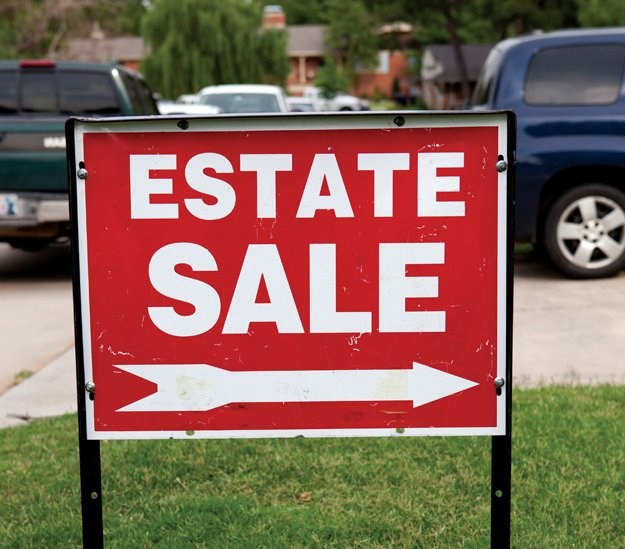
Rachel Stillman arrived at an estate sale and walked into a generational standoff.
Five men in their 20s, hunting for vintage tees to resell, were bickering with an older group over who had earned the first spot in line. When the doors of the west Philadelphia home finally opened after a three-hour stare-down, the resellers crowded around the organizer until she waved them inside.
They burst in, sweeping armfuls of clothes into large IKEA bags, barely stopping to see what they had grabbed. By the time Stillman crossed the threshold, the racks were picked clean.
Fueled by a booming resale market, the estate sale has morphed from a leisurely weekend outing into an elbows-up affair.
Estate sales have been around for centuries. In ancient Rome, creditors liquidated the belongings of deceased debtors. Today, the sales are prompted by what Julie Hall, former director of the American Society of Estate Liquidators, calls the four Ds: death, debt, downsizing, and divorce. The circumstances are somber, the spectacles they create are anything but.
You can pin some of the blame on influencers who have showcased their estate-sale finds, and healthy profits, across social media. The videos have introduced viewers to a world where a $10 painting can sell for thousands, forgotten heirlooms can fund a weekend getaway and suburban garages can hide jewels.
As more shoppers show up hoping to strike gold, competition has intensified.
Justin Cage and Keri Sansevere, who run an estate-sale business, regularly wrangle shoppers high on the adrenaline of scoring a bargain. At a sale they hosted in July, 125 shoppers lined up to rummage through the New Jersey home of Stuart Covit, a software-company executive who is downsizing. Neighbors showed up to complain that attendees had packed the street before dawn.
About 9,000 companies that conduct estate sales are listed on estatesales.net. The site’s 2024 annual report found that nearly a third of surveyed companies were established within the preceding five years.
As the industry has grown, so has the sophistication of the hunt.
Buyers weave through homes with phones held out like compasses. They crouch shoulder-to-shoulder over bookshelves to scan ISBN bar codes or point Google Lens at paintings, furniture and clothes to gauge their worth.
For more information see Grace Yoon “The Full-Contact Sport of Estate-Sale Shopping” The Wall Street Journal, August 9, 2026.