

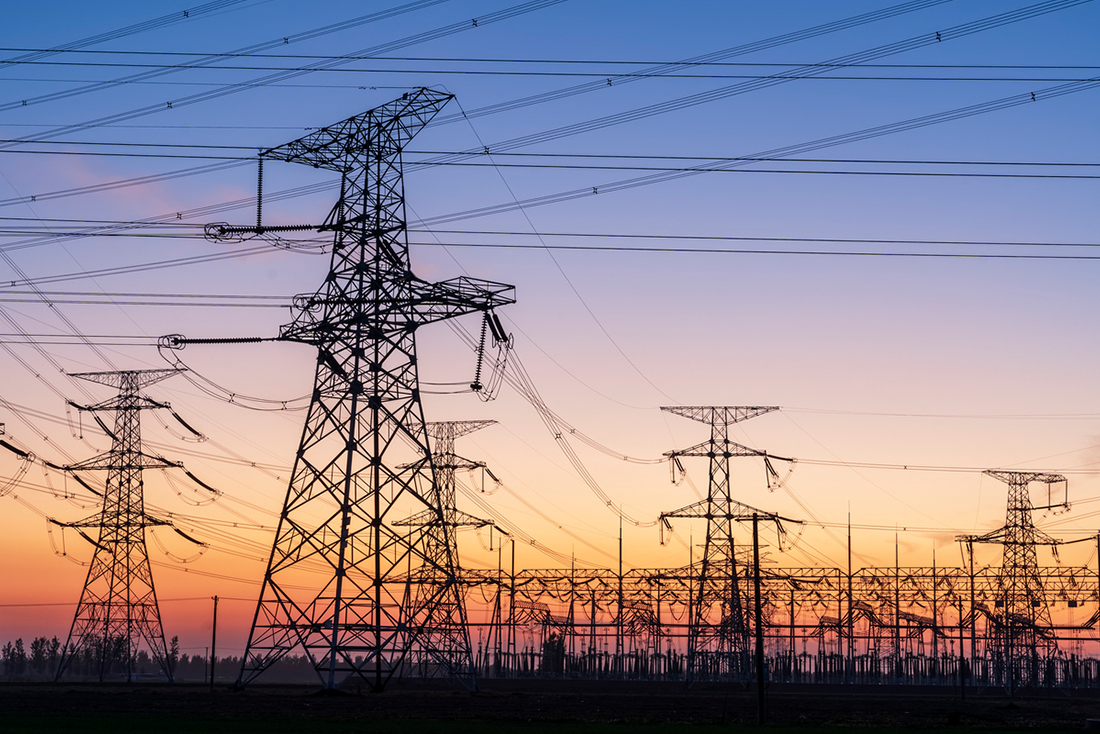
A new executive order declares a national emergency regarding the foreign supply of bulk-power system electric equipment, expanding on prior efforts under President Trump’s May 1, 2020, Executive Order 13920. For suppliers, distributors and purchasers of commercial generators, transformers, inverters, battery storage systems, and related equipment, this order introduces significant compliance considerations that warrant attention. The order singles out the rapid growth of data centers, artificial intelligence, and advanced manufacturing as factors that have magnified the consequences of a potential attack on the bulk-power system.
For companies operating in Texas, the Order is simply an additional layer of regulation to the already enacted Texas Business & Commerce Code Chapter 117, which restricts agreements relating to critical infrastructure from companies connected to certain foreign countries of concern.
What Equipment Is Covered?
The order defines “bulk-power system electric equipment” broadly to include items used in substations, control rooms, or power generating stations. The list explicitly covers:
- Large generators, small generators, and backup generators
- Substation transformers and voltage regulators
- Utility-scale and grid-connected inverters
- Battery energy storage systems
- Uninterruptible power supply systems supporting critical infrastructure
- Protective relaying, metering equipment, and high-voltage circuit breakers
- Industrial control systems, distributed control systems, and safety instrumented systems
Notably, the order also reaches associated software, firmware, remote-access capabilities, and lifecycle maintenance mechanisms tied to covered equipment. Any article not manufactured, produced, or assembled in the United States is “foreign-produced” under the order.
What Is Prohibited?
The order prohibits the acquisition, importation, transfer, or installation of foreign-produced bulk-power system electric equipment where:
- The equipment is designed, developed, manufactured, or supplied by persons owned by, controlled by, or subject to the jurisdiction or direction of a “Covered Foreign Entity”; and
- The Secretary of Energy determines the transaction poses an undue risk of sabotage, supply disruption, or other national security harm affecting the bulk-power system in the united states.
A “Covered Foreign Entity” currently includes any country subject to a U.S. arms embargo or sanctions regime (currently including China, Russia, Iran, North Korea, and others), as well as any country the Secretary determines is engaged in conduct detrimental to U.S. national security. Note: Chapter 117 of the Texas Business & Commerce Code similarly targets equipment and services from companies connected to “foreign countries of concern” — defined to include China, Russia, Iran, North Korea, and Cuba.
Bulk-power system is defined to mean:
- facilities and control systems necessary for operating an interconnected electric energy transmission network (or any portion thereof); and
- electric energy from generation facilities needed to maintain electric system reliability.
For the purpose of this order, this definition includes transmission lines rated at 69,000 volts (69 kV) or more, but does not include facilities used in the local distribution of electric energy.
When is there exposure?
The actions prohibited by the Executive Order apply to transactions initiated after August 26, 2026. However, the true impact of the Executive Order are not yet known as the Secretary of Energy still must publish implementing regulations within 120 days. These rules will identify specific countries, persons, and equipment warranting particular scrutiny — and will establish licensing procedures for otherwise-prohibited transactions. Within 180 days, the Secretary must propose revisions to the Federal Acquisition Regulation prioritizing U.S.-manufactured energy infrastructure.
It is important to consider that the Secretary of Energy may impose conditions on continued use of equipment that was initiated prior to the date of the order, including monitoring, isolation, and even removal.
Key Compliance Considerations:
- Audit your supply chain. Even if your equipment is assembled in an allied country, components such as control boards, firmware, PLCs, or remote-monitoring software sourced from a Covered Foreign Entity could bring the finished product within scope.
- Review your contracts. Existing supply, distribution or purchase orders should be reviewed for force majeure, regularly compliance, and termination provisions.
The Bottom Line
The Executive Order’s prohibitions are triggered by a nexus to Covered Foreign Entities and an affirmative determination by the Secretary of Energy for equipment tied to the larger bulk-power system. For those operating in this space — particularly those selling to data centers and critical infrastructure operators — the compliance landscape is shifting. The time to assess supply chains and engage with the forthcoming regulatory process is now.
Gray Reed’s GRIDS Initiative
Gray Reed’s GRIDS Initiative brings together the legal, business and strategic capabilities needed to navigate Texas’ rapidly growing data center market. GRIDS stands for Government Affairs and Public Relations, Real Estate, Infrastructure, Development and Security (Cyber & Data), combining the experience of Gray Reed, GRPR and Gray Reed Advisory under one coordinated team. Learn more about GRIDS here.