

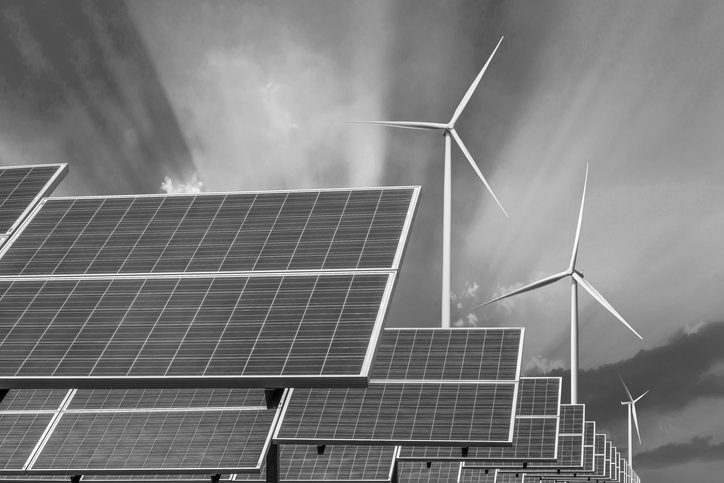
With the inauguration of President Trump as the 45th President of the United States, stakeholders in various sectors of the energy industry have speculated about the future of energy policy in the new administration. While the early days of the administration have seen a clear commitment to the oil and gas sectors with action on the Dakota Access and Keystone XL pipelines, the question remains regarding the president’s anticipated support of the renewable energy sector.
In speeches on the campaign trail, candidate Trump expressed affection for solar but complained about the price of solar power and renewable energy subsidies. While some stakeholders anticipate that the administration will not make tax credits and subsidies for renewable energy development a policy priority, the future of renewable energy development is not as dark as some might predict under the new administration.
Several factors point to continued renewable energy deployment. First, the installed price of many renewable resources continues to decline. In addition, many state level programs remain in place and will drive the deployment of renewable resources on the local level. Moreover, even if the administration backs away from federal programs intended to support renewable energy development, the Public Utility Regulatory Policies Act of 1978 (PURPA) remains in place to require utilities to purchase energy and capacity from certain renewable energy resources.
While first enacted to promote the development of alternative generation resources in the 1970s, PURPA has emerged in recent years to provide legal leverage for developers of renewable energy resources. Indeed, because PURPA requires utilities to purchase the output of a “Qualifying Facility” at a price that reflects the utility’s avoided costs, developers have been assured a price for the output from a project as a matter of federal law. As the price of installed renewable resources continues to drop, the mandatory purchase obligation required by PURPA has become increasingly relevant.
The Trump administration has not taken a position on PURPA, and to date repeal of PURPA has not emerged as a priority for the 115th Congress. Until there is an effort to change the underlying statutory obligation, we anticipate that PURPA will continue to provide a baseline platform for renewable energy development.