

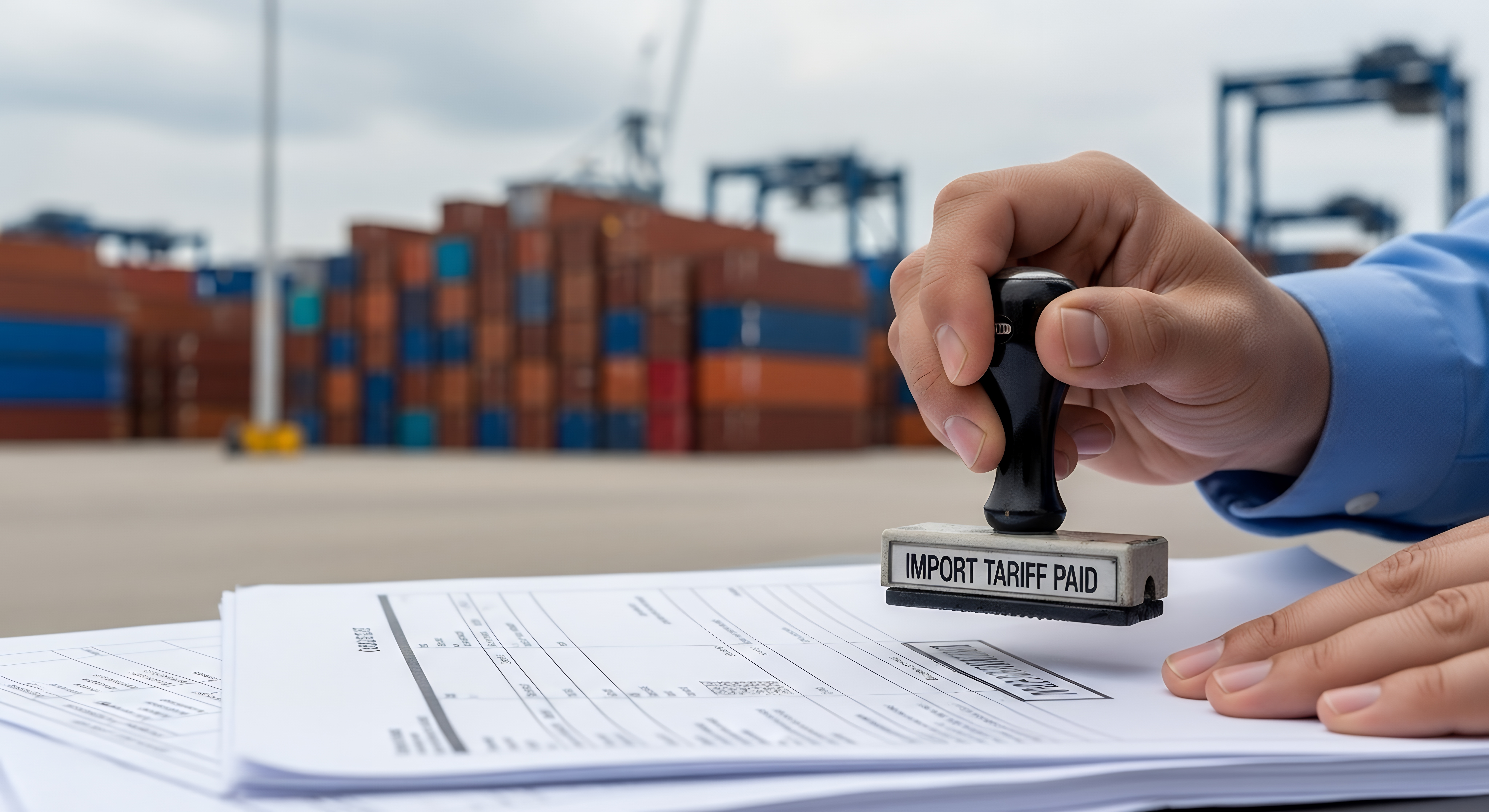
U.S. Customs and Border Protection (“CBP”) issued a Federal Register notice that it is now ready to execute “executing enhanced enforcement procedures.” CBP has indicated that it will start verifying importer of record information provided by each importer on CBP Form 5106, and importers of record have until September 18, 2026, to correct any errors to avoid penalties or other consequences. CBP has stated that if there is any incorrect or inaccurate information on these forms that it may result in the voiding of importer of record numbers, and penalties and other legal liability for importers of record and their brokers.
To provide context, the increased enforcement is viewed as necessary given that the importer of record data is the key identifier that is linked to the liability for payment of duties. CBP is viewing the provision of inaccurate information on the Form 5106 and Form 7501 as material to the assessment of duties and in certain instances penalties. The information that CBP will very also includes the importer’s physical address, which must be the actual address and not a P.O. box, the importer’s email address and the importer’s phone number. All information must belong to the importer, not their broker or other related party. It is important to note that the party certifying the form must take steps to verify the information, and the certifying party may be subject to fines or imprisonment or other legal consequences for making an intentional false statement. If CBP determines that any of the information is inaccurate, CBP will immediately void the associated importer of record number and issue a written Notice of Action to the importer of record to notify them. CBP will copy the customs broker that last filed entry on behalf of the importer of record when issuing the notice. The notice will include information on how to request reestablishment of the importer of record number, and the importer or their broker with power of attorney may contact CBP at IORProgram@cbp.dhs.gov with questions
Under the new enforcement protocols, customs brokers may also be subject to broker penalties or other consequences if they transmit information to CBP that they know is false or misleading. Customs brokers must also have a valid power of attorney with the importer of record that authorizes the broker to submit information to CBP for the importer.
Husch Blackwell’s International Trade and Supply Chain team will continue to monitor and provide updates as they become available. If you have company specific questions or concerns please contact your Husch Blackwell attorney.