

The lawful access debate in Canada has to date focused on privacy concerns such as access to subscriber information, mandatory metadata retention, and international production orders. But there is another dimension to Bill C-22 that has received

The lawful access debate in Canada has to date focused on privacy concerns such as access to subscriber information, mandatory metadata retention, and international production orders. But there is another dimension to Bill C-22 that has received

A California jury’s decision last week to hold Meta and YouTube liable for harms to a young woman’s mental health has been greeted as a watershed moment. Child safety advocates have called it Big Tech’s “Big Tobacco moment.”

Lawful access is back. The decades-long battle has entered a new phase with the introduction of Bill C-22, the Lawful Access Act. This bill follows last spring’s attempt to bury lawful access provisions in Bill C-2, a border

What are the limits of using AI to help run a legal practice? There is much discussion about what an AI future might look like, but with the rapid development of AI tools, the future may be now. The hot

The return of lawful access in Bill C-22 has unsurprisingly focused on the government’s significant shift on warrantless access to subscriber information, which was the headline concern with Bill C-2, the previous lawful access proposal. As noted in my initial

Much of the discussion around the new lawful access bill (Bill C-22) has focused on provisions that improved upon Bill C-2, notably the decision to scrap the warrantless information demand power by requiring judicial oversight for access
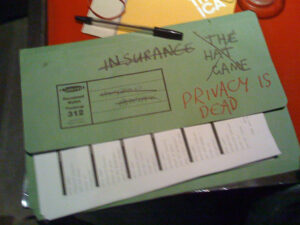
I’ve written extensively about Bill C-4 and the government’s effort to bury political party privacy rules that largely eliminate privacy obligations for federal political parties and apply the new rules retroactively to May 2000. This past week’s Law Bytes podcast
The decades-long battle over lawful access entered a new phase yesterday with the introduction of Bill C-22, the Lawful Access Act. This bill follows the attempt last spring to bury lawful access provisions in Bill C-2, a border

Last spring, the government quietly inserted provisions that exempt political parties from the application of privacy protections in Bill C-4, an “affordability measures” bill. The government barely acknowledged the provision in its study of the bill at the House of

In the wake of reports that AI Minister Evan Solomon may press AI companies such as OpenAI to more aggressively report potential safety risks identified in private chats to law enforcement, attention has quickly turned to the Online Harms Act