

The local news business has spent the past two decades being “saved” by people who mostly seem to want it embalmed. Every new shift in how Americans consume information—websites, social feeds, newsletters, podcasts, short-form video, artificial-intelligence summaries—gets treated less like
Latest from Truth on the Market - Page 12
Robin Hood Carries a Credit Card
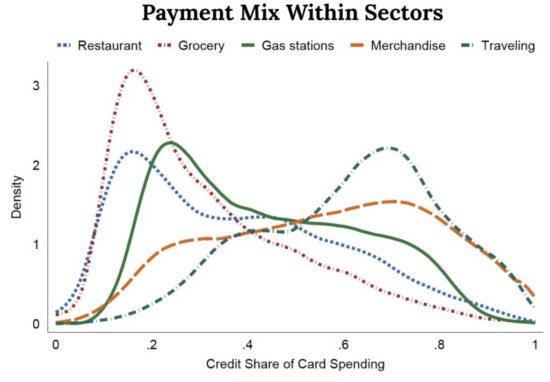
The “reverse Robin Hood” hypothesis is back, wearing a fresh econometric hat and carrying a very large number. The claim is familiar: credit card rewards programs let affluent cardholders pick the pockets of poorer consumers who pay with cash or
You Can’t Regulate a GPU Into Existence
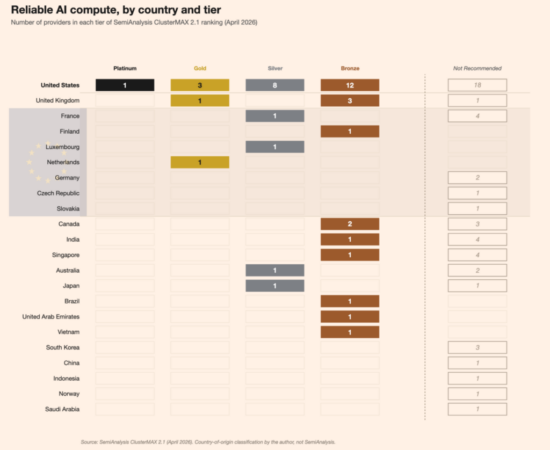
Europe would like digital sovereignty to be a jurisdictional problem. It would be much easier for EU bureaucrats if the path to frontier AI ran through Brussels, could be secured by certification, and depended mainly on where a given cloud
The FCC Wants Final Cut
The government does not need to burn books when it can threaten licenses. Why bother with an inquisitor’s bonfire when a regulator’s raised eyebrow can do the trick?
That is the modern First Amendment problem. Censorship no longer arrives only
The Exit Door Theory of Consumer Finance
Consumer protection often begins with a simple question: Can the consumer walk away? If the answer is no—because switching is hard, data are locked up, markets are fragmented, or new competitors cannot enter—then the problem is not just weak consumer
The Blind Spot Is the Point: Meta’s Incognito Chat and the Future of Private AI
Meta’s Incognito Chat is interesting not because it promises privacy, but because it makes privacy expensive. It limits what Meta can know, what Meta can monetize, and what Meta can hand over later. That is what makes the announcement worth
The European Commission’s ‘Six-Seven’ Theory of Interoperability
If you have been near anyone under the age of 15 in the past year, you may have heard the phrase “six seven” shouted with great conviction and no discernible content. It usually comes with a hand gesture. It means,
‘Raid or Trade? An Economic Model of Indian-White Relations’ by Terry L. Anderson & Fred S. McChesney
The traditional domain of law & economics is the courtroom, the legislature, and the administrative agency. But in their 1994 article, “Raid or Trade? An Economic Model of Indian-White Relations,” Terry Anderson and Fred McChesney took the theoretical
Why Humans Are (Probably) Not Headed for the Glue Factory
There’s a popular argument that AI will do to human workers what tractors did to horses. Tractors could do what horses did. Horses became obsolete. AI can do what humans do. Therefore…
Plenty of major AI figures seem to agree.
‘Punitive Damages as Societal Damages,’ by Catherine M. Sharkey
Catherine Sharkey’s “Punitive Damages as Societal Damages” addresses a tension that has been obvious for decades, but usually treated as an annoyance: punitive damages are justified in public-regarding terms—punishment, deterrence, and condemnation—yet delivered through private litigation and typically