

Two rocket companies walk into an antitrust review. They leave as a de facto monopoly. And somehow, the punchline may be that this was good for consumers, taxpayers, and maybe even competition.
A little context. In 2006, Boeing and Lockheed

Two rocket companies walk into an antitrust review. They leave as a de facto monopoly. And somehow, the punchline may be that this was good for consumers, taxpayers, and maybe even competition.
A little context. In 2006, Boeing and Lockheed
Spirit Airlines was supposed to be the competitor antitrust law saved. Instead, it may become the cautionary tale antitrust law cannot quite avoid.
The carrier’s disappearance has transformed the JetBlue-Spirit merger litigation from an ordinary postmortem into a test case
California has seen the future of work, and Sacramento’s first instinct is to convene 14 task forces about it.
Gov. Gavin Newsom signed Executive Order N-6-26 today, setting California’s workforce agencies in motion on directives involving research reviews, revisions to
The Federal Trade Commission’s (FTC) rulemaking machinery is humming again. Is it being tuned for optimal performance—or revved for another trip into the ditch?
Most of the current action has to do with consumer protection. That’s par for the course,
Regulators keep warning that AI markets are about to be captured by Big Tech. The awkward fact is that AI markets keep refusing to cooperate. Several years into the generative-AI boom, the sector still looks less like a coronation than
The local news business has spent the past two decades being “saved” by people who mostly seem to want it embalmed. Every new shift in how Americans consume information—websites, social feeds, newsletters, podcasts, short-form video, artificial-intelligence summaries—gets treated less like
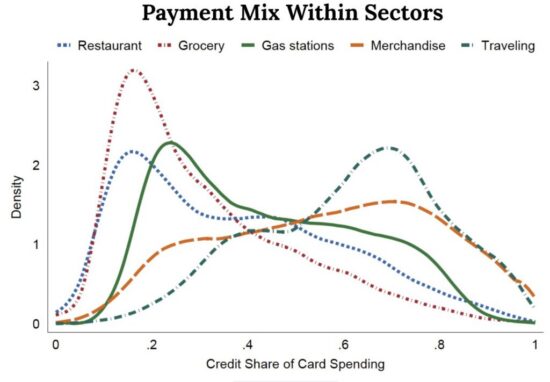
The “reverse Robin Hood” hypothesis is back, wearing a fresh econometric hat and carrying a very large number. The claim is familiar: credit card rewards programs let affluent cardholders pick the pockets of poorer consumers who pay with cash or
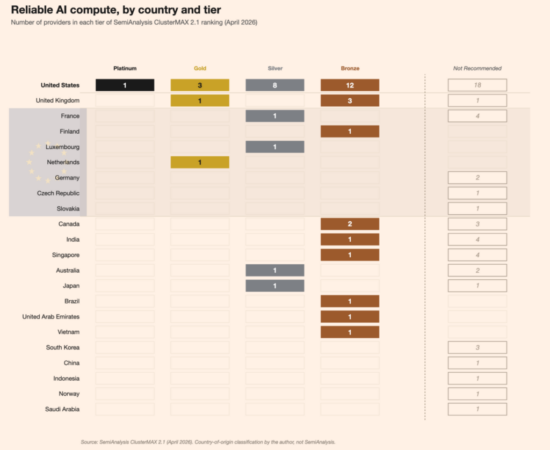
Europe would like digital sovereignty to be a jurisdictional problem. It would be much easier for EU bureaucrats if the path to frontier AI ran through Brussels, could be secured by certification, and depended mainly on where a given cloud
The government does not need to burn books when it can threaten licenses. Why bother with an inquisitor’s bonfire when a regulator’s raised eyebrow can do the trick?
That is the modern First Amendment problem. Censorship no longer arrives only
Consumer protection often begins with a simple question: Can the consumer walk away? If the answer is no—because switching is hard, data are locked up, markets are fragmented, or new competitors cannot enter—then the problem is not just weak consumer