

An employee handbook is one of the most important documents an employer can maintain. It serves as a guide for employees, establishes workplace expectations, and helps ensure consistent application of company policies. A handbook also gives supervisors and managers a
Latest from Agricultural Law & Rural Practice | Solo Small Firm & General Practice Section - Page 2
H-2A Employers Face Potential Backpay Exposure Under Court-Ordered AEWR Changes
On September 2, 2026, the U.S. Department of Labor’s Office of Foreign Labor Certification announced that certain H-2A employers may become responsible for retroactive wage adjustments after the Department adopts a new methodology for calculating Adverse Effect Wage Rates.The announcement
When Can My Child Decide Where They Want to Live?

A guide to Wisconsin custody and placement laws, court-appointed professionals, and how your child’s wishes impact custody decisions.
“Once my son turns 14, he’ll finally get to decide which parent he wants to live with. ”
As a Wisconsin family
How Motor Carriers Can Mitigate Punitive Damage Exposure in Illinois Trucking Litigation

Overview
Article
Amundsen Davis Transportation & Logistics Alert
September 4, 2026
Amundsen Davis Transportation & Logistics Alert
September 4, 2026
A growing trend in Illinois trucking litigation is placing motor carriers under increased legal and financial scrutiny. As plaintiffs increasingly pursue punitive damages against motor carriers, lawsuits are expanding
“I am greatly interested in Roy and like him.”
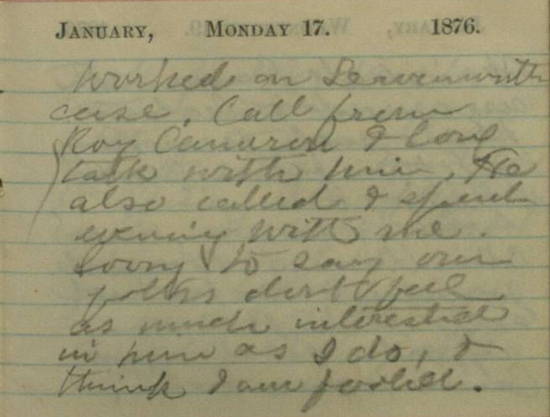
“I am greatly interested in Roy and like him.”Lavinia Goodell, January 1876Lavinia Goodell had a reformer’s nature and throughout her life strove to help those in need, whether it desperate to extricate themselves from abusive marriages or young men who
Weekly Hospital Real Estate Briefing: Nonprofit Hospital Margins Tighten | Corewell Unveils $1.7B Expansion | Hospital Land-Banking Continues
Indiana Court of Appeals Reverses Temporary Commitment Where Evidence Did Not Establish Grave Disability
The Indiana Court of Appeals (the “Court”) reversed a trial court’s temporary commitment order, holding the evidence did not clearly and convincingly establish the patient was gravely disabled. Although the evidence supported the patient suffered from mental illness and exhibited
Non-Compete Agreements Under Wisconsin Law 101
A non-compete agreement is one of the most significant employment-related documents an employer may ask an employee to sign. It can help protect customer relationships, confidential information, trade secrets, goodwill, and other legitimate business interests when an employee leaves the
Wisconsin Supreme Court opens term with case of child charged in adult court

CMS Changes to Graduate Medical Education in 2027 IPPS Final Rule
On August 4, 2026, the Centers for Medicare & Medicaid Services (“CMS”) published the Fiscal Year (“FY”) 2027 Inpatient Prospective Payment System (“IPPS”) Final Rule (the “Final Rule”), which can be found here. The Final Rule is effective October