

Noting that impersonation scams have topped the list of consumer fraud complaints reported to the FTC in recent years, the commission is considering whether to update its Rule on Impersonation of Government and Businesses or take other action to prevent
Latest from Consumer Finance Monitor
California Enacts Sweeping New Regulation of Commercial Financing

California has once again expanded its regulation of financial services. On September 30, 2026, Governor Gavin Newsom signed Assembly Bill 2116, which will subject a broad range of commercial financing providers and brokers to licensing, substantive conduct requirements, and
Calling payment processors ‘crucial intermediaries between businesses and consumers,’ FTC cracks down on two companies
Saying that taking action against payment processors is an effective way to reach foreign and domestic businesses that scam consumers, the FTC has announced it has settled with two such processors, Nuvei and Humboldt Merchant Services.
“Payment processors are crucial
Podcast Release: What Are Class Action Waivers Worth? A New Study Looks to the Stock Market for Answers

For decades, the debate over arbitration agreements and class action waivers in consumer financial services contracts has largely played out in courtrooms, before regulators and Congress, and in academic journals. Advocates and critics have debated issues ranging from consumer access
Washington, D.C. bans medical debt from credit reports
Legislation that prohibits a health care provider or debt collector from reporting medical debt to credit reporting agencies has become law in Washington, D.C.
The legislation became law without the signature of Mayor Muriel Bowser, who said she supported the
OCC Moves to Dismiss Multistate Challenge to Mortgage Escrow Preemption Actions
The Office of the Comptroller of the Currency (OCC) has responded to the multistate lawsuit challenging its recent actions concerning mortgage escrow accounts with a motion that presents a merits argument as well as three distinct procedural paths: dismissal, transfer,
Supreme Court Takes Next Step Toward Resolving National Bank Act Preemption Split, Inviting Solicitor General’s Views in Cantero, Conti and Kivett
The Supreme Court yesterday took an important step toward resolving the growing uncertainty over the scope of National Bank Act preemption. In an order issued October 5, the Court invited the Solicitor General to file briefs expressing the views of
Trump’s AI Accord: Can Voluntary Self-Regulation and Independent Audits Protect Against Frontier AI Risks?
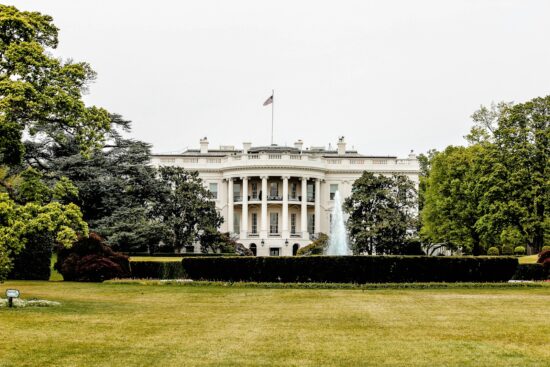
On September 29, President Trump brought together many of the leading executives in artificial intelligence for a White House meeting focused on the risks associated with increasingly powerful “frontier” AI systems. The meeting produced a one-page document entitled the “
ICBA Sues OCC Over Crypto National Trust Bank Charters: A Significant Challenge to the OCC’s Chartering Authority
DOJ issues Corporate Enforcement Directive
Summary
On October 1, 2026, Assistant Attorney General Colin M. McDonald of the Department of Justice (DOJ) National Fraud Enforcement Division issued Directive 26-12 on corporate enforcement. The directive identifies four priority areas and instructs prosecutors to give “great weight”