

On October 14, 2026, Vermont Attorney General (AG) Charity Clark announced a settlement with UniFirst based on allegations that the company did not comply with Vermont’s auto-renewal law.

On October 14, 2026, Vermont Attorney General (AG) Charity Clark announced a settlement with UniFirst based on allegations that the company did not comply with Vermont’s auto-renewal law.
In this episode of Regulatory Oversight, Ashley Taylor and Clayton Friedman, co-leaders of Troutman Pepper Locke’s State Attorneys General (AG) team, welcome Democratic Attorneys General Association (DAGA) President Sean Rankin for a wide-ranging look at the 2026 state

On September 17, 2026, 20 state attorneys general (AGs) led by Alabama AG Steve Marshall issued a letter to the federal government concerning Chinese-sourced ingredients in compounded GLP-1 drugs and peptides. Addressing their letter to Secretary of State and National

A final court order does not necessarily mean an end to the involvement of state attorneys general (AG) in an enforcement action. As a recent filing shows, state AGs are now treating failure to comply with post-judgment permanent injunctions as

I. Introduction: The Rise of State-Level Junk Fee Enforcement
The national conversation about so-called junk fees — charges hidden until the final stage of a consumer transaction — has accelerated dramatically over the past three years. Federal regulatory efforts have
Eight state attorneys general (AGs) filed separate but coordinated lawsuits against OpenAI on October 14, alleging that the company misled consumers about ChatGPT’s safety and failed to adequately protect children and other users from harmful interactions.
On September 18, 2026, the Department of Justice (DOJ) issued two significant updates to the Justice Manual affecting False Claims Act (FCA) enforcement. First, DOJ attorneys are now required to affirmatively assess whether dismissal of a qui tam action serves
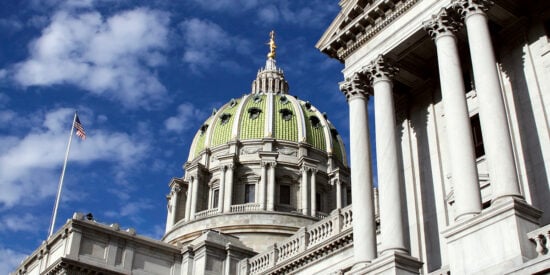
On October 8, Pennsylvania Attorney General Dave Sunday announced that his office may begin enforcing the commonwealth’s new electronic nicotine delivery system (ENDS) directory starting October 19. Pursuant to Pennsylvania’s Act 57 (72 P.S. § 206-1), importers, wholesalers, and retailers

On October 2, 2026, the Federal Trade Commission, and the attorneys general of Utah and Nevada, sued online contact lens retailer Lens.com, alleging that the company advertised contact lenses at prices significantly lower than what consumers ultimately paid after

Health care market pressures and the evolving role of state enforcement were the focus of a recent National Association of Attorneys General (NAAG) Eastern Region meeting. Tracy Wertz, chief deputy attorney general (AG) of the Antitrust Section in the Pennsylvania