
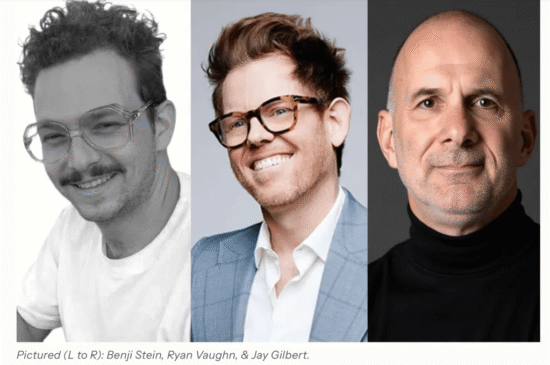
Check out a great discussion from our friends at Hypebot: The latest panel from MusicPro ’26 offers a useful snapshot of where “artist growth” advice stands heading into 2026—and where it may still be missing the mark.
In this Hypebot

Check out a great discussion from our friends at Hypebot: The latest panel from MusicPro ’26 offers a useful snapshot of where “artist growth” advice stands heading into 2026—and where it may still be missing the mark.
In this Hypebot
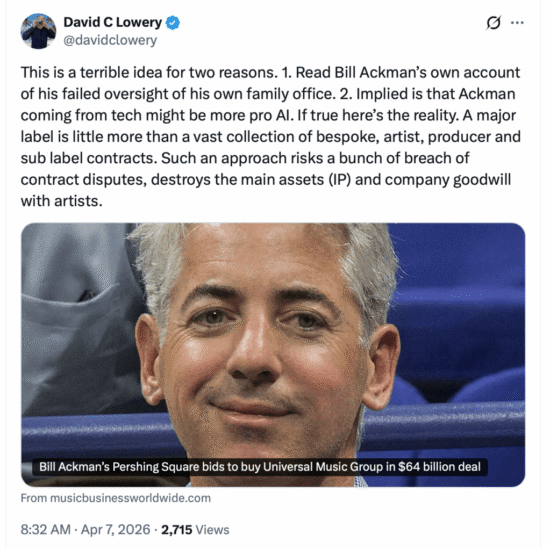
American performers still don’t get paid for European radio plays. SoundExchange says it’s time to enforce national treatment globally.
California lawmakers are targeting speculative ticketing—resale listings for tickets the seller does not actually possess. Assembly Bill 1349 would treat selling tickets you don’t have as a deceptive practice and allow state and local enforcement.
A “smash-and-grab” wave is hitting music: unauthorized AI platforms are recutting and reselling human creativity at industrial scale, flooding services with AI slop, diluting royalties, and raising fraud risks. Artists must distinguish responsible, consent-based AI from exploitative systems that appropriate
Streaming platforms may claim neutrality toward AI-generated music, but the economics tell a different story. If AI tracks enter the royalty pool without corresponding licensing or compensation obligations, they dilute payouts to human creators while increasing platform leverage. As generative
What looks like innovation can sometimes feel eerily familiar. Suno’s generative music engine evokes Orwell’s 1984 “versificator”—a machine built to mass-produce culture without human experience behind it. When music becomes infinitely reproducible, expression risks turning into simulation, authorship blurs, and
After years of just talk, there is new momentum federally and in the states to fix how concert and event tickets are sold and resold. California AB 1349 confronts what David Lowery calls “one of the most corrosive practices in
Artist JL Cook says, “I have experienced mass copyright infringement. Personally, I felt incredibly violated; in many ways, my work IS my identity. As an Artist, my work IS my brand and MY reputation.”
Stealing isn’t innovation. It’s just stealing, with a press strategy.