

 I have recently had some interesting, and heated, conversations with various folks about the current state of the US’s food system. Everything from prolific foodborne pathogens, like E. coli and Salmonella, to widespread obesity and environmental degradation issues can be traced in some profound way to our highly industrialized food system. What does this system mean for our long-term health? How can we shift to a more sustainable, healthy food system when a majority of Americans are priced out of healthy food options and instead caught up in a dangerous cycle of cheap, buy-five-for-five fast food items to feed a family?
My attention was therefore caught in the check-out line at the grocery store by Time magazine’s recent cover story, “Getting Real About the High Price of Cheap Food.” The writings of the author, Bryan Walsh, along with others like Eric Schlosser and Michael Pollan, are hopefully starting a dialogue in the country and abroad about the incredible damage, on many fronts, that “cheap food” is having on our lives.
Bryan’s article starts off with an effective kick-to-the-gut summary of the life and care of a typical US-raised pig that will likely end up as a piece of bacon next to someone’s breakfast pancake. I’ll let you digest this little snippet before you head over to Time.com and read the full article.
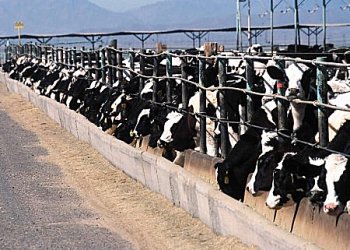
Somewhere in Iowa, a pig is being raised in a confined pen, packed in so tightly with other swine that their curly tails have been chopped off so they won’t bite one another. To prevent him from getting sick in such close quarters, he is dosed with antibiotics. The waste produced by the pig and his thousands of pen mates on the factory farm where they live goes into manure lagoons that blanket neighboring communities with air pollution and a stomach-churning stench. He’s fed on American corn that was grown with the help of government subsidies and millions of tons of chemical fertilizer. When the pig is slaughtered, at about 5 months of age, he’ll become sausage or bacon that will sell cheap, feeding an American addiction to meat that has contributed to an obesity epidemic currently afflicting more than two-thirds of the population. And when the rains come, the excess fertilizer that coaxed so much corn from the ground will be washed into the Mississippi River and down into the Gulf of Mexico, where it will help kill fish for miles and miles around. That’s the state of your bacon — circa 2009.
I don’t know about you, but I’m compelled to make another grocery store run and stock up on fruits and veggies.