

In this day of Blackberries and iPhones, one of the best communication tips I have ever heard was at the American Bar Association, Forum on the Construction Industry’s fall meeting in Philadelphia a few months ago. Since we live in world of mobile communication and technology, you have to assume that everyone else is on the same mobile playing field and are working on-the-go. What does that mean?
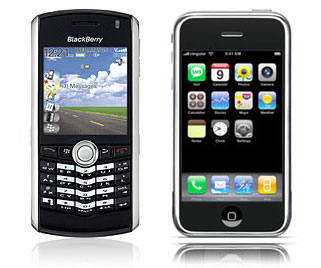
Christine McAnney explained that as general counsel for a large construction company, Balfour Beatty Infrastructure Inc., she is pulled in all directions. On some days, she will be tied up in depositions, while other days she is traveling to meetings across the country. Given her on-the-go career, it helps that messages sent to her mobile device actually explain what is attached to the email. In other words, when sending an attachment, you should do the following:
- Do not use “FYI” … This assumes that the recipient knows what the email string involves and what has transpired prior to this particular email. You don’t have to write a novel about the attachment, but include more than an “FYI.”
- Explain what the attachment is … “Attached is a copy of the draft change order language from ABC Development Co. on the USA Zoo project.” Since many construction contracts are lengthy and legal pleadings are voluminous, it is often impossible to download the full attachment and actually read it on a mobile device.
- State whether the matter is urgent or whether you need a response … The owner will be out of town for a week so we do not need to respond immediately. Again, if the attachment is a letter from the opposing party that requires an immediate response, then you should say so in the email. Don’t assume that your recepient can or has read the attachment.
You may think these tips are no-brainers, but they have changed the way I communicate with my clients over the last month. For example, I regularly sent the “Please see attached” emails to my clients without even thinking that the email was sent to a Blackberry or iPhone (…even though I carry my phone everywhere and expect the same communication from my assistant …) Thanks to Christine, I am taking the extra minute to explain my attachments and include a response line.
How about you? Do you have any tips for communicating in the digital age?