

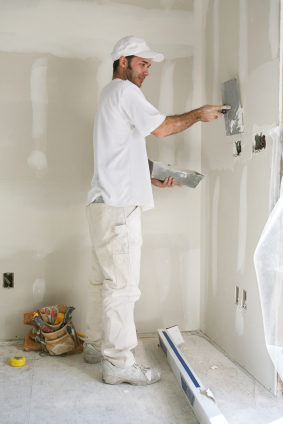
 To follow up on a series of prior posts, the Internal Revenue Service will now allow taxpayers with defective drywall to deduct the cost of repairs and replacement of damaged appliances in the year in which the loss occurred. In Revenue Procedure 2010-36, the IRS has, however, imposed certain restrictions which include that the losses are not compensated by insurance or other parties and the taxpayer must itemize their federal returns to claim the deductions (which are allowed only on amounts that exceed $500 and ten percent of the taxpayer’s gross income for the year).
A taxpayer can claim the full tax break, provided they have no pending claims for reimbursement (and do not intend to file for any). For those taxpayers with pending claims, a loss for 75% of the unreimbursed amount can be claimed.
In related news, the importers, manufacturers and distributors of Knauff Plasterboard Tianjin drywall have entered into a settlement with over 300 homeowners in four states. The Agreement, approved by a New Orleans federal judge, will cause Knauff and related firms to remove and replace the company’s drywall, the electrical wiring, gas tubing and appliances, as well as paying relocation expenses while the homes are being repaired (which repairs are expected to take several months to complete). The cost of such repairs is estimated to be about $150,000 for a 2,500 square foot home. This settlement (a product of a special committee appointed by a federal judge) is seen as a possible model for the resolution of other pending state and federal lawsuits.
One area to watch going forward, however, is the possibility of additional claims regarding health concerns. The settlement does not preclude future suits concerning potential adverse health effects of the drywall on residents, as the parties agreed to table that issue to resolve the home repair aspects of the lawsuits.