

Music and law experts explain how to reuse original compositions while staying in the legal clear.
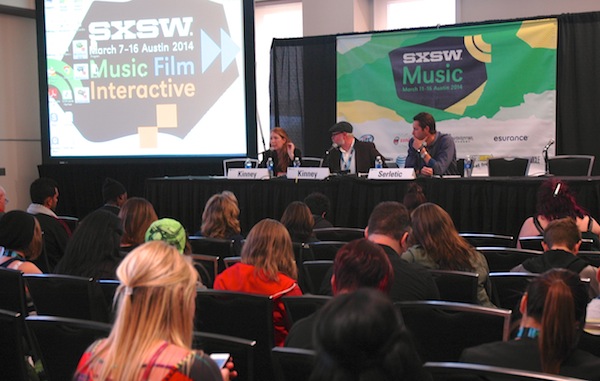 The take-away from the South by Southwest Music Festival panel titled “Remixing, Mashups, and Copyright Law,” was to play it safe when creating derivative musical works. Panelists included Christiane Kinney, musician and partner in the LeClairRyan law firm’s Los Angeles office; Sean Kinney, a music and film industry consultant; and Dean Serletic, head of marketing and licensing for Music Mastermind Inc. All three stressed to the audience of artists, producers, and a handful of attorneys to obtain a license if wishing to distribute a remix of an existing song or a mashup of several songs and/or videos. If the license is for using just a portion—however small or large—use just that part of the original and nothing more. And don’t even think about claiming the Fair Use Doctrine to support non-licensed remixes or mashups.
Serletic pointed out that, at one time, the music world only occasionally featured remixes and mashups. But with technology’s rise, the changing trends in musical sound, and relatively inexpensive home recording equipment, these creations are now much more common. Many amateur users who post their reinterpretation of songs and videos to YouTube have no idea that there is a law regulating such actions. Still, some of these uploads are flagged and removed. After all, YouTube enables its users to make money from advertisements on their page, so there is revenue being generated from the original owners’ content.
While he believes the music industry should accept that art sometimes relies on existing work to create reinterpretations, which can have significant impact, Serletic added that he would like general consumers and recreating artists to understand who owns the composition. Both parties need to openly negotiate—and do so before the reused work is distributed in a public way, which gives the re-creators more bargaining power. When this happens, Serletic said, both sides win because content is being purchased fairly and derivative works can be shared freely.
Panelist Christiane Kinney noted that indie musicians looking to license their work for usage in a remix, mashup, commercial, movie, etc., should request reasonable royalties. Apparently, many indie artists request higher payments than The Rolling Stones request for usage of their rich body of work. Sean Kinney added that the creators of derivative works must ensure that they too have contracts on the derivative work to include anybody and everybody that had a role in producing the end product.
A less desirable course to take when remixing or mashing original compositions is to distribute the derivative work without obtaining licensing beforehand and then claiming that this action was legal under the Fair Use Doctrine. Christiane Kinney called this “an excuse for copyright infringement.” For more information, go to Christiane Kinney’s entertainment law blog at musicalredhead.com.