

In a quiet move last week, the FAA made an important revision to the requirements for commercial unmanned aircraft system (UAS), or drone operations, that may signal a significant policy change.
Every day, industry is finding new and exciting commercial uses for drones. Here in the U.S., private commercial UAS operations are, for all practical purposes, banned unless the operator receives what is called “Section 333 Exemption” issued under the FAA Modernization and Reform Act of 2012. These exemptions have been issued for a wide spectrum of commercial applications, including things such as disaster response, construction site monitoring, and news-gathering activities.
Section 333 exemption approvals include a long list of requirements that apply to UAS operations flown under their authority. To industry, one of the most burdensome of these limitations is the requirement that flights occur at least 500 feet away from unsheltered people not involved in the flight operation. This condition makes it extremely difficult for any company – whether a newsgatherer, architect, engineer, or other – to conduct UAS operations near populated suburban and urban environments.
Buried deep within a Section 333 amendment approval issued to Kansas State University (KSU) last week, the FAA made a key change to this requirement that may signal a welcome shift in policy involving UAS operations in suburban and urban areas. In the KSU amendment, the FAA changed the set-off distance requirements to allow KSU to conduct flight operations over and near people participating in UAS flight training. Accounting for safety considerations, the new limitations ease the 500 foot set-back requirements from people. This is an appropriate step for the FAA to take.
Historically, the FAA has granted film and TV production companies special exemptions that allow them to fly aircraft closer than 500 feet to people participating in a filming operation. Prior to the change made last week, the FAA only permitted these types of operations in the closed set filming context.
For example:
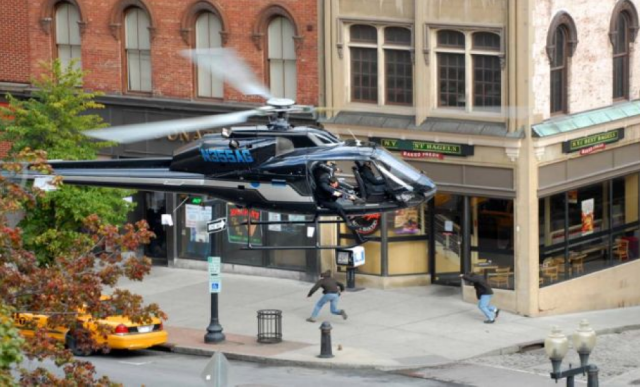
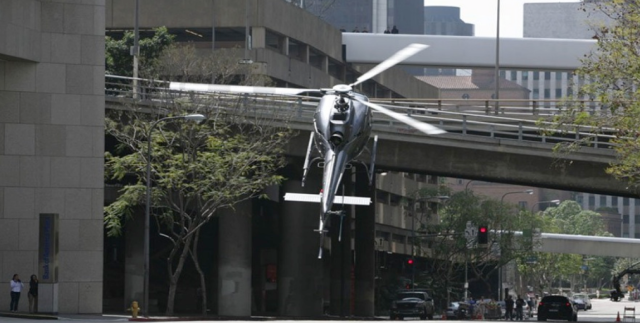 Source: Astraeus Aerial – Exemption/Rulemaking (Docket No. FAA-2014-0352-0001)
Under the set-off requirements granted KSU, a broad range of commercial operators would be able to operate their UAS in situations analogous to a film set, where proper protections have been incorporated into operations.
If adopted more widely, this policy shift could significantly expand the scope of where commercial UAS operators may fly. The FAA is currently in the process of issuing rules for small UAS operations, and the FAA has stated that the Section 333 Exemption process is intended to inform that process. While it is unclear whether these new requirements will be limited to flight schools like KSU, or whether they could apply generally to all exemption holders and petitioners who request them, we sincerely hope that this change signals a policy shift that will inform the FAA’s final small UAS rule – and enable safe UAS commercial flights in suburbs, towns and cities across America.