

The divide between the common law and the civil law tradition is the transnational attorney’s greatest conundrum, greatest source of consternation, even the greatest inhibitor to fair & equitable dispute resolution in global commerce. And it is not going away. As such, at least a basic understanding of the differences is critical. Call this the super-simplified Cliff’s Notes version of Comparative Law, if you didn’t have the chance to take the course in law school.
Common Law
American lawyers, along with our fellows in England and her former colonies, are trained almost exclusively in the common law. In this august tradition, legal concepts evolve over time through a succession of judicial opinions. Of course, legislative action is ostensibly the basis for legal interpretation, but the very broad areas of contract, property, and tort arose primarily from centuries of court-issued holdings.* Statutes, in large measure, serve to codify or modify concepts established through the evolution of English jurisprudence—if not via binding precedent, then through easy-to-adopt persuasive precedent handed down by sister courts in other jurisdictions. Even where legislative acts provide the basis for a legal concept, courts themselves interpret statutes according to their own rules of construction.
Civil Law
Conversely, our counterparts in the non-English-speaking world operate in the civil law tradition, based on the Napoleonic Code. In this system, labyrinthine statutory language covers every manner of legal concept from marriage and inheritance to faulty wiring and landlord-tenant relations. Code language is interpreted not by judges themselves, but by legal scholars—literally law professors who are consulted by courts for guidance in determining the meaning of statutory text.
To be sure, “civil law” in this context should not be confused with the concept of civil actions in the U.S. The Napoleonic system operates in both criminal law and that which we would term “civil” litigation.
Although differences between the systems are many, the greatest single contrast, and the one that most vexes American lawyers—is that between the common law’s adversarial tradition and the inquisitorial system of civil law. In the common law, attorneys investigate, interrogate, and argue facts. In the civil law, inquiry lies within the purview of the judge.
Because of this dramatic difference in the respective roles of attorneys and judges, we have a hard time understanding each other, and frustration abounds, especially when a common law (read: American) attorney seeks to serve process or compel foreign evidence.
When a common law lawyer seeks to serve process, all she needs to do is hire a process server—a private agent who specializes in the matter. It’s quick, it’s inexpensive, and it’s straightforward.
In civil law systems, though, service of process is a sovereign function of the court, and must be carried out by a judicial officer akin to a bailiff or sheriff’s deputy. In some countries, notably China, delivery of a summons by a private agent is a criminal offense, a usurpation of the court’s authority.
As such, American litigants cannot simply hire a detective in Berlin or Beijing to serve documents. Even in France or the Netherlands, which are slightly more permissive, U.S. litigants must still have personal service effected by the judicial officer. This should not cause alarm, however, as most U.S. procedural rules allow a plaintiff reasonable time to utilize foreign mechanisms.
Simply put, attorneys in civil law jurisdictions don’t ask questions—they make legal arguments before the court—and it is up to the judge to inquire about facts. Accordingly, foreign judges often view American discovery requests not only as overly-intrusive, but also as a usurpation of their authority.
Common law judges and lawyers, conversely, feel stymied by the refusal of civil law courts to compel the production of evidence deemed crucial by litigants.
Fortunately, an understanding can be established through very careful crafting of requests to foreign authorities, but it must be done with complete recognition of what drives foreign law.
Ultimately, the civil and common traditions are really two pathways to the same destination, or at least, two means of striving for the same goal. The most glaring differences are procedural in nature. Once they are understood and accommodated, disputes can be resolved with less headache and heartache.
*In the 1970s, Schoolhouse Rock was a great starting point for civics education. But it failed to provide a full picture of the sources of law– the title of the most memorable was “How a Bill Becomes a Law.” It was not “This Is the Only Way Laws Happen”. Sadly, the cartoon that made me want a life in politics is the same cartoon that has obliterated basic civics in America. What was then a starting point is today considered the final exam.
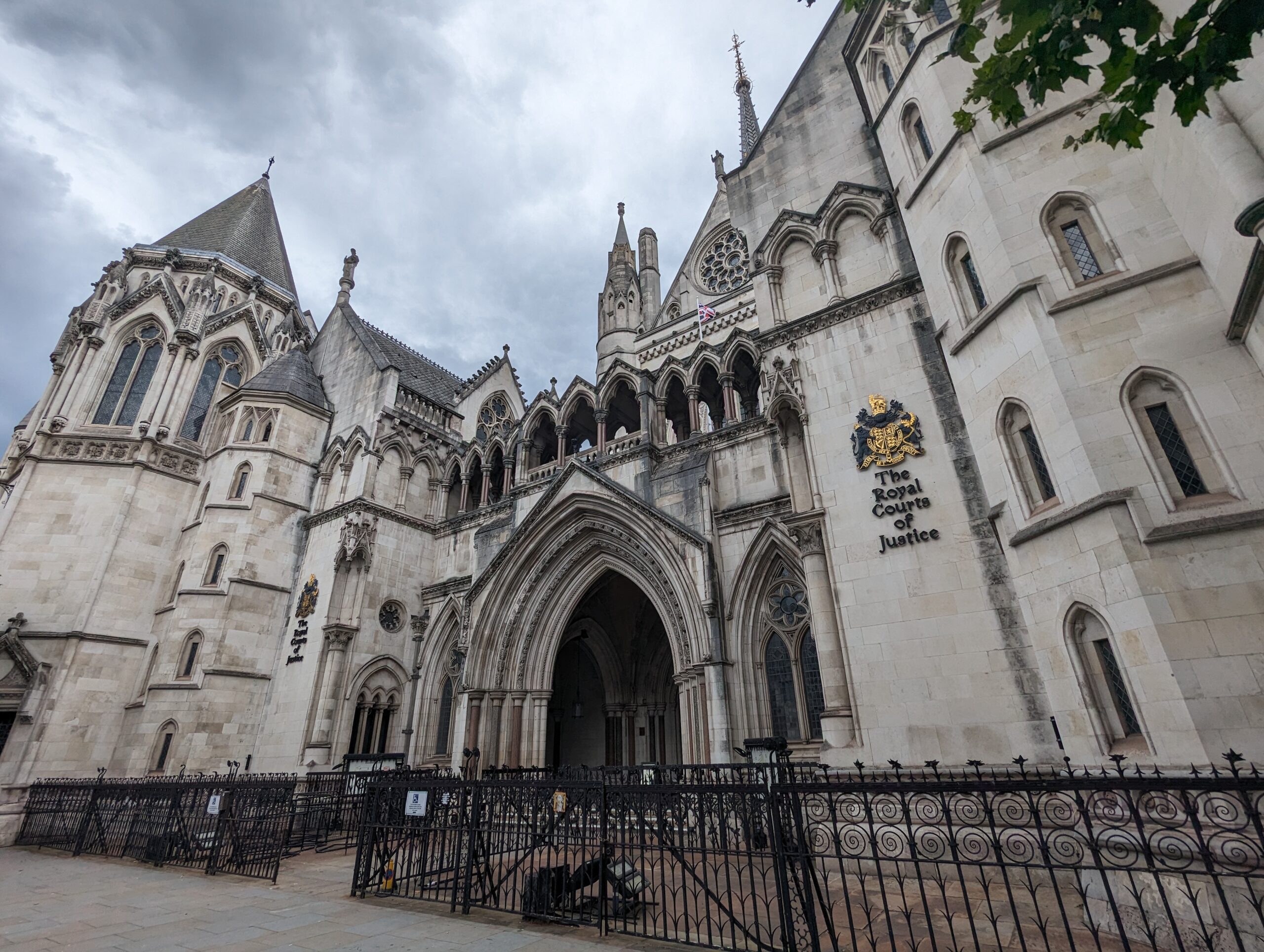
Image: The Old Bailey, London, courtesy geograph.org.uk, via Wikimedia Commons.