

I previously blogged about the importance of using daily reports to prove construction claims.
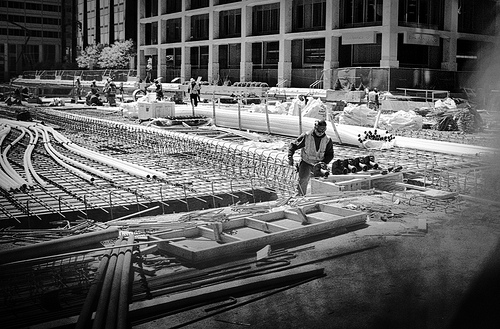
In addition to daily reports, the following records should be prepared and maintained in the normal course of business to help prove claims and effectively manage the project:
- Correspondence file containing all correspondence relating to a specific claim, including letters and/or memoranda to and from the DOT and subcontractors.
- Meeting minutes and internal memoranda concerning the claim should be maintained in order to document attempts to resolve matters with the DOT and its representatives.
- Plans and specifications, including all amendments, details, clarifications, and options of the owner concerning the plans and specifications.
- Change/work order file showing all changes or work orders requested with regard to the particular aspect of the work that is the subject of the claim.
- Schedules, including the as-planned and updates.
- Job photographs and videotapes, for both status of work in place and possibly evidence of the conditions leading up to the change.
- Subcontractor and/or supplier files documenting all dealings between the contractor and the subcontractor concerning the area of the claim.
- Miscellaneous evidence file containing all other evidence that could help support the claim, such as inspection reports, completion schedules, projections, flow charts, work progress, accident reports, photographs, etc.
- Job cost records, which will be critical to showing the additional costs incurred.
If a contractor expects to seek additional compensation for an encountered condition, it should create an additional job cost category describing the extra work. Once the new cost category is created, the supervisor responsible for completing the daily report should assign all additional labor and equipment hours to the newly created cost code. Where an unforeseen condition creates additional work not included in the original contract, recording labor and equipment hours is quite easy. On the other hand, when unforeseen conditions create no new work, but rather, take the form of impeding a crew’s progress, the recording task becomes more difficult.
Image: Tanzer18