

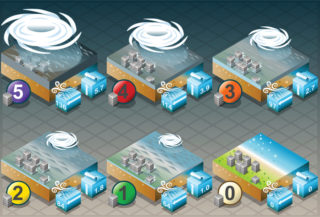
 Recent damage from Hurricanes Harvey, Irma, and Maria have focused attention on special “named storm” and “hurricane” deductible endorsements found in most property insurance policies issued for coastal areas. Such endorsements typically convert the insured’s deductible from a fixed amount to a percentage of the property value, such as 1, 2, 5, or 10 percent, for damage caused by certain categories of storms. These percentages are usually taken from the insured value of the property, not merely the amount of damage, so when triggered the endorsement can result in a substantial increase in the out-of-pocket cost for the policyholder.
Several names are used for these endorsements. “Hurricane” deductibles generally apply when a storm has been designated a hurricane by the National Weather Service. “Named Storm” deductibles are broader and include declared tropical storms. “Windstorm” deductibles are the broadest of all and may apply to damage caused by almost any high wind weather event.
Circumstances triggering the deductible can vary significantly depending on the policy and state in which the insured property is located, so the individual policy language and state regulation must be reviewed to determine when the deductible applies. ISO Commercial Property Endorsement CP 03 25 (“Named Storm Percentage Deductible”), for example, provides that a “Named Storm” begins at the time the National Weather Service issues a watch or warning for the area in which the insured premises is located, and ends 72 hours after the termination of the last watch or warning issued for that area.
In some states, regulations have altered the circumstances for triggering the deductible by mandating the scope and duration of a “hurricane.” For example, Florida defines a “hurricane” for residential property insurance purposes as beginning at the time the National Weather Service issues a hurricane watch or warning for any part of Florida and ending 72 hours after the termination of the last hurricane watch or hurricane warning anywhere in the state. Because of the broad scope of this definition, policyholders in some areas may pay a “hurricane deductible” even though the insured property was never subjected to hurricane-force winds.
Where the insurer contends that a percentage deductible applies on account of a hurricane or tropical storm, policyholders should carefully review the policy language and insurance regulations in their state, as well as the actual conditions that caused property damage, to determine if there is an argument against the increased deductible.