

 Large projects tend to generate complaints from neighboring residents and businesses during construction. How a contractor deals with those complaints can be critical to a project’s overall success. Concerns can vary from minor noise complaints to more serious trespass and nuisance complaints regarding hazardous and non-hazardous construction materials. Regardless of the nature of the complaint or issue, a knowledgeable contractor can likely avoid or mitigate any potential fallout by being proactive and following these tips:
Don’t ignore complaints.
If you receive a complaint from a neighboring resident or business, make an effort to investigate and resolve the issue promptly. You shouldn’t admit fault, but you should try and work with your neighbor to find an amicable solution. This approach can help avoid turning a minor issue into a major problem.
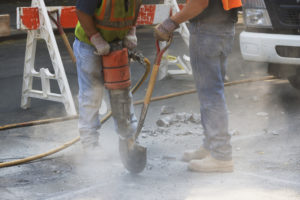
For example, consider receipt of a noise complaint from a resident in a neighboring community. The neighbor is bothered by early morning jack hammering from your construction site. If you ignore that complaint, your neighbor may get frustrated and get folks from his or her neighborhood to file a formal complaint with the local municipality, which could result in the city imposing new restrictions on working hours for your project. The resulting productivity impact and delays could be difficult to overcome. In contrast, if you talk with the neighbor and work out a solution such as rescheduling the noisy work for later in the day once he or she goes to work, you might only have to deal with a minor disruption to your work.
Put relevant parties on notice.
If you receive a complaint from a neighbor regarding anything going on at your construction site that could adversely affect the schedule or cost or result in liability to third parties, put the relevant parties on notice. If an owner-provided civil grading plan results in flooding and erosion into a parking lot of a nearby business, put the owner and AE on notice immediately upon learning of the issue. If a neighbor complains that his or her sidewalk or driveway was damaged by heavy equipment from your jobsite and you know that equipment likely belongs to a subcontractor, put your subcontractor on notice of the complaint. In the above examples, you should also consider putting your insurer on notice of any potential claim along with any subcontractor or owner insurers under whose policies you have been named an additional insured.
You never know when a minor concern might become more serious. If you haven’t notified the responsible party in advance and given them an opportunity to investigate or remedy the issue, that party may be able to shirk responsibility later on when the potential liability becomes greater.
If you decide to make a payment or otherwise remediate an issue, get a release.
In certain circumstances, it may be beneficial for you to go ahead and make a payment or remediate an issue with a neighbor to avoid escalating a dispute. For example, a neighboring resident complains that he got a flat tire from a pothole on the road adjacent to your jobsite, and he claims your trucks and other equipment caused the pothole. He’s threatening to sue and to report you to the city, county or state department of transportation. In that situation, you may decide it’s better to pay the neighbor some marginal sum to avoid a potential lawsuit.
When you make such a payment, be sure to get a complete release of past and future claims from the complainant. You do not want to find yourself dealing with a repeat customer who comes back a few weeks later with a different, potentially frivolous complaint or who now claims the initial damages are worse than originally anticipated (e.g., that flat tire has now become a broken axle). You may want to talk with a lawyer to help you draft some appropriate language for the release to make sure you are adequately protected.
The above tips are not comprehensive, and, as with any construction job, there are unique circumstances which may warrant or require a different approach. However, keeping these thoughts in mind and making sure your onsite project folks are educated on the same can help you avoid or reduce potential liability from a variety of offsite incidents.