Skip to content

Menu

LexBlog, Inc. logo
NetworkSub-MenuBrowse by SubjectBrowse by PublisherJoin the NetworkGet StartedSubscribeSupportContact
Search
Close

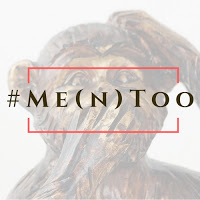
#Me(n)Too

By Jonathan Hyman on April 10, 2018
Email this postTweet this postLike this postShare this post on LinkedIn
01213561.jpg

According to the Washington Post, nearly one in five — about 17 percent — of harassment complaints filed with the EEOC come from men.

And many involve same-sex harassment.

Some examples:
  • Example 1: “A group of salesmen were subjected to severe and repeated sexual harassment by male managers. The unlawful conduct included the touching and grabbing of genitals, pelvic thrusting on the buttocks of male employees, exposing of a manager’s penis in the workplace, crude sexual language, crude sexual jokes, and referring to male employees in sexually obscene and derogatory terms.” Although the employer had an anti-harassment policy in place, the lawsuit alleged that “complaints by the salesmen went unheeded by management for nearly a year,” and “management generally dismissed the offensive conduct as ‘horseplay’ or ‘locker room antics.’”
  • Example 2: “A male floor supervisor made sexually charged insults and innuendos on a near-daily basis and also engaged in unwelcome grabbing, groping and humping the victims, attempting penetration of male employees’ buttocks with a broomstick, and kissing. Although members of management received numerous complaints from the employees about the harassment,” the employer “failed to take action to stop the harassment.”
  • Example 3: “A former lot manager … subject[ed] a class of men to egregious forms of sexual harassment, including shocking sexual comments, frequent solicitations for oral sex, and regular touching, grabbing, and biting of male workers on their buttocks and genitals.” The manager further retaliated against anyone who objected.
  • Example 4: “The head chef … frequently pinched or squeezed his subordinates’ private parts, flicked their genitals with his bare hands, and groped them from behind, [and] even used kitchen utensils from the restaurant to touch his victims’ genitals through their clothing.” Further, “several managers … knew what was happening well before formal charges were filed but did nothing to stop it.”
You should see a pattern developing. These cases all share two defining characteristics. Men exerting power over other men through sexually degrading misconduct, and the employer either not taking complaints seriously or not doing anything to stop the misconduct.

It’s been 20 years since the Supreme Court declared same-sex harassment unlawful under Title VII, yet the problem persists. According to the Washington Post article, the issue typically is not based in sexual desire but in power. It’s about domination and humiliation.

Just because the #MeToo movement is being driven by women does not mean that it excludes men.

Bottom line—no means no, no matter the gender of the victim or the perpetrator. And the sooner employers understand this point, the sooner they can implement steps to incorporate same-sex harassment into their anti-harassment policies and training, and move towards eliminating same-sex harassment from the workplace.

Photo of Jonathan Hyman Jonathan Hyman
Jon Hyman is a trusted advisor to small and mid-sized businesses across various industries, helping them solve workforce challenges and defend against legal disputes.
He is a shareholder at Wickens Herzer Panza in Avon, Ohio, where he chairs the firm’s Employment and Labor
…
Jon Hyman is a trusted advisor to small and mid-sized businesses across various industries, helping them solve workforce challenges and defend against legal disputes.
He is a shareholder at Wickens Herzer Panza in Avon, Ohio, where he chairs the firm’s Employment and Labor practice group and its Craft Beer practice group, and serves on the firm’s Board of Directors. Jon works closely with clients on all aspects of labor and employment law, providing proactive solutions to prevent issues and a strong defense in litigation when conflicts arise.
As outside in-house counsel, Jon is the go-to advisor businesses call when they need help with employee terminations, drafting policies, handling leave or accommodations, or navigating tricky internal complaints. He also brings deep expertise in areas like wage and hour compliance, workplace technology issues, and union avoidance. Jon builds lasting partnerships with his clients, understanding their unique challenges and helping them achieve long-term compliance and success
When it comes to litigation, Jon stands up for businesses in disputes over discrimination, harassment, wrongful discharge, non-competes, trade secrets, wage and hour issues, and union matters. Jon works with his clients to craft targeted defense strategies that protect their interests and aim for resolutions that support their broader business goals.
Jon also leads the firm’s Craft Beer practice, where he helps breweries, brewpubs, taprooms, and other craft beer businesses tackle their unique legal and regulatory needs.
Jon writes the award-winning Ohio Employer Law Blog, which the ABA Blawg Hall of Fame recognized for its daily insights on labor and employment law. His updates help his clients, HR professionals, and other business leaders stay ahead of labor and employment law changes that impact their daily operations.
Read more about Jonathan HymanEmailJonathan's Linkedin Profile
Show more Show less
  • Posted in:
    Employment & Labor
  • Organization:
    Meyers, Roman, Friedberg, & Lewis

Call us at 1-800-913-0988 or email sales@lexblog.com.

Facebook LinkedIn Twitter RSS
The Library at LexBlog
  • About LexBlog
  • The Field We Built
  • Library at LexBlog
  • Our Beliefs
  • Our Team
  • Contact LexBlog
  • Disclaimer
  • Editorial Policy
  • Terms of Service
  • Get Started
  • Publishing Solutions
  • Compass
  • Submit a Request
  • Support Center
  • System Status
Copyright © 2026, LexBlog, Inc. All Rights Reserved.
Law blog design & platform by LexBlog LexBlog Logo