

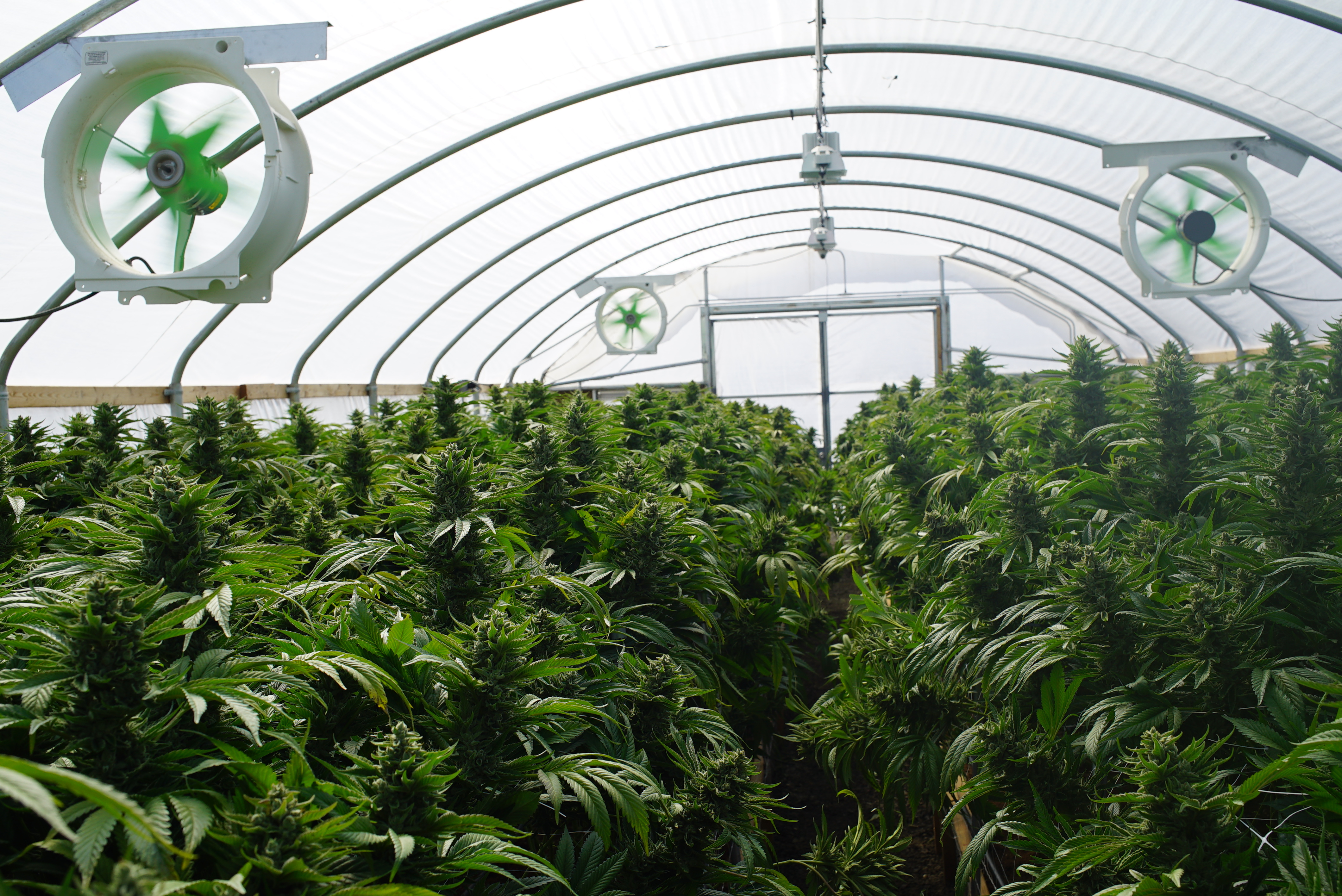
Trademark practitioners, hemp producers, and hemp-derived product manufacturers have long struggled with the clash of federal and state law regarding protection of trademarks with the United States Patent and Trademark Office (USPTO). Historically, the USPTO has refused registration of marks that include cannabis, hemp, CBD or derived products on the basis that these marks were unable to have lawful use in commerce under existing federal law. These waters became even murkier after the passage of the Agricultural Improvement Act of 2018 (known as the 2018 Farm Bill), which removed “hemp” from the list of controlled substances under the Controlled Substances Act (CSA). On May 2, 2019, the USPTO issued Examination Guide 1-19, outlining the USPTO’s policies with respect to trademarks including legal CBD and hemp-derived goods and services since passage of the 2018 Farm Bill. This appears to open the door for registration of marks that include legal CBD, hemp or hemp-derived products (such as hemp oil), or services such as the cultivation or production of hemp.
Hemp is currently defined as a cannabis sativa plant, and any part or derivative thereof, which contains no more than 0.3% THC concentration on a dry weight basis. By removing hemp from the CSA, the USPTO is no longer able to refuse application for legal CBD and hemp-derived products that meet this definition on the basis of “non-lawful use in commerce.” The caveat, of course, is that the goods or services included in these applications must be derived from hemp as defined in the 2018 Farm Bill and the Agricultural Marketing Act (AMA). Goods derived from cannabis that exceed 0.3% THC concentration remain illegal under federal law, and are not registerable with the USPTO.
For applications filed prior to December 20, 2018 that include hemp and hemp-derived products, applicants will be given the opportunity to amend the application to comply with these new policies. This includes amending the filing date (which cannot pre-date December 20, 2018) and filing basis of the application, or withdrawing the current application and re-filing for compliant goods and services. The application’s recitation of goods and services must also be amended to specify that the goods included in the application contain less than 0.3% THC, limiting the scope of a resulting registration to only those goods or services compliant with federal law. Examiners will also conduct a new search of the amended application for conflicting marks based on the new application date.
It is important to note that “even if the identified goods are legal under the CSA, not all goods for CBD or hemp-derived products are lawful following the 2018 Farm Bill.” This specifically refers to products which may separately fall under the Federal Food Drug and Cosmetic Act (FDCA), such as CBD or hemp-infused edible products and dietary supplements.
For applications filed prior to December 20, 2018 that include hemp cultivation or production services, applicants will need to provide Trademark Examiners with additional information to ensure that its production meets the requirements of the 2018 Farm Bill. Hemp producers will need to ensure that its production operation is compliant with both the Farm Bill, but also with local governments, which were empowered with the authority to license or authorize hemp production in accordance with the United States Department of Agriculture (USDA).
Husch Blackwell has experience prosecuting federal and state trademark applications covering cannabis and cannabis-derived products and services. Our cannabis and intellectual property attorneys are available to discuss the recent Examination Guide and strategies for protecting cannabis and cannabis-related marks on both the federal and state level. Contact Kris Kappel, Tara Allstun or your Husch Blackwell attorney.
Examination Guide 1-19 is available on the USPTO website.