


New pathways to mentoring
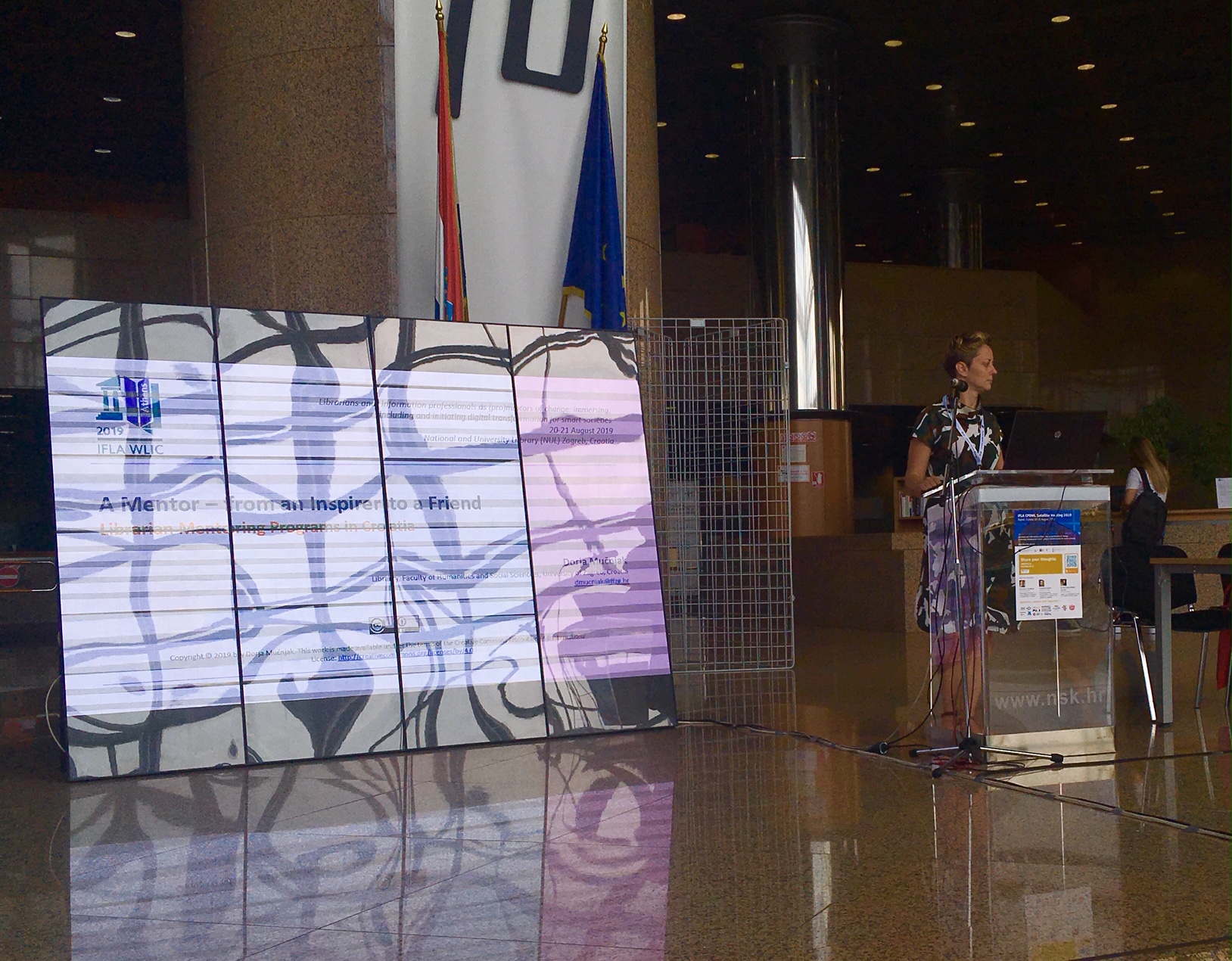
This flexibility and creative approach meant I was suddenly on familiar territory. Given my own mentoring experience which dried up after my work experience post, the internet has made anything possible. The advent of social media, participating in professional discussion groups, being involved with online communities of practice, and library blogging etc., have been essential in providing alternative forms of mentoring.
Dorja confirmed what we already know; there is no consensus about which type is most effective. We also know that there are gaps in professional development mentoring in certain information settings – she didn’t mention information people working out of Croatian companies, for instance. However information people are resourceful types. Like any kind of CPD, if something doesn’t exist, then it is our responsibility to go out and create opportunities.
Just as the Italians did…
MOOCs and professional validation: The Italian experience
Arguably MOOCs have revolutionised distance learning. They have been used by the library community as an education opportunity to reach a wider, geographically dispersed audience. The session ‘MOOC for professional development: an effective low cost experience’ looked at how online learning was implemented for the benefit of members of the Italian Library Association.
Although MOOCs address more general CPD requirements, the AIB needed something specific to meet their requirements. The AIB is subject to new regulations that require all qualified librarians to undertake validation, so a course tailored to specific needs seemed the logical course of action. The MOOC wasn’t all plain sailing and there were a number of issues to address, including cost and user needs.
- Cost was a big consideration. To assist with this they required their 100 candidates to pay for the course. Given all lectures, assessment etc. was online there was no tutor/candidate travel so cost was minimised. They were able to keep fees relatively low because of existing AIB organisational and technological infrastructure.
- A VLE was already in place. Even if candidates hadn’t used Moodle personally, they were familiar with it on the AIB website. Any tech issues regarding access, stability etc. had already been ironed out so this saved time and money.
- Availability of expert tutors. Many of the people willing to teach had been involved in the drafting of the new regulations. They also had a dedicated course director who was central to the success of the MOOC.
- User needs. Some people struggled with the tech but tutors offered inductions and were on hand to assist throughout. The clear assessment criteria with well-publicised deadlines assisted in peoples’ ability to manage their time. The VLE facilitated access to a library of materials, including videos and a user discussion forum.
The organisers of this MOOCs were often more than just course tutors, and were able to offer candidates career insights. As we learnt, mentoring is more than a mentor sharing knowledge with a mentee. Co-mentoring, mentoring-up, communities of practice, and discussion forums are all valuable in the mentoring process.
In the library world, it is possible to get so involved in your own job, your own immediate sector, and even in how your national library association is organised, that you neglect to look beyond your bubble. This conference was a timely reminder to look at how unique we all are and how we can all learn from each other. Now that is the type of mentoring I can support! Also…where’s that MOOC list?