


Moms often are in charge of food safety in the home. Make sure to thank them this year by practicing good food safety for them. This is even more important for those of us giving gifts to expecting, elderly, or ailing mothers.
Pre-cut fruit gifts are potentially dangerous
There are some Mother’s Day gifts that come with a higher risk of harmful bacteria — edible arrangements, fruit bouquets, pre-cut fruit baskets, and gourmet drizzled strawberries all come with a higher risk of food poisoning.
The Food and Drug Administration says that fresh-cut produce has an increased risk of bacterial growth and contamination. The inside of produce provides a nutritious medium that allows bacteria to survive. The potential for pathogens to grow is increased by the high moisture and nutrient content of fresh-cut fruits and vegetables. There is also the absence of a lethal process during production to eliminate pathogens. Storage, transport, and retail display are all factors that could impact the safety of pre-cut produce.
Though pre-cut fruit basket, bouquets and other gifts are beautiful and tasty, it probably isn’t worth the risk for certain moms.
Cooking for mom this Mother’s Day?
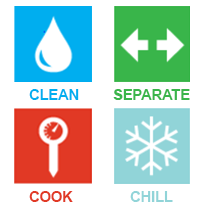
Clean: Wash your hands with warm water and soap for 20 seconds throughout the cooking process, especially before handling food and after handling raw meat and poultry. This is one of the simplest and most effective ways to prevent the spread ofbacteria. Wash cutting boards, dishes, utensils and countertops with hot, soapy water after preparing each food item and before you go on to the next item. Wash vegetables and fruits, but not the meat. Washing raw meat and poultry can actually help bacteria spread because their juices (and any bacteria those juices might contain) could splash onto your sink and countertops.
Separate: Always separate raw meat from ready-to-eat foods. By using separate cutting boards, plates, and utensils when preparing and serving food, you can also help you to avoid cross-contamination.
Cook: Cooked food is safe only after it’s been cooked to a high enough temperature to kill harmful bacteria. Use a meat thermometer on meat to make sure it reaches a minimum internal temperature of 165 degrees F.
Chill: Refrigerate any leftovers within two hours to slow the growth of bacteria. Store your leftovers in shallow containers. Leftovers in the fridge are safe to eat for three or four days and can be frozen during that time for longer storage.
Muffins, bread or cookies make for a great Mother’s Day treats
As tempting as it may be, eating raw dough could make you very sick. When handling dough, keep these safety tips in mind:
Do not eat any raw cookie dough or any other raw dough product that’s supposed to be cooked or baked.

Follow package directions for cooking at proper temperatures and for specified times.
Wash hands, work surfaces, and utensils thoroughly after contact with raw dough products.
Keep raw foods separate from other foods while preparing them to prevent any contamination that might be present from spreading.
Follow label directions to chill products promptly after purchase and after using them.
(To sign up for a free subscription to Food Safety News, click here.)