

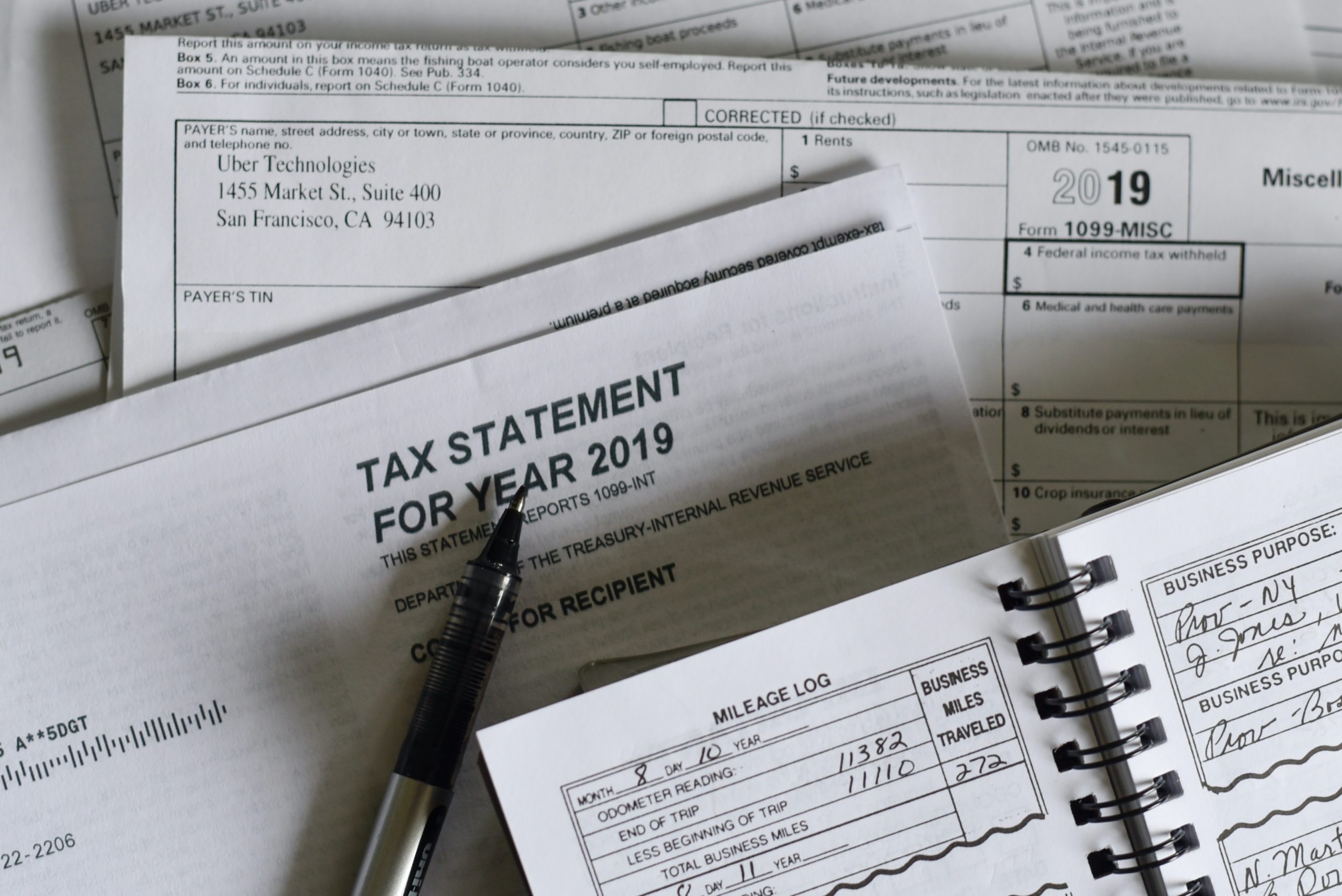
AB 2570 (Stone, D-Sta. Cruz) would amend the False Claims Act (FCA) to allow private litigants to enforce fraudulent underpayment of State personal and corporate income taxes and, of interest to local government, sales and use taxes and transactions and use taxes (i.e., local-option sales taxes), too. The FCA allows a private litigant to identify fraud against government, perhaps with the help of a whistle blower, to file a lawsuit the tax prosecuting authority must then investigate and, if the prosecutor does not pursue the case, the private litigant can. If so, the private litigant is entitled to 15 to 33 percent of the recovery. In effect, this is a “bounty hunter” or “private attorney general” statute for fraud against government.
The FCA does not presently extend to tax fraud; this bill would change that. It is quite like last year’s AB 1270, also carried by Assemblyman Stone, which died in Senate Appropriations last August after proceeding through the Assembly and committees in the Senate on party-line votes. It is sponsored by Attorney General Becerra and supported by the California District Attorneys Association, the California State Association of Counties, the League of California Cities, and the California Special Districts Association. Labor and the plaintiffs’ bar support it, too. Opposed are a long list of business interests, led by the California Chamber of Commerce and the Civil Justice Association of California, a business-affiliated group which advocates against what it sees as abusive lawsuits.
The bill was approved by the Assembly Judiciary Committee (which Assemblyman Stone chairs) on a party-line vote on May 5th and is now pending in the Assembly Appropriations Committee. The Judiciary Committee’s analysis is here. If approved, the bill would apply to tax returns filed on or after its January 1, 2021 effective date.
The bill promises to aid enforcement of state and local sales and use taxes by encouraging private whistle blowers and the plaintiffs’ bar to investigate and report such claims. Private demand letters are forbidden (unlike statutes forbidding discrimination against the disabled, which have led to claims of abuse). A case is initiated by filing a lawsuit under seal (i.e., without making it public) and serving it on the Attorney General who must investigate the claim or, if it involves only local funds, refer it to the local agency’s prosecutor (i.e., the County Counsel or City Attorney) who must investigate it. Government can pursue the claim and retain a third of any recovery for the prosecutor’s future efforts. If it elects not to, the private litigant may pursue it. In addition to a share of the recovery, private litigants are entitled to attorney’s fees.
Business interests oppose the bill, arguing it will encourage abusive litigation and expose companies to “double jeopardy” in the form of tax audits and litigation. The bill addresses these concerns, in its sponsors’ view, by limiting suit to claims involving $200,000 or more in tax unpaid by those with income or gross sales of $500,000 or more and requiring filing under seal and investigation by the Attorney General or a local agency’s counsel before a private suit may proceed.
The bill is largely identical to last year’s AB 1270, but it does define local prosecutors as those who hold the title “county counsel,” “city attorney,” etc. Local governments may not employ other counsel for this work, presumably to avoid contingency relationships which might lead to abusive litigation, a concern the California Supreme Court addressed in a 2010 case Santa Clara County and other local governments brought, using contingency counsel, against producers of gasoline and other lead-containing products for the environmental and health consequences of those products: County of Santa Clara v. Superior Court (Atlantic Richfield Corp.).
Local governments support the bill because they expect it to lead to enhanced tax collection.
It is not clear how much legislation will make it to the Governor’s desk this year, given the COVID-19-shortened legislation session, the budget crisis, and the Legislature’s resulting need to focus on what’s essential. Perhaps for this reason, the committee analysis argues enhanced tax collection is especially appropriate now, given the impact of the epidemic on state and local budgets. Those interested can subscribe to updates on the bill’s progress here.