

If you were on the Internet in May 1998, you were probably on an IBM-compatible PC, running Microsoft Corporation’s Windows 95 operating system and surfing the web using Internet Explorer, which was also a Microsoft product. And, in May 1998, Public Enemy Number One was the bootlegger, rumrunner, racketeer and boss of the Chicago Outfit bespectacled co-founder of Microsoft, Bill Gates. In May 1998, the United States Department of Justice, along with the Attorneys General of 20 states, filed an antitrust action against Microsoft, seeking a breakup of the company. The government’s main gripe? Microsoft included a copy of its Internet Explorer software with every copy of its popular Windows operating system and incentivized manufacturers to include Internet Explorer on their computers. The government’s case against Microsoft went to trial and the government prevailed. On June 7, 2000, in order to remedy the supposed antitrust violation, the trial judge ordered Microsoft to be broken up.

From those halcyon days when 56,000 baud was a lightning fast connection.
Microsoft, of course, was never broken up. The order was overturned by the Court of Appeals and, in November 2001, the Justice Department entered into a settlement with Microsoft whereby Microsoft largely continued the same business practices that it had always done. Victory, it seems, had been assured. But for who?
Although Internet Explorer was on the top of the heap in May 1998, that wasn’t always the case and wouldn’t be true in the near future, either. Two years earlier, in 1996, Netscape’s Navigator software commanded over 80% of the market for Internet browsers. The World Wide Web was written specifically for Netscape and many websites could not be properly loaded on other browsers, and Netscape charged customers nearly $50 for its web browser ($83 in 2020 dollars).[1] Microsoft’s vision to attack Netscape’s dominance was to bundle its Internet Explorer software—for free—with its immensely popular Windows operating system. This strategy worked so well that it not only prompted an antitrust lawsuit from the Justice Department, it permanently altered the market for web browsers, which are still given away for free.
In May 1998, Google did not exist. The company would not be founded until September of 1998 and its Chrome browser would not be released for another ten years. At the time Chrome was released, Internet Explorer commanded a market share of approximately 60%.[2] Alas, the invisible hand is unforgiving and Microsoft’s dominance did not last. By January 2013, Google’s Chrome had exceeded Internet Explorer in market share. Today, Microsoft’s Edge and IE browsers combine for approximately 5% of the total market.
It is hard to overstate the importance that Microsoft had on personal computers and, by extension, our lives today. Before Windows was released, the market for home-based IBM-compatible personal computers was largely hobbyists or technical users, who interacted with the computer through MS-DOS, which was short for Microsoft Disk Operating System and looked like this:

Don’t forget to format your floppy disk!
Microsoft’s success with the Windows operating system was largely based on building an intuitive system that appealed to users beyond computer enthusiasts. Everyone—even people with little familiarity with computers—could use Microsoft Windows. In the process, Microsoft help create an America in which many ordinary people have a personal computer in their home.
By that same token, it’s also hard to overstate Google’s impact on the Internet and our lives. Google created a search engine that, using natural language, returned relevant results in the blink of an eye, for free. No company had ever before had been able to do this, and it revolutionized the Internet. Google would go on to do the same thing with countless other products, including email, word processing, maps, and, of course, Chrome.
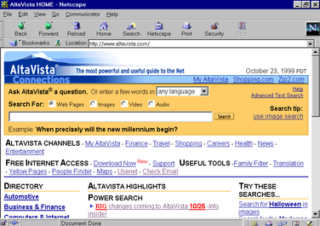
Did we ever figure out when the new millennium began? I vote for 2001.
In 2020, the government’s ill-advised antitrust suit against Google echoes the Microsoft case of twenty years ago. Now, Google’s Chrome is the dominant web browser and uses Google’s search engine as a default. Google has also, supposedly, entered into agreements with other companies to make Google the default search engine on other browsers and devices. Even if that is true, the government’s case, however, suffers from the same fundamental flaw: the bureaucrats tasked with enforcing the antitrust laws are driven by politics, not sound judgment, and they lack the faith that the market will, over time, rewards the best companies creating the best products. Companies and products come and go. The history of the Internet is littered with the corpses of dominant companies, including Netscape. In 2008, the same year that Google introduced its Chrome browser, Netscape discontinued support for Navigator.
It was the market, not the government, that dethroned Internet Explorer. Though it may be hard to imagine now, Google will eventually succumb to the same fate. The government’s interference in one of the few remaining free markets will do nothing but hurt consumers through higher prices and worse products.
[1] https://www.fastcompany.com/27743/nothing-netscape.
[2] As measured by W3 Counter, which counts page views from over 80,000 websites.