

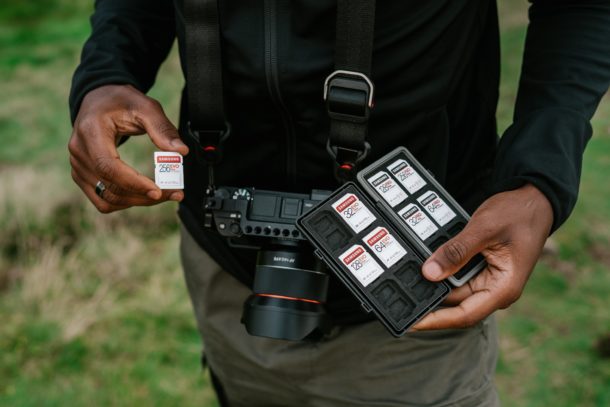
 With the development of science and technology, cameras or mobile phones are now having various built-in shooting modes or parameters to facilitate photographers to quickly shoot assorted scenes or atmospheres, which is quite different from the traditional way that photographers need to adjust various parameters by themselves. Regarding whether the photographic works taken using the built-in shooting modes or parameters of the camera or mobile phone meets the requirements of the Copyright Act for “creativeness (originality)”, the Intellectual Property Court adopted positive opinions both in the Min-Zhu-Shang-Zi No. 2 Judgment rendered on October 22, 2020, and the Min-Zhu-Shang-Yi-Zi No. 15 Judgment on October 29, 2020.
In the Min-Zhu-Shang-Zi No. 2 Judgment, the Intellectual Property Court clearly stated that “To evaluate whether a photographic work is of “creativeness”, one can no longer judge based on the adjustments of ‘aperture, shutter, depth of field and amount of light” and other photographic techniques performed in the manner that a traditional photographer would do. Instead, as long as the choice of shooting theme and shooting subject and the adjustment of shooting angle and composition in accordance with the original concept in the photographer’s mind during the creative process objectively shows the thoughts and feelings of the creator, the copyright protection should be granted.” The Intellectual Property Court further stated in the Min-Zhu-Shang-Yi-Zi No. 15 Judgment, “The so-called ‘photographic works’ refer to the works that express thoughts and feelings through images including photographs, slides and other works created by photographic methods. Therefore, even though photographic work can be completed by means of mechanical and electronic devices via the physical and chemical effects of light to reproduce the photographic images on negatives, films, discs, or paper, such a work is not simply a mechanical representation of a subject. During the process, the photographer arranges the position of the subject and utilizes various photography techniques to determine factors such as the view, depth of field, amount of light, shooting angle, shutter or focal length in accordance with the concept in the creator’s mind. All these efforts show the photographer’s originality and the protection of copyright should then be granted under the Copyright Act…(omitted)…no matter whether it is automatically set or not.” In other words, as long as the photographer has a certain concept about the photographic work, no matter whether it uses the built-in shooting modes or parameters, it is regarded as an original (creative) work and protected by the Copyright Act.
In addition, it is worth noting that, in Min-Zhu-Shang-Yi-Zi No. 15 Judgment rendered by the Intellectual Property Court, the defendant defended having obtained a legal license of the photographic work from the third party, and presented the letter of license as evidence. However, the court held that the letter of license only records the “right to use the product image” without recording which image is licensed, nor did the defendant prove that the reproduced photo file actually came from the third person either. The court then recognized that defendant’s act still constitutes infringement. Consequently, the letter of license should clearly record the licensing subject as far as possible so as to reduce the risk of infringement recognized by the court in the future.