

 Global environmental crime—the third largest illicit activity in the world, according to a report by the FATF—is estimated to generate hundreds of billions in illicit proceeds annually. This criminal activity harms human health, the climate, and natural resources. To help address the threat presented by environmental crimes, the Financial Crimes Enforcement Network (FinCEN) issued an environmental crimes and associated illicit financial activity notice (Notice) on November 18, 2021. The FinCEN Notice states that environmental crime and related illicit financial activity are associated strongly with corruption and transnational criminal organizations, both of which FinCEN has identified as national anti-money laundering and countering the financing of terrorism (AML/CFT) priorities for financial institutions to detect and report.
We have blogged with increasing frequency (see here, here, here and here) on the nexus between environmental crime and illicit financial flows, and how these money laundering risks are often overlooked and are especially difficult for financial institutions to monitor. Environmental offenses are also receiving more attention in the U.S., in part because of the growing interest by investors, companies and regulators in ESG (Environmental, Social and Governance) concerns.
The Notice includes an appendix that describes five categories of environmental crimes and the illicit financial activity related to them: wildlife trafficking, illegal logging, illegal fishing, illegal mining, and waste and hazardous substances trafficking. The Notice also includes new suspicious activity report (SAR) filing instructions in order to enhance analysis and reporting of illicit financial flows related to environmental crime.
The Appendix
Referring to the five categories of environmental crimes described in its appendix, the Notice acknowledges the historic problems with enforcement in this area – problems which stem in part from the fact that environmental crime often involves transnational activity and therefore benefits from a lack of solid international cooperation between law enforcement agencies and regulators:
These crimes are relatively low-risk activities with high rewards because enforcement efforts are limited, demand for the products and services generated by these crimes is high, and criminal penalties are not as severe as for other illicit activities. Environmental crimes frequently involve transnational organized crime and corruption and are often associated with a variety of other crimes including money laundering, bribery, theft, forgery, tax evasion, fraud, human trafficking, and drug trafficking.
The appendix provides details and statistics for each of the five categories, presumably in order to assist financial institutions in attempting to understand, detect and report such activity. For example, the appendix observes that the illegal wildlife trade uses many of the same routes and methods used by drug traffickers, and that traffickers “are increasingly turning to social media platforms to advertise, sell and otherwise engage” in illegal wildlife trading. Illegal logging “is commingled with legal trade” and therefore “may involve corporate structures, the use of shell companies in various jurisdictions, and movement of proceeds in the international financial system.” Likewise, illegal mining is “often commingled with legal trade and may involve corporate structures and shell companies in various jurisdictions,” and “provides illicit actors both a source of proceeds as well as a means to launder proceeds from other crimes.”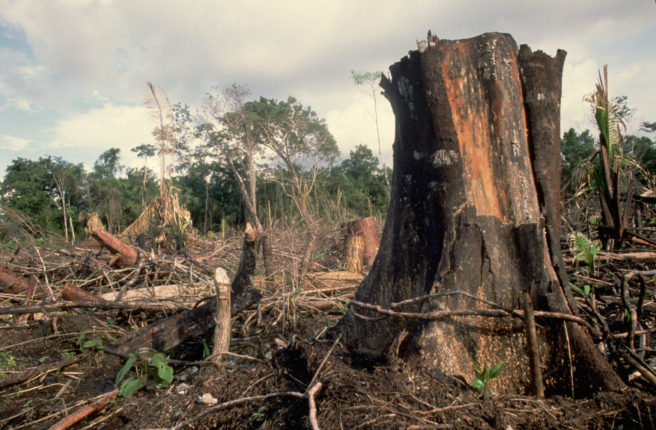
SAR Filing Instructions
The Notice provides the following instructions for SAR filings:
- In SAR field 2 (Filing Institution Note to FinCEN), use keyword “FIN-2021-NTC4” to describe a connection between the suspicious activity being reported and the activities highlighted in the Notice;
- Financial institutions should also select SAR field 38(z) (Other Suspicious Activities – other) to indicate a connection between the suspicious activity being reported and environmental crimes; and
- For the purpose of identifying and reporting illicit activity, financial institutions should consider sharing information on suspected environmental crimes under Section 314(b) of the Patriot Act.
FinCEN also requests that filers describe how the suspicious activity relates to the environmental crimes listed in the appendix. FinCEN wants to know details including:
- How the illicit product, plant, or waste was solicited, acquired, stored, transported, financed, and paid for;
- The names, identifiers, and contact information of actual purchasers, sellers, and their intermediaries or agents;
- The volume and dollar amount of the transactions involving an entity that may be functioning as a supplier of illicit products, plants, waste or waste services;
- Any beneficial owner(s) of involved entities; and
- For illicit waste, specific descriptions of the waste product and any known details about its origin, transport, and destination, and information about the place(s) where the reported individuals or entities are operating.
If you would like to remain updated on these issues, please click here to subscribe to Money Laundering Watch. Please click here to find out about Ballard Spahr’s Anti-Money Laundering Team.