

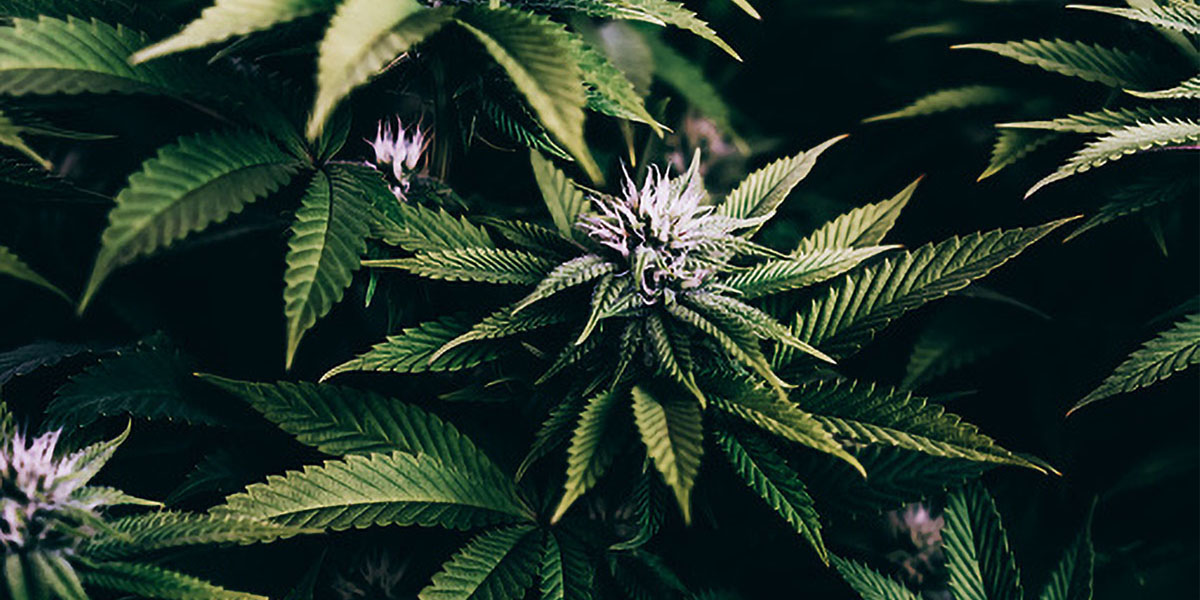
It was the best of times… the passage of the Virginia Cannabis Control Act (CCA) in 2021 was celebrated by many as the first bill in the South to legalize adult-use cannabis (read about the status of cannabis programs in other Southern states here). It was also heralded as the success of a Democrat-controlled legislature and of outgoing Democratic Governor Ralph Northam. Few people understood, however, that many portions of the CCA required ratification by the 2022 Virginia General Assembly, which ushered in a Republican majority in the state’s House of Delegates and a Republican governor. This new General Assembly failed to reenact any portion of the CCA during its 2022 session. Although it seems likely that Virginia will move forward with an adult-use cannabis program at some point in the future, we no longer know when that will occur or what the program will look like. This post explores which provisions of the CCA are defunct and which have become valid law.
Enacted on April 7, 2021 (2020 Va. SB 1406), the CCA created the framework for the cultivation, manufacturing, distribution, testing, and retail sale of adult-use cannabis in Virginia. The CCA would have provided for licenses for 400 dispensaries, 450 cultivators, 60 manufacturers, and 25 wholesalers, all licensed and regulated by a newly created Cannabis Control Authority (Authority). Priority would have been given to license applications submitted by qualified social equity applicants, with the criteria for being a social equity applicant clearly defined. Cities, counties, and towns could have opted to prohibit dispensaries in their jurisdiction, but only by sending a referendum to their voters by a certain time. It also provided for the development of a social equity program, reinvestment of cannabis revenues into marginalized communities, and reformed criminal penalties for cannabis possession and cannabis-related crimes for adults and minors.
The bill itself was 283 pages long and contained 26 separate enactments. Perhaps as a compromise to encourage its passage, the bill included a provision found in Enactment 7 that stated that certain portions of the CCA “shall not become effective unless reenacted by the 2022 Session of the General Assembly.” The General Assembly, however, wrapped up its 2022 session without reenacting any portion of the CCA, despite almost 40 cannabis-related bills being introduced. As a result, many of the provisions that created the structure for Virginia’s adult-use cannabis program, and the framework for regulations to be issued by the Authority, are no longer effective. Agencies tasked with moving the program forward are currently putting their efforts on hold until more clarity is provided, hopefully in the 2023 legislative session.
Nonetheless, while the majority of the business-oriented provisions of the CCA required reenactment, other provisions did not require reenactment and are currently effective. These provisions include:
- Creating the Virginia Cannabis Control Authority, which oversees the state’s cannabis program and is still actively meeting;
- Creating the Cannabis Equity Reinvestment Board, tasked with “address[ing] the impact of economic disinvestment, violence, and historical overuse of criminal justice responses to community and individual needs by providing resources to support local design and control of community-based responses to such impacts.” The board will award scholarships and grants, as well as administer the Cannabis Equity Reinvestment Fund to further this purpose;
- Creating the Cannabis Equity Reinvestment Fund;
- Legalizing the possession of one ounce or less of marijuana by those older than 21;
- Legalizing home cultivation of up to four cannabis plants per household for personal use, plus provisions allowing adults to share up to an ounce of marijuana between each other;
- Provisions prohibiting law enforcement officers from searching or seizing any person, place, or thing solely because they smell marijuana, except in airports or in a commercial motor vehicle; and
- Automatically expunging former marijuana offenses.
As can be seen, the CCA provisions that have become law have done a lot to transform Virginia’s policies toward adult-use cannabis. Virginia’s 2022 – 2024 budget bill, HB 30, amended some of the above provisions and created labeling requirements for industrial hemp products that contain hemp-derived THC, but did not address commercial sales of adult-use cannabis (see Item 4-14 #5c).
Hopeful cannabis business owners in Virginia must wait and see what, if anything, the General Assembly enacts in 2023. Representatives in Virginia’s General Assembly may use the 2021 CCA version as a model or may start drafting a new statute entirely from scratch. They could enact a more conservative program with a tighter limit on licenses, or a more liberal program with no limit on licenses or vertical integration. They could, as some other states have been doing, simply allow Virginia’s few existing medical cannabis dispensaries to begin recreational sales until regulations for additional licenses are finalized. As of now, it is unclear whether the General Assembly will even stick to the original timeline of adult-use sales beginning January 1, 2024. Much more remains to be revealed about how the state will approach adult-use licensing and whether it will even retain its title as the first adult-use state in the South.
Our Cannabis Practice provides advice on issues related to applicable federal and state law. Marijuana remains an illegal controlled substance under federal law.